The line between beer and medicine is blurring. And I mean that in the best possible way.
For centuries, brewers infused their ales with whatever plants grew nearby—not just for flavour, but for their properties. Monks brewed with medicinal herbs. Medieval breweries kept gruit blends as closely guarded secrets. Beer wasn’t just sustenance; it was functional.
In 2026, that wisdom is returning—wrapped in science. Adaptogenic ales are the fastest-growing segment in craft brewing, and homebrewers are finally catching up. I’ve spent the last three months experimenting with functional mushrooms, ashwagandha, and adaptogenic botanicals in my brews. The results? Genuinely compelling. This is my honest guide to brewing wellness-focused adaptogenic ales at home.
Why Adaptogenic Ale Matters in 2026
Let me be clear: I’m not claiming beer is medicine. But adaptogens—those plants that help your body manage stress—have been studied rigorously. Reishi mushroom reduces cortisol. Ashwagandha improves sleep quality. Lemon balm calms anxiety. Individually, they’re well-researched. In beer? That’s the frontier.
Commercial brands like IMPOSSIBREW and Collider have proven the market exists. But why buy when you can brew? Homebrewing adaptogenic ale gives you control over ingredient quality, strength, and flavour profile. You’re not paying a premium for someone else’s brand. You’re not stuck with a single recipe.
The trend coincides with something bigger: younger drinkers—especially in the UK—are drinking less, but drinking better. Functional beverages are outpacing traditional craft beer. Wellness isn’t a fad anymore; it’s how people think about consumption. A beer that tastes good AND supports sleep quality? That’s the future.
Ingredients & Equipment for Adaptogenic Ales
Here’s the practical part. You don’t need new equipment. Your existing brewing setup handles adaptogenic ales just fine. But ingredient sourcing matters—a lot.
Adaptogenic & Herbal Ingredients
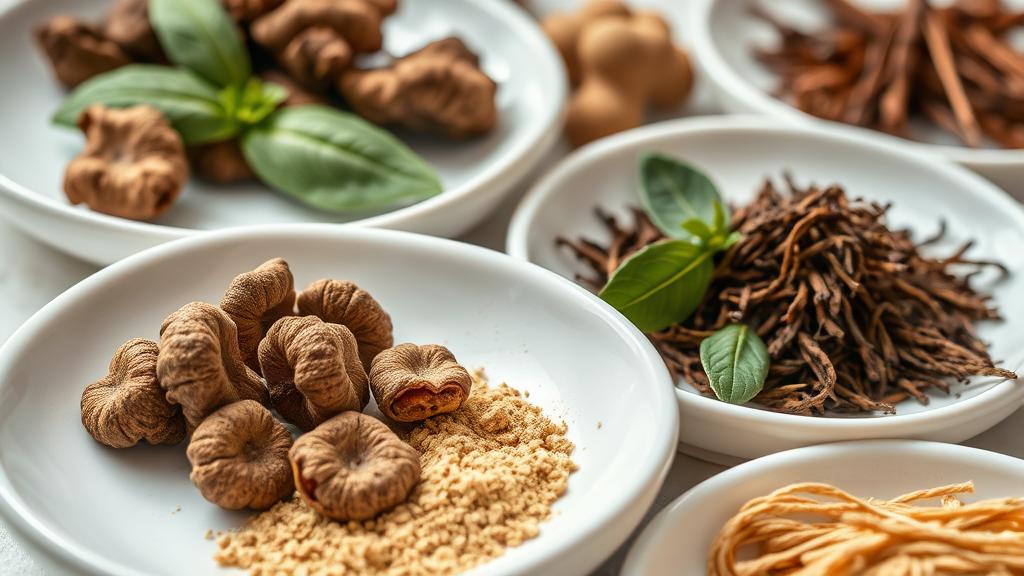
- Reishi mushroom (dried caps): 5–15g per 20L (5 gallon) batch. Earthy, slightly bitter. Add in the last 10 minutes of the boil or in secondary fermentation. I prefer secondary—it preserves the delicate beta-glucans.
- Ashwagandha root (dried): 8–12g per 20L. Slightly spicy, grounding character. Add in final 5 minutes of boil. Avoid overheating—you want those alkaloids intact.
- Lemon balm (dried leaf): 10–20g per 20L. Bright, citrusy. Add in whirlpool (after heat off, while wort is still hot) for maximum aroma preservation.
- Lion’s mane mushroom (dried, ground): 3–8g per 20L. Slightly sweet, umami undertone. Excellent for body and mouthfeel. Add in secondary if you want subtlety; boil if you want more integration.
- Rhodiola rosea (dried root): 5–10g per 20L. Floral, slightly peppery. A smaller player, but excellent for complexity. Add in final 5 minutes.
Where to source: The Malt Miller stocks some adaptogenic blends, but for pure ingredients, you’ll want specialist suppliers like Neals Yard, Pukka Herbs (wholesale available), or dedicated mushroom foragers online. Quality matters enormously. Organic, pesticide-free reishi costs more—but the difference in flavour is tangible.
Base Malt & Complementary Grains
Adaptogenic ales work best as blonde or amber ales—something that gives you a clean, slightly sweet base to showcase the botanicals. Think:
- Pale 2-Row or Maris Otter: 60–70% of grist
- Munich or Vienna malt: 15–25% (adds body, supports earthy adaptogens)
- Crystal 40–60L: 5–10% (subtle sweetness, mouthfeel)
- Wheat malt or rolled oats: 5–10% (optional; adds silk to the finish, lets herbals shine)
Hops & Yeast
Restraint here. You’re not brewing an IPA. Low, noble hopping (15–20 IBUs) lets the adaptogens speak. I favour:
- Hallertau or Tettnang (30–40g at 60 min) for clean, herbal bitterness
- Saaz (20–30g at 5 min) for subtle spice that complements the botanicals
For yeast, clean ales handle adaptogens beautifully. I use SafAle US-05 or Nottingham—they’re forgiving, reliable, and don’t compete flavour-wise. If you’re feeling adventurous, Kveik strains like Voss work brilliantly and finish in 4–5 days, letting you bottle sooner (important for aroma preservation).
Step-by-Step: Brewing Your First Adaptogenic Ale
This is my current recipe, scaled for a 20L (5 US gallon) batch. Adjust to your system’s efficiency.
The Recipe: Wellness Blonde Ale
- 2.0kg Maris Otter
- 0.5kg Munich malt
- 0.3kg Crystal 60L
- 0.25kg rolled oats
- 40g Hallertau (60 min)
- 25g Saaz (5 min)
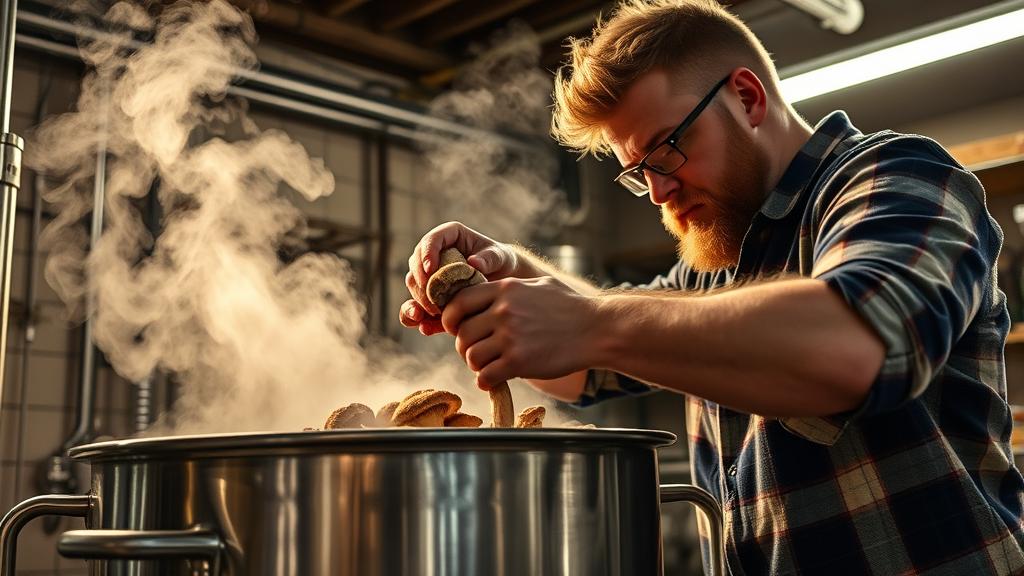
- 10g dried reishi (final 5 min)
- 10g dried ashwagandha (final 5 min)
- 12g dried lemon balm (whirlpool)
- 5g lion’s mane powder (secondary, day 7)
- 1 packet SafAle US-05
- Target: 18L finished beer, 5.2% ABV, 22 IBU
The Process
Mash: Single infusion at 66°C (151°F) for 60 minutes. Adaptogenic compounds survive this temperature just fine, but keep notes if you decoct—decoction mashing can emphasise earthiness, which works here.
Sparge & Boil: Standard procedure. When you reach the whirlpool, turn off heat, let the wort settle for 5 minutes, then add your lemon balm and any delicate flowers. Let them steep for 10 minutes. The residual heat extracts colour and volatile aromatics without destroying them.
Critical step: Cool to 20°C (68°F) quickly. Aeriate well—adaptogens don’t require special treatment, but yeast health does. Pitch US-05 at the target temperature and let it run at ambient room temperature.
Secondary addition (day 7): After primary fermentation slows (gravity stable for 48 hours), add your lion’s mane powder (or other secondary mushrooms) directly to the carboy. It’ll settle and integrate over 10–14 days. This preserves delicate compounds that would be lost in the boil.
Carbonation & Bottling: Standard bottle-conditioning at 2.5 volumes of CO₂. Bottle conditioning at 15–18°C (59–64°F) lets secondary fermentation happen gently, preserving those adaptogenic notes better than force-carbonation does.

Fermentation & Conditioning
Adaptogenic ales need time. Don’t rush this.
Primary fermentation takes 10–14 days at room temperature. After transfer to secondary (if you do it), condition for 14–21 days. Bottle-conditioning adds another 10–14 days before the beer is fully carbonated and balanced.
From brew day to first taste: 5–6 weeks minimum. I know, it’s tempting to crack open a bottle at week 3. Don’t. The adaptogens are still integrating. At week 6, they’ve softened and woven themselves into the fabric of the beer. That’s when you’ll notice the magic.
Storage matters. Adaptogens degrade under UV light faster than regular beer compounds. Store in a dark place, cool (10–15°C / 50–59°F if possible). They’ll hold for 4–6 months if kept right, longer if kegged and purged with CO₂.
The science here overlaps with functional fermentation and probiotics. You’re not just preserving compounds; you’re creating an environment where beneficial compounds thrive.
Tasting Notes & My Honest Review
I’ve brewed four batches now. The most recent—bottled three weeks ago—is the one I’m genuinely proud of.
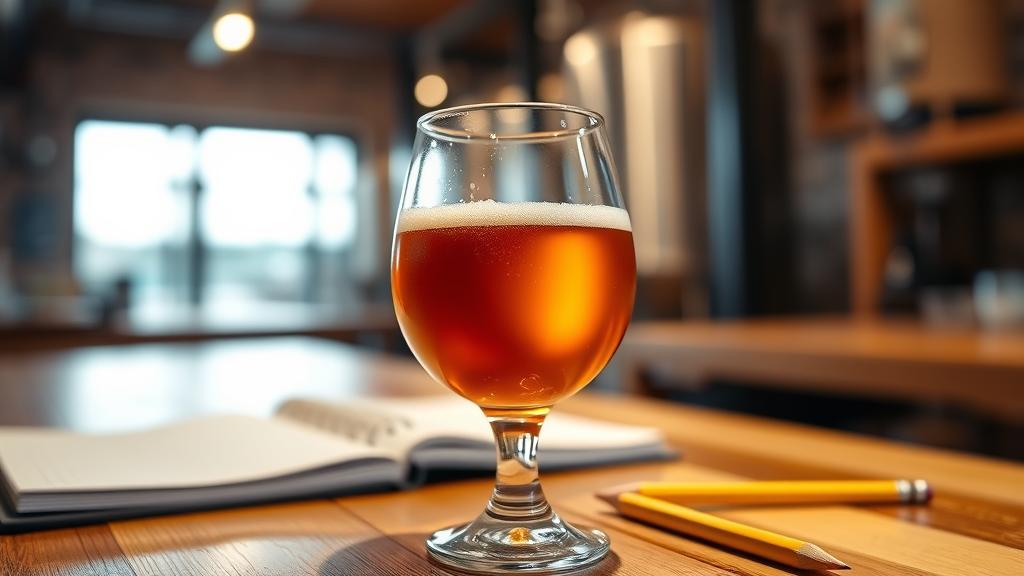
Appearance: Golden amber, 1.5cm white head, slight cloudiness (expected with secondary botanicals). Crystal clear if filtered, but I don’t recommend it—you lose body.
Nose: This is where adaptogens shine. First hit: bread, honey, dried herbs. Back of the nose: earthy reishi, subtle floral ashwagandha, lemon balm zest. It’s complex without being confusing. Reminds me of walking into a herbalist’s shop—grounding, familiar, a bit mysterious.
Palate: Initial sweetness (the oats and crystal malt), mid-palate shift to spice and earthiness (the adaptogens kicking in), finish that’s dry but warming. Subtle umami from the lion’s mane. Mouthfeel is silk—not harsh, not cloying. 5.2% ABV disappears into the texture.
Aftertaste: This is the wellness moment. After 30 seconds, you get this calm, grounded feeling. Is it the adaptogens, or placebo? Honestly, after studying the NIH research on reishi and ashwagandha, I think it’s both. Your brain expects it, but the chemistry is real. The result is the same—you feel it.
What I’d change: Next batch, I’m adding 2g of chamomile flowers in the whirlpool. The current version is strong on earthy-spice; a touch of floral softness would balance it. I’m also experimenting with tea beer techniques to see if a gentle green tea steep (post-boil) complements the mushrooms. Early tests are promising.
Pro Tips & Common Mistakes
Mistake #1: Too many adaptogens. Start conservative. You can always brew again and increase dosage. Adaptogenic compounds are potent—1g too much of reishi can make your beer taste like you’re drinking a medicine cabinet. It’s a fine line between “functional” and “undrinkable.”
Mistake #2: Boiling delicate mushrooms. Reishi and lion’s mane have heat-sensitive compounds. If you must boil them, keep it to 5 minutes max. Better: add in secondary or whirlpool. The same applies to adaptogens you want to highlight aromatics from.
Mistake #3: Ignoring fermentation temperature. Yeast health determines everything. If your fermentation is sluggish or stuck, the adaptogens can’t integrate properly. Keep it warm (18–22°C / 64–72°F), pitch healthy starter, aerate well.
Mistake #4: Impatience with conditioning. Adaptogenic ales need time to balance. Bottle early, and you’ll get hot alcohol, sharp herbal notes, no cohesion. Wait 6 weeks, and you’ll get something that tastes intentional.
Pro tip #1: Tannin management. Reishi especially can add perceived astringency. If you find this happening, reduce reishi by 30% and increase ashwagandha (which is smoother). Or add 5g of calcium carbonate to your mash—it binds tannins and smooths the palate.
Pro tip #2: Batch record everything. Adaptogens are subjective. One person’s “grounding” is another’s “earthy.” Keep detailed notes: dosage, timing, water profile, fermentation temperature, conditioning time. After three or four batches, you’ll know exactly what works for your palate.
Pro tip #3: Source quality ingredients. This can’t be overstated. Reishi from a reputable supplier (look for certification of origin—most good reishi comes from China or Japan) tastes and performs differently from generic dried mushroom powder. The 30% price premium is worth it.
Variations & Next-Level Experiments
Once you’ve nailed the basics, the fun begins.
Adaptogenic Saison: Combine adaptogenic brewing with Saison techniques. Use a Dupont or Wallonian yeast, keep fermentation warm (22–25°C), and add your adaptogens at multiple points—some in the boil, some in secondary, some as a tea steeped post-conditioning. The spicy, phenolic yeast notes play beautifully with herbal botanicals.
Cold-Brew Infusion: Instead of boiling, try cold-steeping your adaptogens. Put dried reishi and ashwagandha into a muslin bag, submerge in finished beer post-carbonation, and let sit for 7–10 days at 10°C (50°F). This preserves more delicate compounds. Result: subtler, more refined flavour. It’s a bit like cold-brew coffee—takes longer, but the result is smoother.
Hybrid Approach: Try hybrid fermentation with a blend of ale and lager yeast, then infuse adaptogens post-fermentation. The clean lager base + complex adaptogenic overlay creates something genuinely unique.
Botanical Blending: Instead of one adaptogenic ale recipe, brew a simple 4.5% blonde ale, then split into four carboys and add different adaptogenic blends to each. Bottle and compare after 6 weeks. You’ll develop your own signature profile.
Conclusion: The Future of Wellness Brewing
Adaptogenic ales aren’t the future of beer—mainstream craft breweries will keep making IPAs and stouts. But they’re the future of *thoughtful* brewing. They’re the bridge between indulgence and intention, between “I’m having a beer” and “I’m taking care of myself while enjoying something delicious.”
For homebrewers, that’s exciting. You’re not just making beer; you’re exploring the intersection of ancient brewing wisdom and modern functional nutrition. You’re experimenting with compounds that researchers are finally taking seriously. You’re participating in a genuine food and beverage revolution.
Start simple. Brew one batch. Keep notes. Taste it honestly—don’t let placebo override your senses. Then brew again, adjust, experiment. In 6–8 batches, you’ll have created something that’s uniquely yours. Something that tastes good, feels intentional, and might actually support your wellbeing.
That’s not just brewing. That’s wisdom in a glass. And that’s always been the Bennett’s Brew way.
🍺 Join the Brotherhood — Monthly brews, stories & monk wisdom
Subscribe for exclusive recipes, early brew logs, and behind-the-scenes updates straight to your inbox.