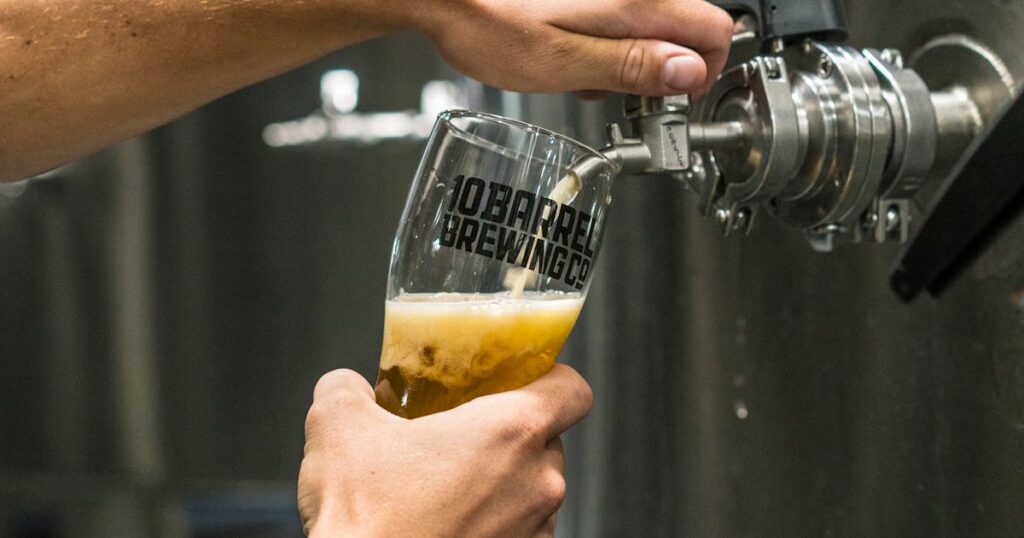
Why Umami & Savoury Botanicals Are 2026’s Brewing Revelation
For years, homebrewing has lived in the world of extremes: ultra-bitter IPAs, candy-sweet fruit beers, roasty stouts that could wake the dead. But something shifted in 2026, and I noticed it first not in a brewery, but in a Michelin-starred kitchen where the chef was talking about the “fifth flavour” — umami.
Umami, that elusive savoury sensation that makes you want another sip, is now becoming the secret weapon for craft brewers and homebrewers alike. And I’ll tell you: this changes everything.

What Is Umami in Beer, Anyway?
Umami isn’t bitter, sweet, sour, or salty — it’s something deeper. (Learn more from the BJCP Beer Style Guidelines.) It’s the savouriness in aged cheese, ripe tomatoes, mushrooms, and soy sauce. In beer, it comes from amino acids, particularly glutamates and nucleotides, that create a mouthfeel and finish that’s more complex, more satisfying than traditional brewing alone.
The science is straightforward: proteins break down during mashing and fermentation, releasing free amino acids. Certain malts, extended mashes, and specific yeast strains amplify this. But the real magic? Adding ingredients that naturally carry umami — herbs, botanicals, miso, seaweed, mushrooms — to create beer that demands a second glass.
I first tasted a proper umami beer last spring at a local brewing meetup. It was a low-alcohol dark ale with kelp and basil. I’ll be honest: my first thought was “this is weird.” My second thought was “why do I want more?” That’s umami working.
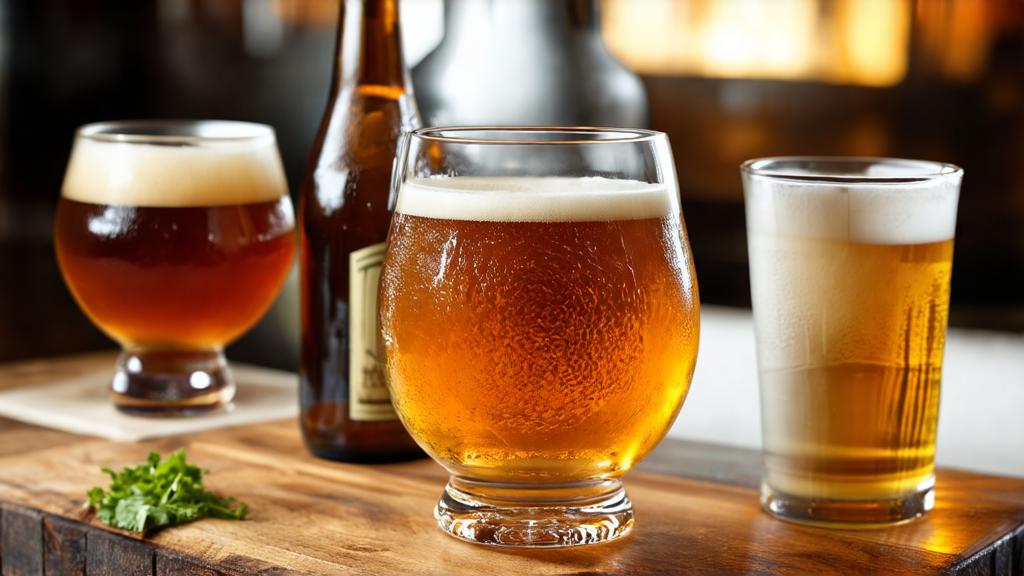
The Ingredients: Where Umami Comes From
Botanical Powerhouses
Basil, thyme, and rosemary aren’t just cooking herbs — they’ve got natural umami compounds. A small handful (5-10g) steeped in the last 5 minutes of the boil can transform a beer from pleasant to compelling. Botanical brewing is already gaining serious traction, but umami-forward herb blending is the next evolution.
Chamomile and hibiscus add savoury notes when combined with darker malts. I’ve had excellent results with hibiscus in a dry stout — it adds a tart, savoury edge that keeps the beer from feeling flat.
Miso & Fermented Ingredients
This is where most homebrewers get nervous, but miso paste (especially red or white miso) is a game-changer. Just 30-50g of quality miso (roughly 1-1.5 oz) dissolved into the secondary or dry hopped in a muslin bag adds profound umami without making the beer taste “Asian.” It’s subtle — more like umami lurking beneath the surface.
Start with a small batch. A 10L (2.6 gallons) pale ale with 40g white miso fermented in secondary is a perfect test. The miso doesn’t ferment further — it just dissolves and integrates.
Mushrooms & Kelp
Dried mushrooms (especially shiitake or porcini) can be steeped and added to the boil in the last 15 minutes. Kelp and nori add umami and a subtle briny character without overwhelming the beer. Most commercial kelp-forward beers use 10-20g per batch. It pairs brilliantly with low-ABV session beers, where the umami does the heavy lifting.
Salt & Mineral Profiles
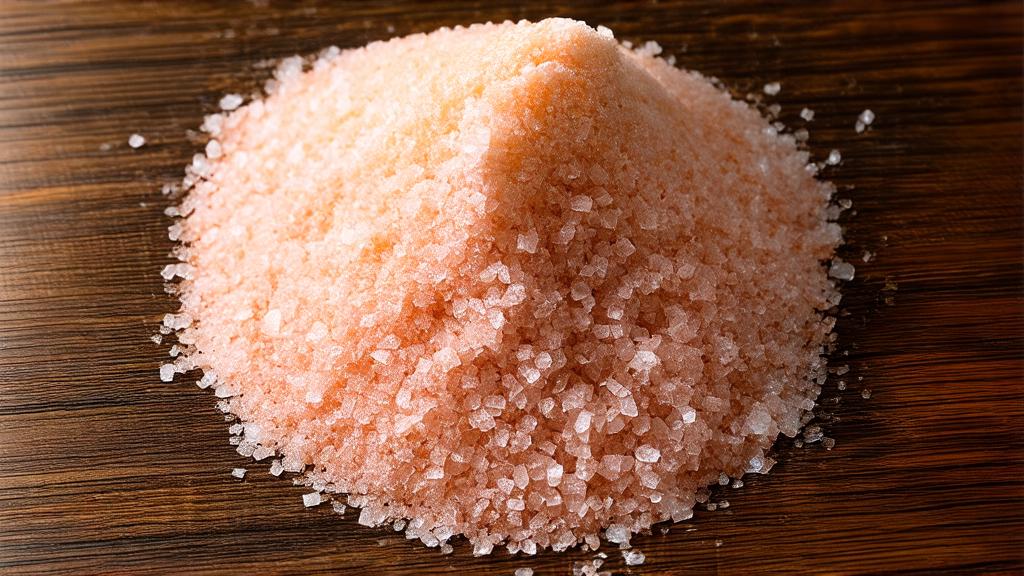
Here’s something most homebrewers overlook: water chemistry and mineral content directly impact umami perception. A beer brewed with slightly elevated sodium (around 100-150 ppm if your water allows) can feel more savoury. It’s not about making it salty — it’s about amplifying the umami floor.
Building Your First Umami Beer: A Step-by-Step Recipe
The Base Recipe: Low-ABV Umami Pale Ale (20L / 5.3 gallons)
- Grains: 2.5 kg (5.5 lbs) British Pale Ale Malt (available from The Malt Miller), 400g (14 oz) Munich Malt, 200g (7 oz) Crystal 60L
- Hops: 20g Styrian Goldings (60 min), 15g Hallertau (5 min)
- Yeast: 1 pack London Ale III (Wyeast 1318) or similar
- Umami Additions: 40g white miso, 10g dried shiitake mushroom (powdered), pinch of sel gris
- Botanicals: 8g fresh basil (last 10 min of boil)
The Process
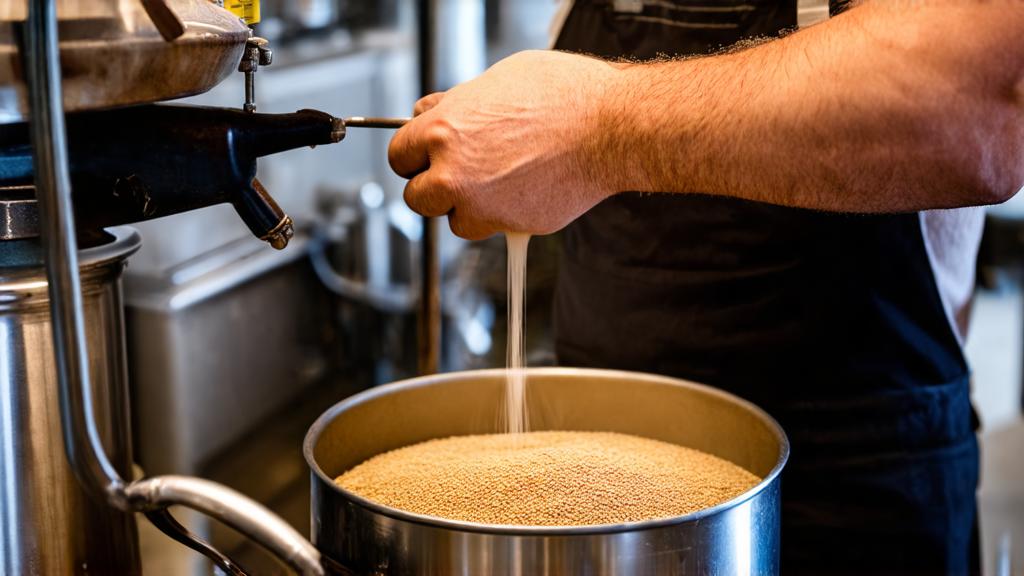
- Mash (66°C / 150°F for 90 minutes): The extended mash breaks down proteins into amino acids. More amino acids = more umami foundation. Don’t skip this.
- Boil (60 minutes): Standard procedure. Add hops on schedule. In the last 10 minutes, add basil (tied loosely in muslin so it’s easy to remove). Add powdered mushroom at flame-out.
- Cool & Pitch: Get to 19°C (66°F) and pitch London Ale III. This strain is forgiving and emphasises fruit/savoury esters.
- Fermentation (14-18 days at 18°C / 64°F): Let it ride. Don’t rush. Umami develops over time.
- Secondary (Week 3): Rack to secondary. Dissolve 40g white miso in 100ml of cooled wort first, then add. Don’t add miso directly — it’ll clump.
- Conditioning (3-4 weeks at 12°C / 54°F): Umami compounds integrate. Patience pays.
- Bottle or Keg: Prime and bottle (2.0 volumes CO₂) or keg. The umami will continue to smooth out over 4-6 weeks in bottle.
Expected OG: 1.042 | FG: 1.008 | ABV: 4.5% | IBU: 28 | Colour: 12 EBC
Tasting Notes & What to Expect
When you first crack one open, you might not immediately taste “umami.” Instead, you’ll notice:
- A lingering mouthfeel — not sticky, but present. Like the beer is holding onto your palate.
- Subtle savouriness — a hint of herbs and mushroom without being overtly “weird.”
- Complex finish — bitterness fades quickly, replaced by a gentle, creeping warmth.
- Food pairing magic — suddenly, this beer pairs brilliantly with aged cheese, roasted vegetables, or umami-rich dishes like miso soup or soy-braised meats.
I’ve found umami beers are best experienced with food. Drink one alone, and it might feel subtle. Drink one with a proper meal, and it’s magic.
Common Mistakes & How to Avoid Them
Over-Salting
Salt enhances umami but doesn’t create it. Don’t exceed 150 ppm sodium, and certainly don’t add salt directly to the boil unless you’re deliberately brewing a gose-style beer.
Miso Overpowering Everything
Start small: 30g per 20L (5.3 gallons). You can always add more in a later batch. Going too bold on miso can make the beer taste like a soup, not a sophisticated beverage.
Rushing Fermentation & Conditioning
Umami is a slow reveal. Cold-conditioning for 4+ weeks develops the character far better than a 2-week turnaround. This isn’t a beer style for competition deadlines.
Skipping the Extended Mash
That 90-minute protein rest isn’t optional — it’s foundational. A 60-minute mash just won’t develop the amino acid baseline you need.
Variations & Next-Level Experiments
Umami Stout
A roasty stout with miso, dried coffee, and a whisper of seaweed. The roast and umami together create something genuinely distinctive. Target 1.050 OG and 60 IBU.
Herbal Umami Pale Ale
Experiment with thyme, rosemary, and a touch of sage instead of basil. Ferment cool with a Belgian Saison yeast for more complexity. The herbs will shine differently.
Umami Sour
A mixed-fermentation beer (ale + lactic bacteria) with miso and coriander. The tartness and umami create an incredibly refreshing aperitif-style beer.
Collaboration Recipe
Brewing umami beer alone is fun, but brewing with a brewing community elevates it. Each person brings a different botanical or ingredient to the base recipe. You’ll end up with 5-10 wildly different interpretations of the same concept.
Why This Matters in 2026
Umami beer isn’t a gimmick. It’s a direct response to how palates have evolved. For decades, “extreme” was the benchmark: hoppier, stronger, more intense. But low-ABV and craft-focused brewing has taught us that subtlety wins. Umami is the subtlety that rewards attention.
And honestly? It’s fun. It’s challenging without being self-important. It opens conversations about culinary traditions, Asian brewing heritage, and what beer can be when you’re willing to experiment beyond the comfort zone.
Umami is craft brewing growing up, and organisations like CAMRA are championing these innovative approaches alongside traditional styles. And I’m here for it.
🍺 Join the Brotherhood — Monthly brews, stories & monk wisdom
Subscribe for exclusive recipes, early brew logs, and behind-the-scenes updates straight to your inbox.