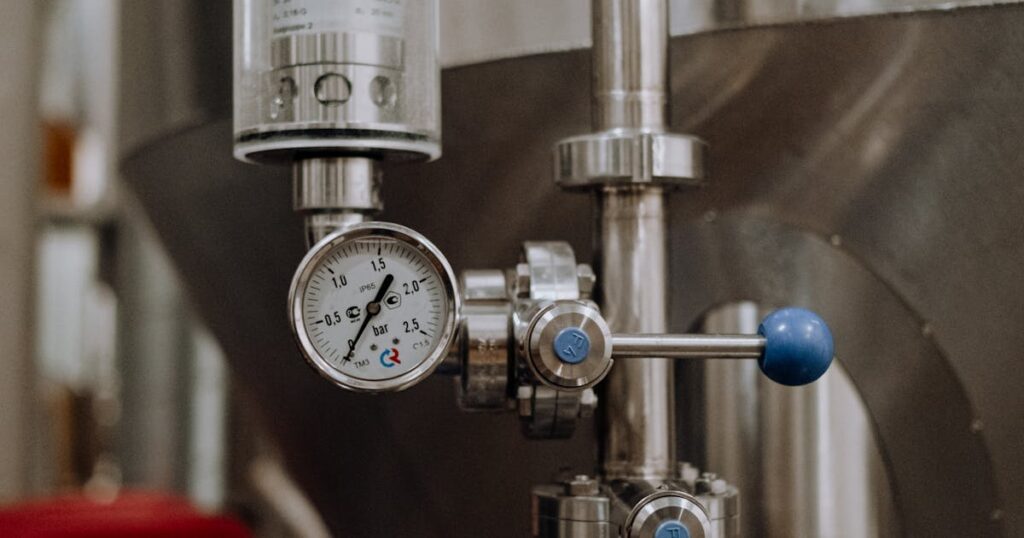
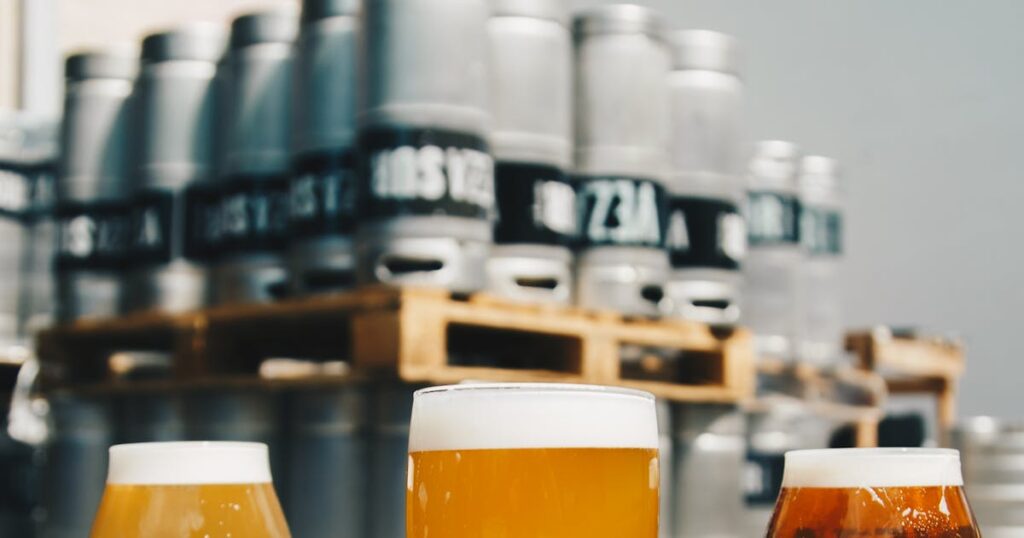
There’s a peculiar magic to saison brewing — the kind of beer that feels less like a product and more like a conversation between brewer, yeast, and time. In June 2026, as UK homebrewers look for something fresh and authentic, saison is experiencing a renaissance. It’s the second-trending style on Brewer’s Friend right now, and for good reason: these Belgian farmhouse ales marry technical precision with spontaneous creativity in ways that feel almost monastic in their balance.
I’ve been experimenting with saison for three years now — from my first chaotic attempt with Wyeast 3726 (nearly infected, barely saved) to recently nailing a picture-perfect Styrian Goldings version that had friends asking for the recipe. This guide is everything I’ve learned, plus the mistakes you’ll want to avoid.
What Makes a Saison Special — And Why Now?
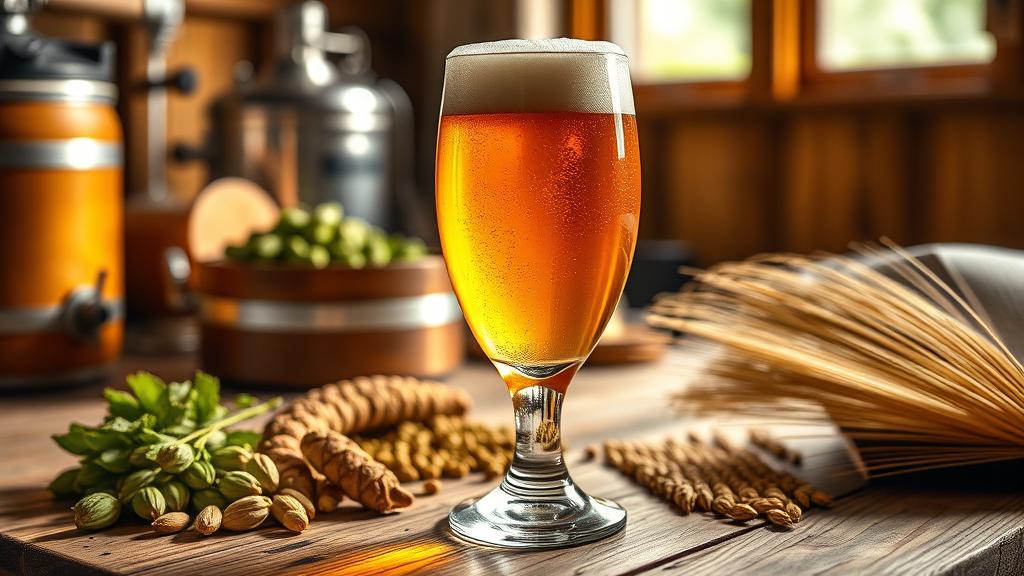
Saison translates to “season” in French — originally, these beers were brewed in winter and served to farmworkers during summer harvest. Low alcohol meant you could drink all day without losing your grip on the scythe. High carbonation and snappy bitterness kept you refreshed in the heat.
But there’s more to it than refreshment. Saison is a style built on attitude. The yeast is the star — Belgian saison strains throw fruity esters, spicy phenolics, and a complexity that changes week to week during fermentation. You’re not trying to perfectly control your beer; you’re steering a conversation and seeing where it goes.
In 2026, that’s deeply appealing. We’re tired of trying to make identical IPAs or lagers that taste like the last batch. Saison lets you embrace unpredictability whilst keeping the fundamentals solid. And from a brewing perspective, lower ABV fermentation actually teaches you more about yeast management and flavour balance than chasing higher gravity ales.
Ingredients & Equipment — The Foundation
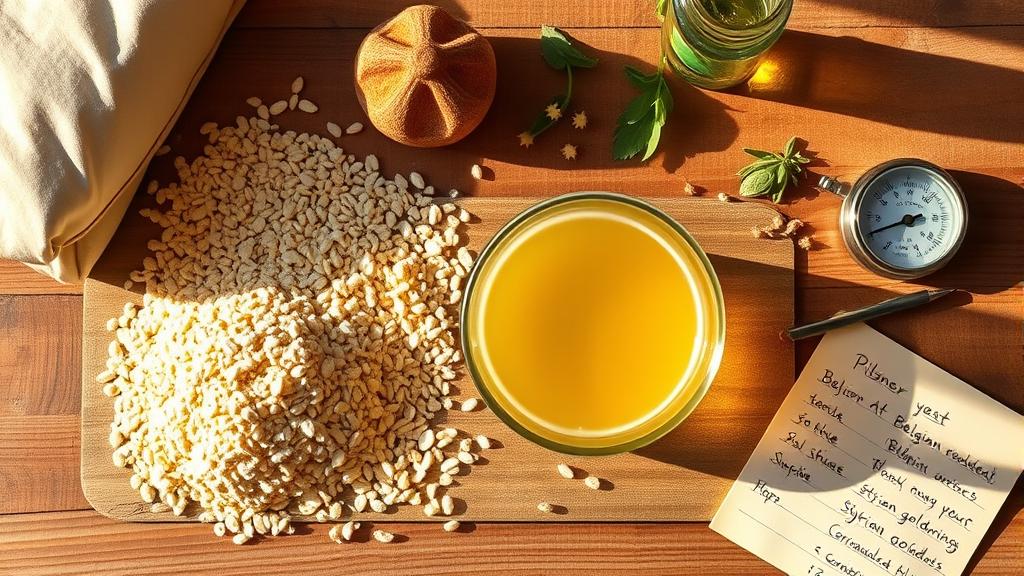
The Grain Bill
Simplicity is key. A traditional saison is 80–90% Pilsner malt (or Belgian Pale Ale malt if you can find it — The Malt Miller does a lovely one) with 10–20% specialty grains. I rotate between:
- Wheat malt (5–10%): Adds silky mouthfeel and helps head retention. Belgian brewers swear by it.
- Vienna or Munich malt (5–10%): Brings subtle bread-like warmth without mucking up the delicate ester profile.
- A touch of melanoidin or biscuit malt (2–3%): Just enough complexity; any more and you’re making an amber ale, not a saison.
For a 20-litre (5.3 US gallon) batch, I typically use 3.5 kg Pilsner, 0.5 kg wheat, 0.3 kg Vienna. Dead simple.
Hops — Restraint and Spice
Saison isn’t about hop bombs. These beers are fundamentally about yeast character and that delicate balance of refreshment and flavour. I use:
- 60-minute addition (bittering): Styrian Goldings (15 IBU) or East Kent Goldings. These noble hops have peppery, herbal notes that harmonise with saison yeast phenolics.
- 15-minute addition: A small charge of the same hop (5 IBU) for subtle flavour.
- No late addition. Keep aroma minimal — the yeast will provide the spice.
Total IBUs: around 20–25. The bitterness is there, but it doesn’t dominate.
Yeast — The Real Star
This is where saison comes alive. Belgian saison strains produce phenolic and fruity compounds that define the style. My favourites:
- Wyeast 3726 (Farmhouse Ale): The classic. Throws peach, pepper, and a hint of funk. Slow to start, but unstoppable once it gets going.
- White Labs WLP565 (Belgian Saison I): Slightly tamer, more approachable for first-timers. Still complex.
- Geterbrewed’s own house culture (if you’re serious): Build your own strain over time for something truly unique to your brewery.
Water & Minerals
If your tap water is soft (like most of the UK), consider adding a pinch of gypsum (calcium sulphate) — maybe 1 gram per 20 litres. It accentuates the hop bite and helps the yeast work faster. But honestly, saison is forgiving. I’ve made great ones on straight tap water.
Brew Day — Step by Step
Mashing
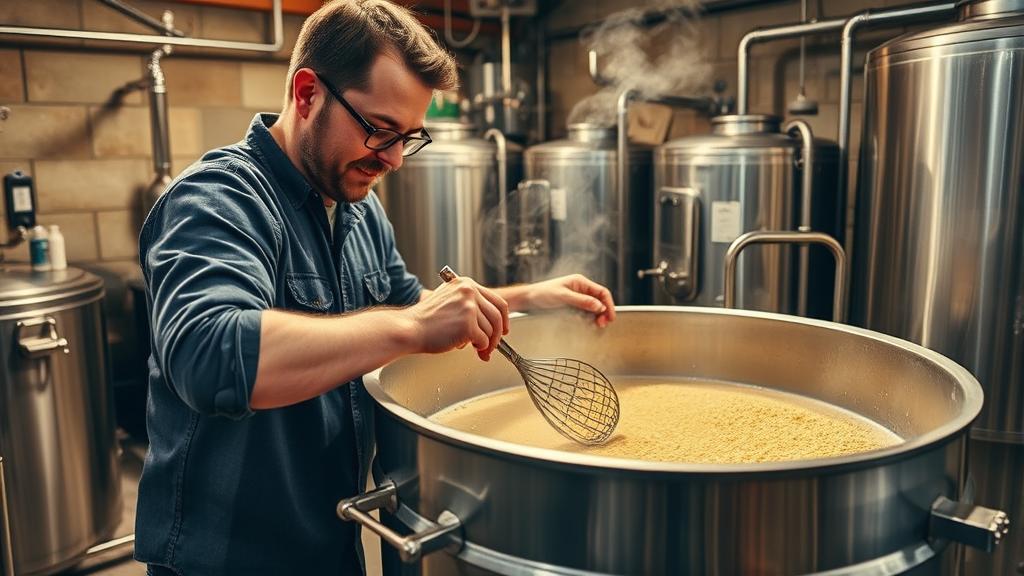
Temperature: Single infusion at 66–67°C (150–153°F). Slightly lower than pale ales — you want more fermentable sugars to keep ABV down and let the yeast character shine. Target an OG (original gravity) of 1.050–1.065.
Time: 60 minutes. Stir every 15 minutes if you’re doing all-grain.
The mash-out: Raise to 76°C (169°F) for 10 minutes before sparging. Standard stuff.
Sparging & Boil
Keep it simple: 90-minute boil, single 60-minute bittering addition, single 15-minute flavour addition. No whirlpool additions — saison isn’t about hop aroma.
Crucial tip: Chill your wort aggressively to around 20°C (68°F) before pitching. Cold wort will stress your saison yeast and create more esters. You want a clean pitch and controlled fermentation.
Fermentation & Temperature Control — The Dance
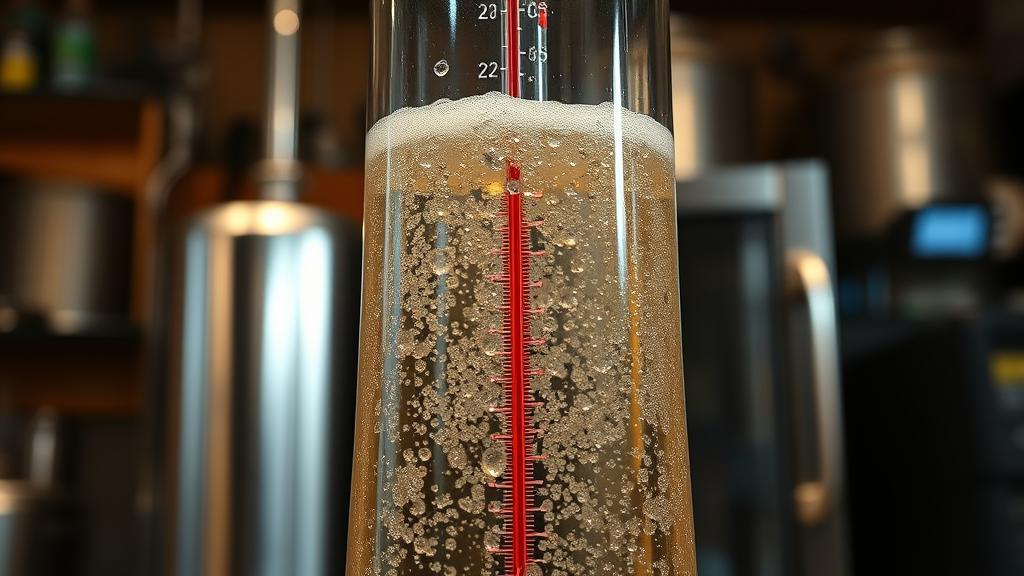
Here’s where beginners often stumble. Saison yeast is temperamental — it wants warm fermentation but also thrives when you let it rest.
Days 1–3: Cool Pitch
Pitch at 18–19°C (65–66°F). This slows fermentation slightly and reduces fusels (harsh alcohol flavours). Your airlock will be quiet for a day or two — resist the panic.
Days 3–10: Ramp Up Temperature
Raise temperature by 0.5°C per day until you hit 22–24°C (72–75°F). The yeast accelerates, throwing more esters. You’ll see vigorous bubbling by day 4.
Days 10+: Hold & Diacetyl Rest
Keep fermentation at 22–24°C until gravity reaches 1.010 or below. Then bump temperature to 25–26°C (77–79°F) for 3–5 days. This is the diacetyl rest — yeast cleans up any buttery, unpleasant compounds.
Days 15–20: Slow Finish
Let gravity settle to 1.005–1.008, then drop temperature back to 16–18°C (60–64°F) for a few days. This lets yeast settle and clears the beer naturally. Total fermentation time: 18–24 days.
Don’t rush it. Saison rewards patience.
Tasting Notes & My Honest Review
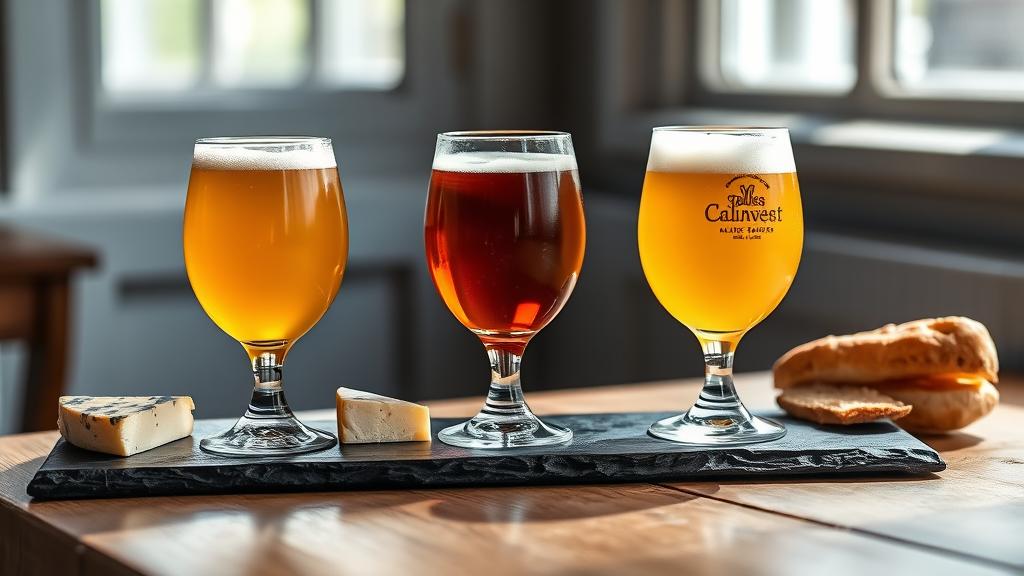
My last saison — brewed in March, bottled in May — is hitting its stride now at three weeks in bottle. Here’s what I’m getting:
- Appearance: Clear golden-amber, tight white head that lingers. Beautiful.
- Aroma: Peach, white pepper, hint of clove, subtle herbal hops. No off-flavours.
- Taste: Dry, crisp, spicy finish. Low body, high carbonation. Thirst-quenching without being thin.
- Mouthfeel: Lively. The 5.8% ABV is completely hidden.
The best part? It changes week to week as the yeast continues to work in the bottle. Week 1 was more fruity; now the spice is coming through. That’s saison.
If you’re comparing to the styles mentioned in recent UK craft beer trends, saison sits in that sweet spot between sessionable (like blonde lagers) and experimental (like mixed fermentation). It’s accessible but never boring.
Pro Tips & Common Mistakes
Mistake 1: Pitching too warm. If you pitch at 25°C+, your yeast will throw harsh fusel alcohols and unpleasant esters. Start cool, ramp gradually.
Mistake 2: Under-oxygenation. Saison yeast needs oxygen. Aerate like your life depends on it — vigorous shaking, an aquarium pump, or a stir plate. Underoxygenated saison tastes thin and stuck.
Mistake 3: Adding too many spices. Coriander, white pepper, grains of paradise — these are fun in theory, but saison yeast already provides spice. Trust the yeast. If you add spices, keep them very minimal (1 gram per 20 litres) and add late (last 5 minutes of boil).
Mistake 4: Rushing bottle conditioning. Bottle at FG 1.005 or lower. If you’re not patient, you’ll overcarbonate and risk explosions. Saison yeast is still working — let it finish in the bottle at room temperature.
Pro tip 1: Harvest and reuse your yeast. Belgian saison strains improve with each generation. Build your own house culture, and your saisons will get better year on year.
Pro tip 2: Try a blend. Brew one batch with WLP565 and another with Wyeast 3726. Taste them side by side. You’ll understand the yeast differences instantly.
Pro tip 3: Bottle condition in wine bottles. Higher carbonation tolerance. Saison begs for that lively fizz.
Variations & Next-Level Experiments
Once you’ve nailed the foundation, saison is your playground:
- Fruit saisons: Add 0.5–1 kg of fruit (raspberries, peaches, apricots) at day 5 of fermentation. The yeast will ferment it dry, and the fruit will integrate beautifully by week 3.
- Dry-hopped saison: Add 20–30g of noble hops (Hallertau, Saaz) at day 10. Adds aroma without the coarse bitterness of early additions.
- Spiced saison: If you’re experimenting, add cracked coriander and a tiny pinch of white pepper (0.5g per 20L) at flameout. Steep 5 minutes, no more.
- Barrel-aged saison: If you’re mad, age in oak for 3–6 months. The wood tannins and oxidation mellow the spice beautifully.
Each variation teaches you something new about fermentation chemistry and yeast behaviour.
Conclusion: Why Saison Matters
Saison isn’t the easiest beer to brew. It demands temperature control, patience, and faith in your yeast. But here’s the thing — that’s exactly why it’s worth brewing.
In a world of formulaic craft beer, saison is honest. It celebrates imperfection, yeast character, and the partnership between brewer and microbe. Every batch is slightly different. Every bottle is a small conversation you’ll have with yourself weeks later.
If you’re ready to move beyond your comfort zone — to embrace the unpredictable and the rewarding — saison is calling. Start this month. By August, you’ll have a beer that tastes like summer, tastes like patience, and tastes like you finally understand why Belgian monks perfected this centuries ago.
Brew with intention. Taste with curiosity. Let the yeast surprise you.
External Resources:
- BJCP Beer Style Guidelines — Belgian Saison
- HomeBrewTalk Belgian Brewing Forum
- Geterbrewed Ingredient Supplier (Belgian malts and yeast)
🍺 Join the Brotherhood — Monthly brews, stories & monk wisdom
Subscribe for exclusive recipes, early brew logs, and behind-the-scenes updates straight to your inbox.