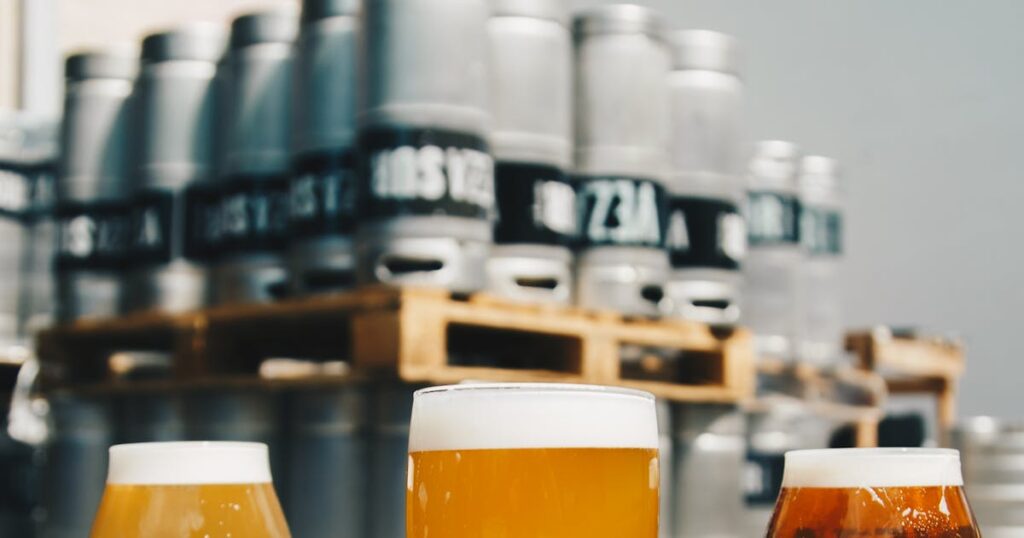
If you’ve been following the UK craft beer renaissance, you’ll have noticed something peculiar: Mexican lagers have quietly crept into tap lists across the country. Not the mass-market cerveza brands your mates order on holiday, but proper craft interpretations of that crisp, sessionable style. By 2026, it’s become a bonafide homebrewing trend, and honestly? I’m here for it.
The beauty of Mexican lager lies in its radical simplicity. It’s the opposite of craft beer showmanship. No 90-minute IPA boil, no wild yeast cultures, no £50-a-kilogram specialty malts. Instead, Mexican lager asks a fundamental question: what happens when you strip beer down to its essentials—clean malt, noble hops, pristine water, and precision fermentation? The answer is deceptively brilliant.
Why Mexican Lagers Are the Trend We Didn’t Expect in 2026
Earlier this year, I noticed something in the trends data: drinks retailers, craft breweries, and industry forecasters all flagged Mexican-style lagers as an emerging category. It made sense. Amid the complexity creep in craft beer—pastry stouts, barrel-aged sours, twenty-ingredient experimental ales—there’s a growing hunger for restraint.
Mexican lagers embody that shift. They’re sessionable (typically 4.0–5.5% ABV), calorie-conscious, and built for warm weather. Gen Z is drinking less overall but seeking quality when they do. Millennials are rotating between alcoholic and alcohol-free options. Even older drinkers, fatigued by “flavour bombs,” are returning to styles that let the drinker think, talk, and enjoy company without being flattened by alcohol or intense hoppy bitterness.
From a homebrewing perspective, Mexican lager is also technically rewarding without being intimidating. Unlike Czech pilsners, which demand decoction mashing and exacting temperature control, Mexican lagers are forgiving. They’re your gateway into understanding how precision fermentation and clean lager character emerge from restraint rather than ambition.
Understanding the Mexican Lager Style
Here’s where most homebrewers get confused: authentic Mexican lagers aren’t just pale lagers with a lime. The BJCP defines them under International Pale Lager, but the signature character comes from one surprising ingredient: corn (maize).
Traditional Mexican breweries use adjuncts—flaked maize, corn syrup, or corn solids—not for cost-cutting (as some snobby craft beer folk claim), but for a deliberate stylistic choice. Corn adds a subtle sweetness and, crucially, allows the yeast to ferment further than it would on malts alone. The result? A bone-dry finish despite the corn’s residual sweetness on the palate. It’s a paradox that feels almost Japanese in its balance.
The malt bill is simple: pale malt dominates (60–70%), with corn adjunct making up 20–30%. Hops are restrained—noble varieties (Saaz, Hallertau) or low-alpha US hops like Liberty. Bitterness sits around 15–25 IBUs. The yeast is lager yeast, and here’s the secret: Mexican lager yeast (like White Labs WLP940 or Wyeast 2112) ferments cleaner and drier than standard pilsner strains, producing virtually no esters or phenolics.
The result is beer that tastes like nothing but itself. No off-flavours. No complexity hiding flaws. Just pure, crystalline refreshment. If your homebrew isn’t crystal clear, bone dry, and sparkling with carbonation, the flaw is there for all to see. That’s why brewers—both professional and home—love it. It demands honesty.
Ingredients & Equipment
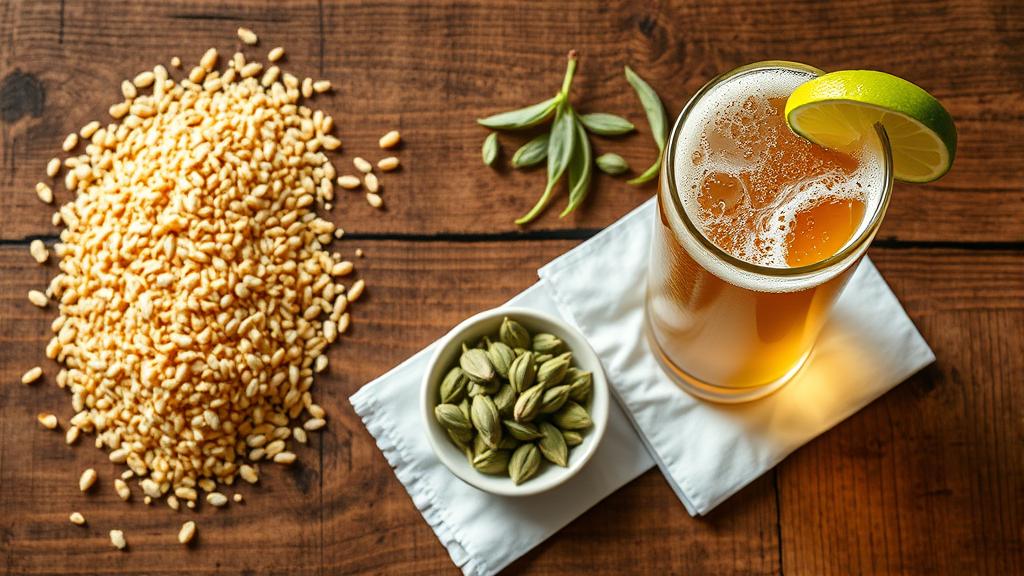
For a 20-litre (5-gallon) batch, you’ll need surprisingly little. I’m listing everything in metric + imperial to keep us on the same page:
- Pale Malt: 3.0 kg (6.6 lb)—base of everything
- Flaked Maize: 1.0 kg (2.2 lb)—adds the signature character
- Saaz or Hallertau Hops: 15 g (0.5 oz) at 60 min; 10 g (0.35 oz) at 15 min—keep it subtle
- Mexican Lager Yeast: White Labs WLP940 or equivalent (pitch 2 packs for clean fermentation)
- Water: 45 litres (12 gallons) for mash + sparge—neutral or slightly soft preferred
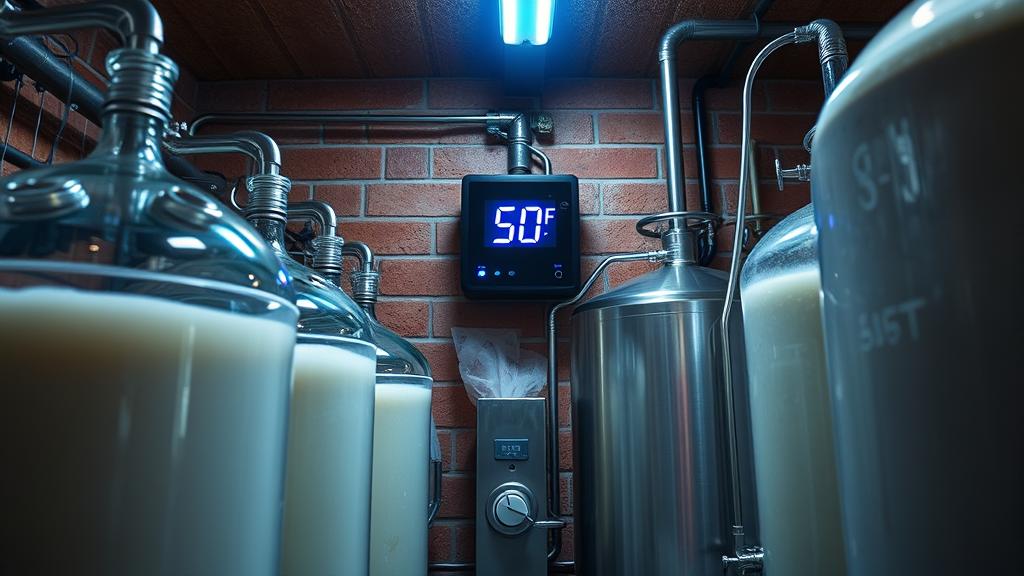
Equipment-wise, you need nothing exotic. All-grain brewing with a standard 20-litre pot or larger, a grain mill, a hydrometer, and most crucially: temperature control for fermentation. Mexican lagers ferment cold—around 10–12°C (50–54°F)—so a fridge or cool box becomes essential. Many homebrewers invest in a temperature-controlled fridge (£80–150 used) specifically for lagers. Worth every penny.
For carbonation, aim for 2.6–2.7 volumes of CO₂. This gives that crisp, snappy fizz without the aggressiveness of over-carbonated ales. If you’re kegging, set regulator to about 12 PSI. If bottling, use roughly 4 g (1 tsp) of dextrose per 500 ml bottle and age for 3 weeks before opening.
Brewing Day: The Step-by-Step Process
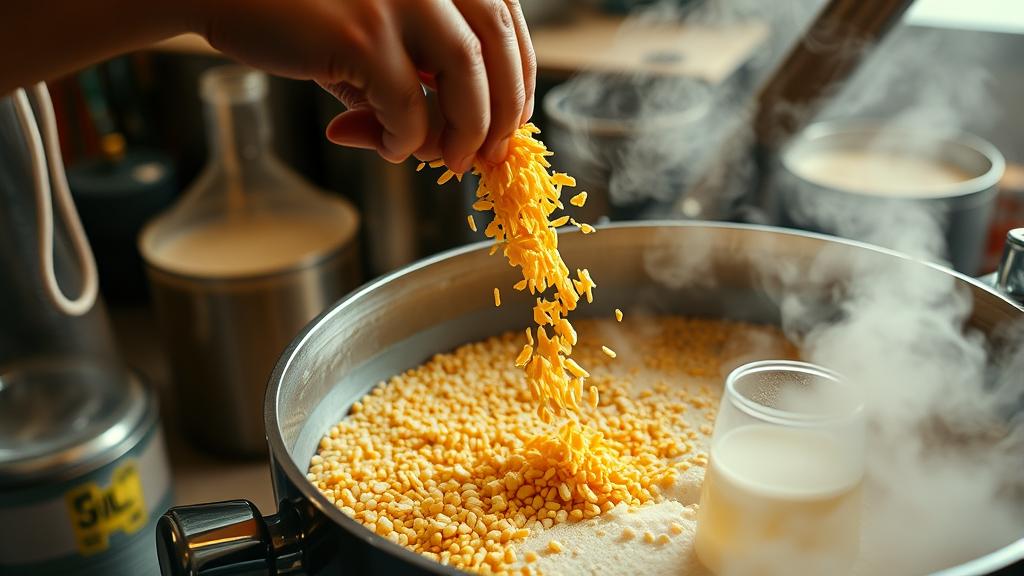
1. Mash-In (65–67°C / 149–153°F): Crush your malt and flaked maize together (flaked maize doesn’t need crushing, but mixing it in prevents clumping). Aim for a mash thickness of 2.5–3.0 litres of water per kilogram of grain. Hold this temperature for 60 minutes, stirring occasionally.
2. Mashout (76–78°C / 169–172°F): Raise temperature to 76°C and hold for 10 minutes. This stabilises the grain bed for lautering.
3. Lautering: Slowly run off the wort into a kettle, recirculating the first litre or so until the wort runs clear. Sparge with 45°C (113°F) water until you’ve collected about 25 litres (6.6 gallons) of wort pre-boil.
4. Boil (60 minutes total): Bring to a rolling boil. Add 15 g Saaz at 60 minutes. At 15 minutes remaining, add 10 g Saaz. No bittering additions after 15 minutes—we want clean, subtle hopping.
5. Chill: Cool to 10°C (50°F) as quickly as possible. A wort chiller gets you there in 15–20 minutes. Let the wort settle for 10 minutes, then siphon into a fermentation vessel, leaving sediment behind.
Fermentation & Conditioning
This is where patience becomes your greatest ingredient. Pitch your yeast (two packs of WLP940 or equivalent) into the cooled wort at 10–12°C (50–54°F). The fermentation will start slowly—sometimes taking 24–48 hours for visible activity. Don’t panic. Lager yeast is methodical.
Maintain 10–12°C (50–54°F) for 10 days. You’ll see a slow, steady krausen (foam head). After 10 days, check gravity. Your original gravity should have been around 1.046, and you’re aiming for a final gravity of 1.008–1.010. If you’re there, you can proceed.
Now comes the lager conditioning phase: diacetyl rest. Raise temperature to 14–16°C (57–61°F) for 2 days. This allows the yeast to clean up any unwanted buttery compounds. Then chill back to 4–6°C (39–43°F) and age for 2–3 weeks. This is called “lagering,” and yes, it takes time. But this is what transforms green beer into something refined.
After lagering, bottle or keg and carbonate. Mexican lagers benefit from proper carbonation levels—slightly higher than ales but not over-carbonated. Bottle-conditioning takes another 3 weeks before you crack one open.
Tasting Notes & My Honest Take
When I cracked open my first batch of Mexican lager last month, I felt something unexpected: relief. After months of chasing complex flavours, subtle oak notes, and intricate yeast character, this beer asked nothing of me. It just… was.
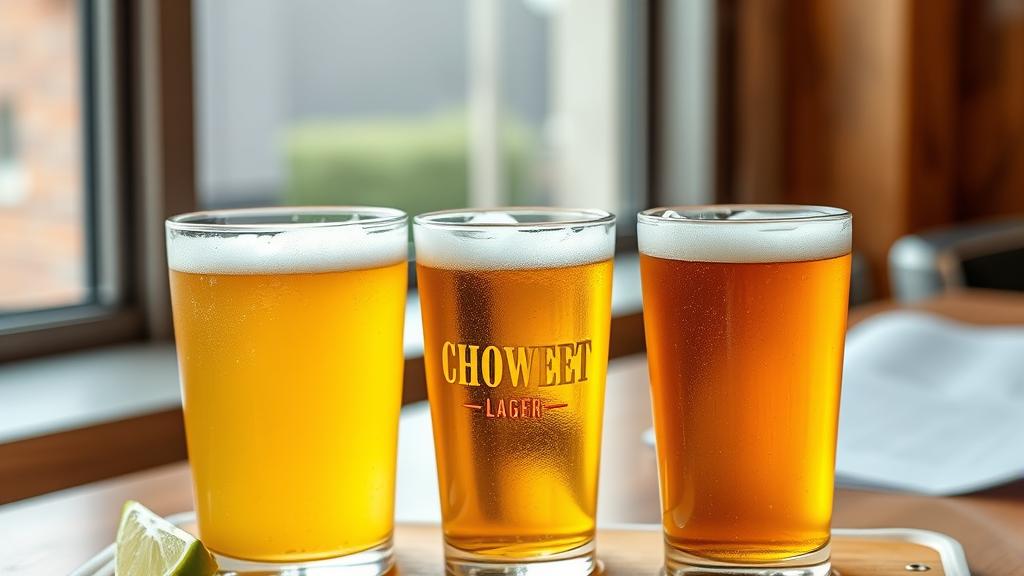
Appearance: Crystal clear, pale golden (SRM 2–4), with a bright white head that dissipates cleanly.
Aroma: Faint grain sweetness, barely-there hop herbal notes, virtually no esters. If you were blind-tasting, you’d say “clean.”
Taste: Dry, crisp, slightly sweet on the palate (from the corn) but finishing bone-dry. A touch of noble hop grassiness. The corn adjunct doesn’t taste “corny”—it simply enables a lighter body and drier finish than all-malt brewing would. The mouthfeel is smooth, almost silky.
Finish: Refreshing. Genuinely refreshing. This is a beer you can drink 2–3 of without feeling bloated. The carbonation snaps, making each sip a reset.
The honest verdict: it’s not the most interesting beer you’ll brew. It won’t win homebrew competitions. But it’s the most useful beer. It pairs with food, sits beautifully in summer sun, and tastes like you actually know what you’re doing. That quiet competence? That’s craft.
Variations & Experimentation
Once you’ve nailed the base recipe, Mexican lager becomes your playground. A few directions worth exploring:
Hopper’s Mexican: Bump up Saaz to 20 g (0.7 oz) at 60 min and add 15 g (0.5 oz) Tettnang at 5 min. Slightly more bitter, slightly more floral. Still sessionable at 4.8% ABV, but with more personality.
Lime & Salt Variation: This is contentious, but fruit-forward session beers are trending. Try adding zest from 2–3 limes in the last 5 minutes of the boil, then a pinch of sea salt at packaging. Drink fresh.
Hybrid Approach: Reduce corn adjunct to 15%, add 0.5 kg (1.1 lb) Vienna malt for more malt complexity. You’ve created something between a Mexican lager and a blonde lager—still sessionable, slightly richer.
For those wanting to push further, look into pressure fermentation, which speeds up lager turnaround from 6–8 weeks to 2–3 weeks. Or experiment with kveik yeast strains—some work brilliantly at lager-like temperatures without the time investment, though purity suffers.

Why This Matters in 2026
Mexican lager is more than a trend. It’s a reminder that craft doesn’t mean complex. Sustainable brewing often means working with what you have, not chasing exotic ingredients. Community brewing thrives when beers are approachable, not gatekept by technical jargon.
This style is inclusive. It works in Britain’s warm summers and cold basements alike. It pairs with everything from Sunday roast to fish and chips to Thai takeaway. It’s honest: there’s nowhere for poor quality to hide.
If you’ve been intimidated by lager brewing, Mexican lager is your entry point. If you’ve been overwhelmed by hop varietals and experimental ingredients, this is your permission to strip things back. If you’re simply thirsty for a brilliant beer that doesn’t pretend to be more than it is, this is what summer 2026 tastes like.
Closing Thoughts
I started brewing Mexican lager almost by accident—a brewing friend mentioned it, I found a recipe, and I thought, “Why not?” Six weeks later, I cracked open a bottle that tasted like absolute clarity. No off-flavours. No apologies. Just beer.
That’s the whole point, isn’t it? Sometimes mastery isn’t about complexity. Sometimes it’s about understanding what matters and letting go of everything else.
Now go brew. And maybe chill a glass with a lime wedge for the moment you finally get it right.
🍺 Join the Brotherhood — Monthly brews, stories & monk wisdom
Subscribe for exclusive recipes, early brew logs, and behind-the-scenes updates straight to your inbox.