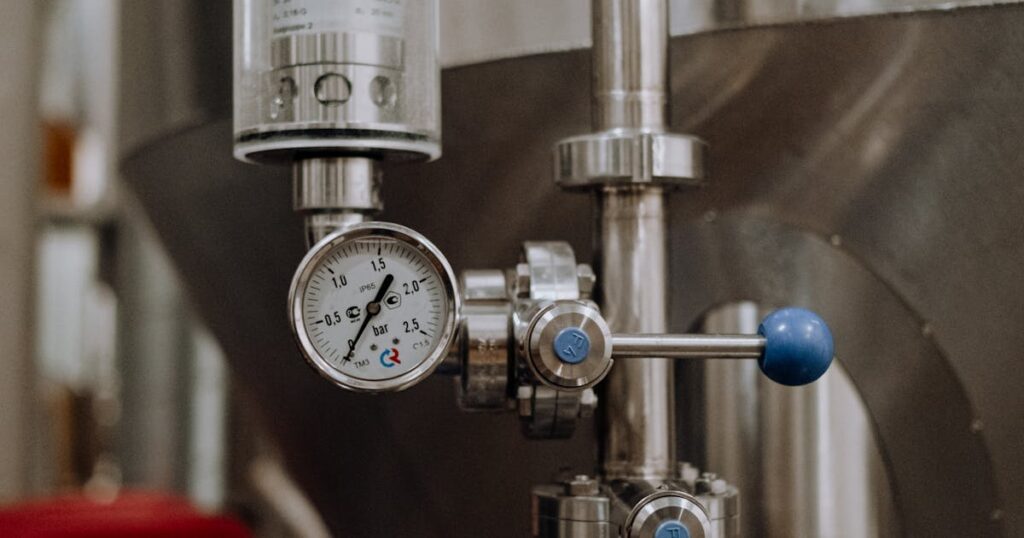
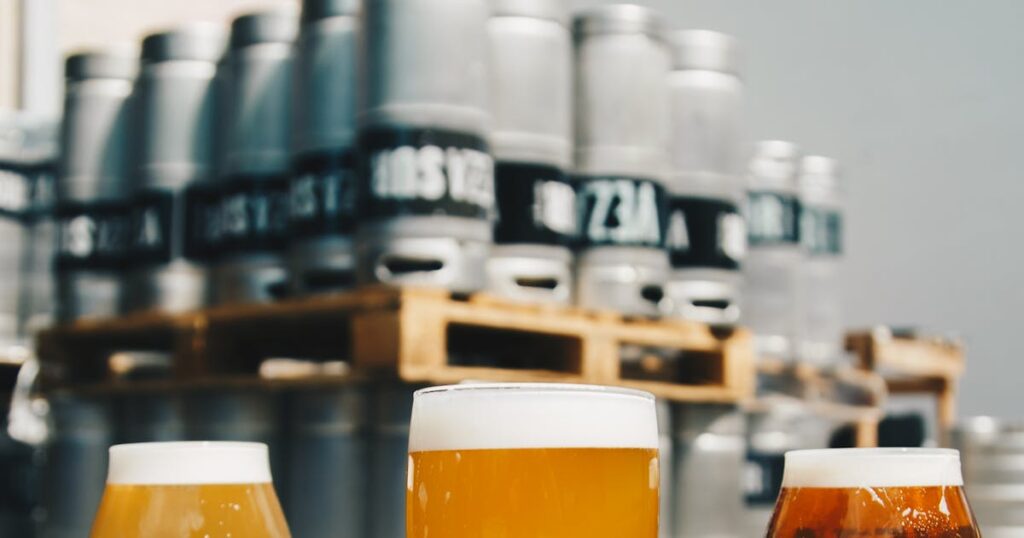
Why Alcohol-Free Brewing Matters Now
When the British Beer and Pub Association announced that 64 million pints of low- and no-alcohol beer would be consumed in the UK this summer alone—an 8 million pint increase from 2025—I realised something fundamental had shifted. This isn’t a passing trend. It’s a genuine renaissance. Much like our earlier exploration of low-ABV brewing techniques for session beers, alcohol-free brewing represents a shift in how we think about beer.
For decades, “alcohol-free” was synonymous with “punishment beer.” Thin, watery, tasting like someone had extracted all the good bits and left the bitterness. But 2026 is different. A new wave of yeast strains, developed through classical breeding programmes, are changing what’s possible. These yeasts ferment selectively, allowing brewers to create beers below 0.5% ABV that actually taste like beer—with body, complexity, and character.
As a homebrewer with monk heritage in my bones, I’ve always appreciated the contemplative side of brewing. Alcohol-free techniques fit perfectly into that philosophy: precision, restraint, and mastery of craft rather than alcohol content. Whether you’re brewing for health reasons, training for an endurance event, or simply exploring what’s possible within tighter constraints, understanding alcohol-free homebrew methods opens a completely new category of possibility.
Let me walk you through the techniques that are making this possible in July 2026, starting with the science of selective fermentation and moving through a practical brew day from grain to glass.

The Science of Selective Fermentation
The breakthrough that makes modern alcohol-free homebrew feasible is the development of new yeast strains through classical breeding. These aren’t GMOs—they’re cultivated through traditional selection methods, isolating yeasts that ferment only certain sugars while leaving others untouched.
In conventional brewing, standard ale and lager yeasts eat virtually all fermentable sugars, producing alcohol as a byproduct. With alcohol-free brewing, your yeast stops early. Strains like WSET’s documented new cultivars can create beers where the yeast consumes simple sugars (glucose, fructose) but leaves complex sugars (maltose, dextrins) behind. This creates residual sweetness and body that water-down approaches never achieve.
The magic number is 0.5% ABV. Anything below that in the UK is classified as “alcohol-free.” In practice, you’re aiming for 0.3-0.4% ABV to leave a comfortable margin. The remaining fermentable sugars create that crucial mouthfeel—that texture and weight that separates a real beer from coloured water.
As a brewer, you control this through three levers: malt selection, fermentation temperature, and yeast choice. Get all three right, and you’ve got something genuinely drinkable.
Malt Strategy and Ingredient Selection
Start with a grain bill that emphasises flavour over fermentability. Use malts that contribute complexity: Munich malt (20 litres / 5 US gallons base), caramel malts (Crystal 60L, around 500g / 1 lb), and even small additions of chocolate or roasted barley for colour and subtle flavour notes. These malts provide unfermentable dextrins that a standard beer yeast would normally consume but your selective strain will leave alone.
For hops, this is where alcohol-free brewing can actually shine. Without the masking effects of high alcohol, every hop note comes through clearly. I’m currently experimenting with British varieties—The Malt House stocks excellent UK-grown hops—and the results are crisp, aromatic, and beautifully balanced. Aim for a moderate IBU (International Bitterness Units) profile: 25-35 IBU total. More than that, and the bitterness becomes harsh without alcohol to round it out.
Water chemistry matters more in alcohol-free brewing because you’re not relying on alcohol to cover imprecision. If you’re in a hard water area (common across the UK), consider a partial mash-out or even a light water treatment. I use a simple addition of Burton Water Salts to enhance mineral balance, particularly Geterbrewed’s pre-made water treatments, which take the guesswork out of it.
The Brew Day: Step-by-Step
Here’s how I approach an alcohol-free brew day, using a 20-litre (5 US gallon) batch as an example:
- Mash: Strike water heated to 68°C (154°F). Add crushed grains and aim for a mash temperature of 66°C (151°F), which favours more complex sugars. Hold for 60 minutes, stirring occasionally. This slightly lower temperature than standard brewing helps preserve unfermentable dextrins.
- Sparge: Run off slowly. Collect about 27 litres (7 US gallons) of wort to account for evaporation.
- Boil: A full 90-minute boil. Longer boils help concentrate flavour and give your hops time to integrate properly. Add bittering hops at 60 minutes (15g / 0.5 oz), flavour hops at 15 minutes (10g / 0.35 oz), and aroma hops at flameout (10g / 0.35 oz).
- Cool: Chill to 18-20°C (64-68°F) if using an ale strain, 12-15°C (54-59°F) if using a lager strain. This is critical—proper yeast pitching temperature directly affects fermentation character.
- Pitch: Use a selective yeast strain. I recommend HomeBrewTalk’s database for strain recommendations, or contact a specialist supplier like Geterbrewed for current availability. Pitch at the manufacturer’s recommended rate—usually a liquid culture is ideal.

Fermentation and Conditioning
This is where selective yeast strains shine. Fermentation typically runs 7-10 days, slower than standard brewing. This precision mirrors the techniques described in our hybrid fermentation guide, where temperature control is equally crucial. Your gravity will drop steadily but stop earlier. Here’s where a hydrometer becomes your best friend.
Start at 1.045 OG (Original Gravity) for a beer with some body. Watch the gravity fall. With a standard yeast, you’d expect to hit 1.005 or lower. With your selective strain, you’ll stop around 1.012-1.015 FG (Final Gravity). This is your target window. Gravity below 1.012, and you’re losing body; above 1.018, and fermentation might have stalled.
Temperature control is non-negotiable. As we’ve covered in our 2026 homebrewing equipment guide, proper fermentation management is essential to quality beer. Ale strains: 18-22°C (64-72°F). Lager strains: 12-15°C (54-59°F). I use a simple thermostat-controlled heat belt in a utility cupboard—nothing fancy, but consistent.
After fermentation is complete (check gravity stability over 3 days), bottle or keg as usual. If you’re feeling adventurous with your alcohol-free experiments, barrel-aging techniques can add complexity even to lower-alcohol beers. If bottling, use carbonation drops or 2.5g (0.09 oz) of dextrose per 330ml bottle for a gentle fizz. Alcohol-free beers can over-carbonate easily, so go gentle.
Condition in bottle for 2 weeks at room temperature. In keg, carbonate to 2.0-2.2 volumes of CO₂—less than a typical ale—and serve cold.
Tasting and Troubleshooting
When your first batch is ready, take your time tasting it. You’re looking for balance. Sweetness from residual sugars. Subtle hop bitterness. Malt character—biscuity, slightly caramel. A clean finish without harsh dryness.
Common issues and fixes:
- Too dry, thin mouthfeel: Your fermentation went too far. Next brew: reduce mash temperature by 1-2°C or add slightly more caramel malt.
- Stuck fermentation (gravity won’t move): Possible temperature swings or weak yeast pitch. Ensure temperature stability and use a fresh yeast culture.
- Harsh bitterness: Over-ambitious hopping for alcohol-free. Reduce bittering additions to 10-12 IBU.
- Cidery or estery flavours: Fermentation temperature too high. Dial it back 2-3°C on the next brew.
The beauty of homebrewing is iteration. Each batch teaches you something about your process, your water, your palate.
Variations and Experimentation
Once you’ve nailed the fundamentals, the possibilities multiply. Try these next:
- Alcohol-Free IPA: Increase aroma hops (dry-hop with 20g / 0.7 oz at flameout). The hop character shines without alcohol to obscure it.
- Alcohol-Free Porter: Build on chocolate and roasted malts. The residual sweetness balances roast beautifully. Aim for 1.048-1.052 OG.
- Mixed-Fermentation: Pitch a small amount of Brettanomyces or wild yeast alongside your selective strain. For more on this approach, see our guide to wild fermentation techniques. Risky, but fascinating flavours emerge in 12+ weeks.
- Fruit Additions: Alcohol-free beers can carry fruit flavours subtly. Try 500g (1 lb) of pureed berries added post-fermentation.
The Bigger Picture
Alcohol-free homebrewing isn’t about substitution—settling for less. It’s about mastery within constraints. The monk in me respects that. You’re forced to understand every lever in your process. There’s nowhere for sloppiness to hide. The result is often more technically impressive than a standard beer because it demands precision.
And practically? With 64 million pints of low- and no-alcohol beer being consumed in the UK this summer, you’re tapping into something genuine. There’s a real community now—drinkers who want the ritual, the taste, the craft, without the alcohol. Whether that’s for fitness, sobriety, or simply preference doesn’t matter. The trend is real, and the beer is good.
I’ll be doing this more. And I suspect you will too.
🍺 Join the Brotherhood — Monthly brews, stories & monk wisdom
Subscribe for exclusive recipes, early brew logs, and behind-the-scenes updates straight to your inbox.