Why Barley Wine Matters: England’s Forgotten Masterpiece
I spent six months last year obsessing over a single batch. Not because something went wrong, but because everything went right—and I didn’t realise it until month five. Barley wine is the slow-burn masterclass of homebrewing: a beer that demands patience, rewards precision, and teaches you more about fermentation and flavour development than almost any other style. In 2026, as brewers collectively rediscover the value of English classics, barley wine is having a moment—and for good reason.
Barley wine isn’t actually wine. It’s a beer of imperial strength (9–12% ABV or higher), rich enough to age like a fine spirit, complex enough to reveal new layers after years in the bottle. The style emerged in Georgian England as brewers’ answer to imported wines: a way to create something luxurious, preservative-stable, and distinctly British. Breweries like Bass, Theakston, and Newcastle produced barley wines that became legendary—thick, warming, burnished with caramel and English nobility.
What makes barley wine special to homebrew is that it’s unforgiving and generous in equal measure. Every decision—grain choice, boil length, fermentation temperature—cascades into the final beer. Make it right, and you’ve crafted something that improves with age, earning the monastery-like patience it demands.

Ingredients and Gravity: Building a Masterpiece
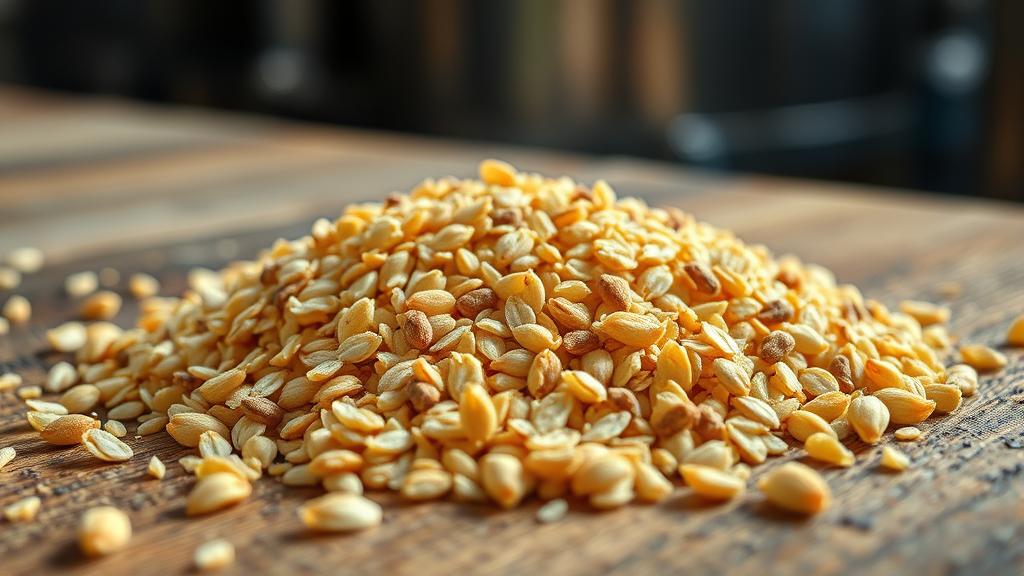
A barley wine’s power comes from its grist. Most start with a base of English pale ale malt (60–70% of the grain bill), chosen for its clean fermentability and subtle breadth. But it’s the specialty malts that define the character.
For a traditional English barley wine, I build layers: pale ale malt as the foundation, then caramel malts (crystal 60–90 EBC) for sweetness and body, Vienna malt for depth, and small amounts of chocolate or roasted barley for complexity. A typical 20-litre (5 US gallon) batch might look like this:
- 4.5 kg pale ale malt
- 1 kg medium crystal malt (Crystal 70)
- 500g Vienna malt
- 250g chocolate malt
- 50g roasted barley
This produces an original gravity (OG) of 1.085–1.095 (20–22° Plato in metric), yielding around 10% ABV with a healthy English ale yeast. Some brewers push beyond 1.100, creating near-wine strength beers that demand additional considerations for fermentation.
The mash is straightforward: a single infusion at 66–68°C (150–154°F) for 60–75 minutes. Barley wine rewards a thorough, well-modified malt, so don’t overthink it. What matters is extracting maximum body and fermentability without astringency.
The Extended Boil: Where Magic Happens
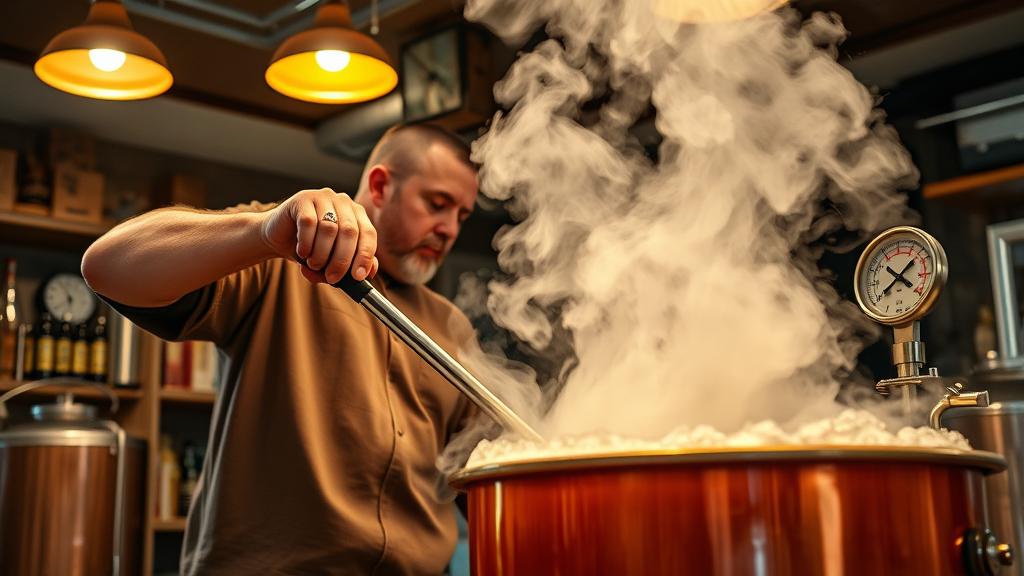
Here’s where barley wine separates amateurs from craftspeople. Most ales boil for 60 minutes. Barley wines? 90–120 minutes minimum. Some traditional recipes call for 2-hour boils.
Why? Extended boiling serves multiple purposes. It increases IBU (International Bitterness Units) utilisation, meaning your bittering hops (typically English varieties like Target or Challenger) deliver more defined bitterness despite the beer’s residual sweetness. It drives off excess DMS (dimethyl sulfide), a compound that creates corn-like flavours in pale lagers but can muddy the delicate fruit notes of a barley wine. And it reduces the wort, concentrating flavour, body, and gravity as water evaporates.
I typically run a 100-minute boil:
- 0 minutes: Add 30g Target hops (bitter)—aim for 50–60 IBU total
- 60 minutes: Add 15g English Golding or Fuggles (mid-boil complexity)
- 75 minutes: Add 20g East Kent Goldings (aroma + flavour layer)
- 90 minutes: Add 15g Goldings again (final character)
- End of boil: Add 20g loose leaf English breakfast tea (optional, for tannin definition)
This approach builds depth rather than flash. Modern fruit-forward hops would clash with barley wine’s contemplative nature—this beer belongs to classic English bitterness balanced against malt sweetness, not dank tropical assault.
Fermentation: The Marathon, Not the Sprint
High gravity means slow fermentation. A typical barley wine at 1.090 OG takes 3–4 weeks minimum to fully attenuate (reach final gravity) with ale yeast. Some brewers report fermentations that don’t complete for 8–10 weeks.
Temperature control is essential. I ferment barley wine at 18–20°C (64–68°F)—slightly cooler than I’d pitch a pale ale—to slow the yeast, reduce ester production, and encourage the complex flavour development that rewards patience. Too warm (22–24°C / 72–75°F), and you risk harsh fusel alcohols. Too cool, and fermentation stalls.
Yeast selection matters enormously. I favour English ale yeasts with high alcohol tolerance:
- Wyeast 1968 London ESB: Clean, slightly ester-forward, finishes dry with character
- SafAle S-04: Neutral, reliable, traditional (the workhorse choice)
- Wyeast 1318 London Ale III: Complex, fruity, prone to produce subtle cherry notes
- White Labs WLP002 English Ale: Historical yeast choice, slightly sweet finish
Pitch generously—a barley wine demands 200+ billion cells. Underpitch, and fermentation stalls around 1.030 (residual gravity), leaving excessive sweetness. You want clean attenuation, even if it takes weeks.
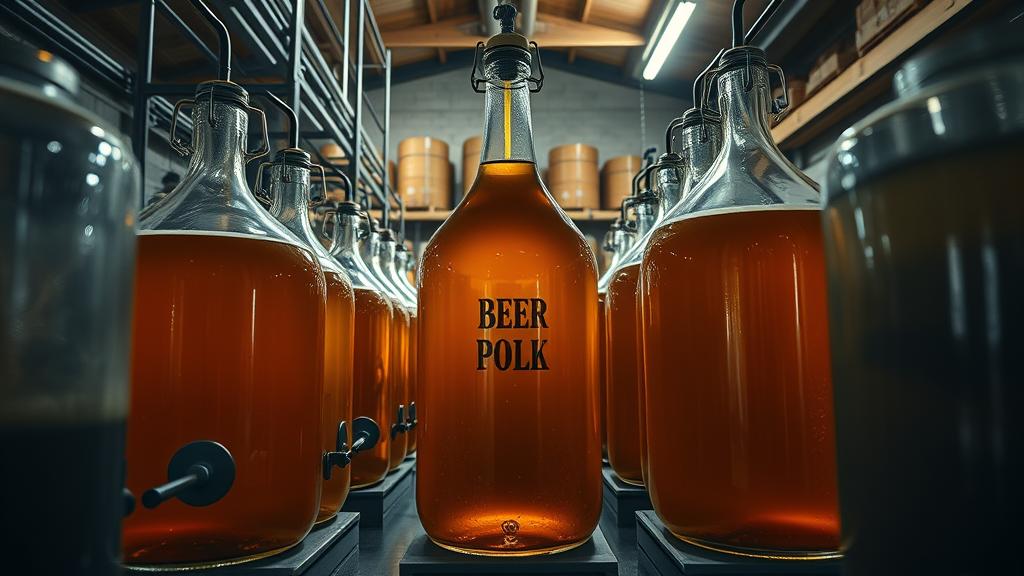
I leave the beer on primary yeast cake for 4–6 weeks, resisting the urge to rack early. Yeast-washing allows reuse of the cake for lighter ales, but for barley wine, let it work. The extended contact supports slow fermentation and develops roundness you can’t rush.
Conditioning: The Invisible Hand
After primary fermentation completes (FG typically 1.010–1.015), you face a choice: bottle immediately, or condition in bulk.
Most commercial barley wines rest 6–12 months in tank before release. At home, you can approximate this with bottle conditioning using priming sugar, aiming for 2–2.5 volumes of CO₂. This carbonates the beer gently while allowing continued micro-oxidation and flavour integration.
I prime with 3.5g dextrose per 500ml bottle (roughly 2.2 volumes CO₂), then age bottles in a cool dark place (10–15°C / 50–59°F if possible) for 6–12 months. At six months, the beer begins to open up. At 12 months, rough edges smooth into something genuinely contemplative. At 3–5 years, if stored properly, it can rival commercial examples.
Tasting: Reading the Story
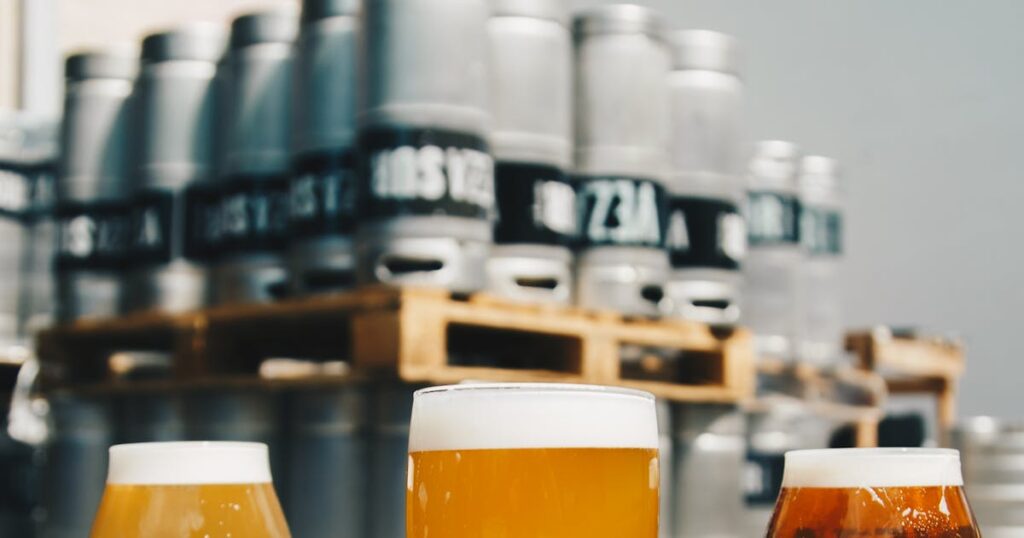
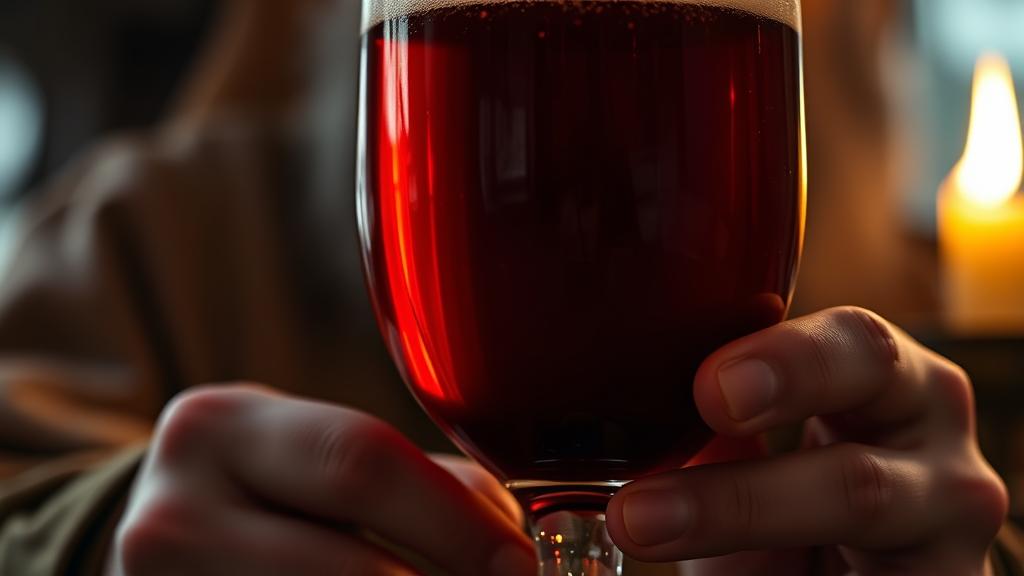
A properly aged barley wine should pour deep amber to copper, with a dense cream or tan head that lingers. The aroma should evolve: initial bready, caramel-forward notes giving way to dried fruit, dark chocolate, and subtle oak (even from neutral oak, oxidation introduces wood-like complexity).
The first sip should strike a balance: enough residual sweetness (1.010–1.015 FG) to feel luxurious, enough bitterness (50–60 IBU) to define structure, and enough alcohol warmth (9–12%) to remind you this isn’t a session beer. Body should be full, almost viscous. Flavour should layer: initial caramel and dark bread giving way to dried apricot, candied orange, dark chocolate, a whisper of leather, perhaps black licorice or liquorice root.
My recent batch (brewed March 2025) developed unexpected dark cherry notes by month eight—a complexity that emerged from time, not recipe. That’s the reward of patience.
Pro Tips and Common Disasters
Stuck Fermentation: If fermentation stalls at 1.025–1.030, don’t panic. Barley wine yeast needs time. Raise temperature 2–3°C, swirl the carboy gently, wait another week. If still stuck, you may have hit yeast stress—a low-aeration pitch at high gravity can cause this. Some brewers step-feed gravity on high-gravity beers, pitching extra yeast or wort to restart stuck fermentations.
Fusel Alcohol: Harsh, paint-thinner notes emerge if fermentation runs too warm. Prevention beats cure: pitch cool (18°C / 64°F), maintain temperature, ensure adequate aeration during the first 24–48 hours of fermentation.
Oxidation in Bottle: Barley wines oxidise faster than expected if exposed to light or stored warm. Keep bottles in a cool (10–15°C / 50–59°F), dark place. Some brewers cellar their barley wines like wine, horizontal, in darkness.
Bottling Challenge: At 1.012–1.015 FG, the beer still has fermentable sugar. Carbonation can creep to 2.8–3.0 volumes if stored warm. Bottle in a cool room, condition at 12°C (54°F) minimum, and check one bottle after a month to confirm carbonation. Counter-pressure bottling eliminates oxygen pickup if you have the equipment, though it’s overkill for most homebrewers.
Variations and Next-Level Experiments
Once you’ve mastered the classic, barley wine invites exploration. Barrel-aging a barley wine transforms the beer—oak and spirit residue integrate beautifully over 6–18 months. British oak is traditional; American oak adds vanilla and bourbon sweetness; French oak brings subtlety. A 20-litre batch in a 10-litre oak barrel ages quickly (flavour peaks at 3–6 months).
Fruit integration works too: dried apricots, plums, or sour cherries ferment into the beer during secondary, adding tartness that cuts the residual sweetness. Keep fruit additions to 250–500g per 20 litres—too much sours the beer beyond recognition.
Some brewers experiment with barley wine base + imperial spice: cinnamon, cardamom, black pepper added in secondary fermentation or post-fermentation infusion. These work, but they blur the style’s identity. For true spiced beers, consider a dedicated herbal approach rather than adulterating a classic.
Conclusion: Brewing Like a Benedictine
Barley wine teaches you the monastic virtue of patience. In a hobby obsessed with fresh-hopped pale ales and quick-turnaround fermentations, a beer that demands six months to shine feels subversive, almost meditative.
The first batch I brewed at home was a disaster—thin, hot, astringent. The second was better. The third, brewed to a proper recipe with precise temperature control and extended conditioning, was genuinely outstanding. I realised the beer wasn’t the problem; my haste was. Barley wine doesn’t reward rushed assumptions. It rewards attention, care, and the willingness to step back and let time do the work.
That’s the 2026 lesson, I think. As craft beer cycles back toward classic styles—toward English bitters, toward lagers, toward beers that age gracefully—barley wine offers the ultimate challenge: brewing a beer that improves over years, tasting it not for instant gratification but for the person you’ll be when it’s ready. It’s the antidote to the relentless now, one small pour at a time.
🍺 Join the Brotherhood — Monthly brews, stories & monk wisdom
Subscribe for exclusive recipes, early brew logs, and behind-the-scenes updates straight to your inbox.