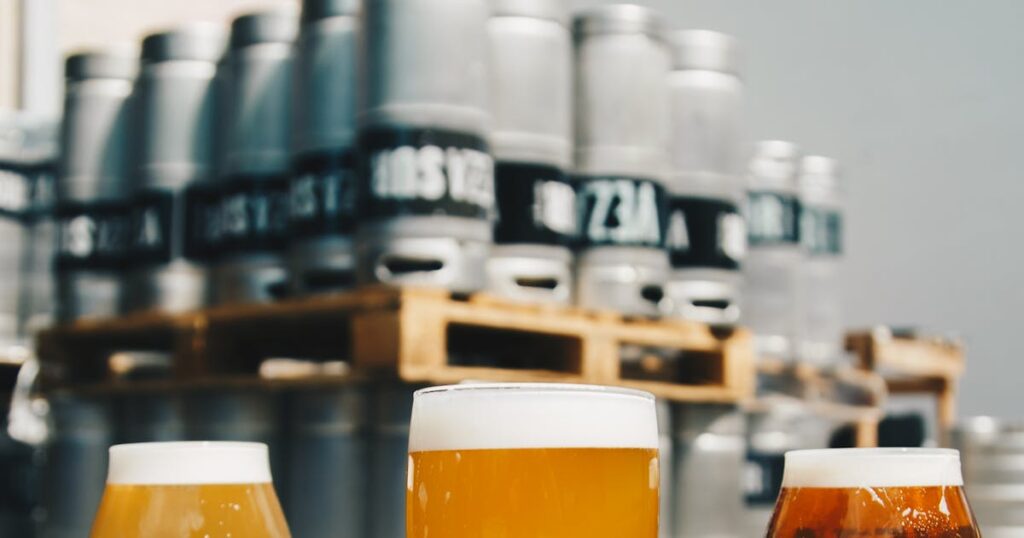
For years, the craft beer world has been drowning in haze. Murky, sweet, fruit-forward IPAs at 7–8% ABV dominated taps from Brooklyn to Bristol. They were easy to drink, easy to like, and harder to distinguish from one another. But in 2026, something is shifting. Brewers and drinkers alike are waking up to a forgotten classic: the West Coast IPA — crystal-clear, dry, aggressively bitter, and unapologetically piney.
This isn’t nostalgia. It’s rebellion. After years of hazes, milkshake IPAs, and fruit-bomb sours, the pendulum is swinging back toward restraint, clarity, and honesty. West Coast IPA is the anti-trend trend, and it’s exactly the kind of brew that challenges you to do something different at home.
I’ve been brewing beers for over a decade now, and I’ve never been more excited to return to this style. Let me show you how to brew a West Coast IPA that rivals the classics.
Why West Coast IPA Matters in 2026
The West Coast IPA emerged in the 1980s and ’90s from California breweries like Stone, Sierra Nevada, and Firestone Walker. The blueprint was simple: brilliant clarity, resinous hop bitterness in the 50–70 IBU range, clean malt backbone, and a bone-dry finish that demands another sip. No sugar. No fruit juice. No apologies.
For the last decade, this style was dismissed as “old” and “boring.” Hazy IPAs stole the spotlight. But that fatigue is real now. According to industry reports, consumers are tired of one-dimensional, cloying sours and 8% hazes that taste identical by the second pint. The complexity and bitterness of West Coast IPA — which pairs perfectly with clean fermentation techniques — feels like a fresh challenge.
Brewing West Coast IPA at home is also a masterclass in technique. You can’t hide behind fruit or haziness. Every flaw is visible. Every choice matters. The malt bill, the water chemistry, the hop variety, the fermentation temperature — they all shine through. It’s honest brewing.
Ingredients & Equipment
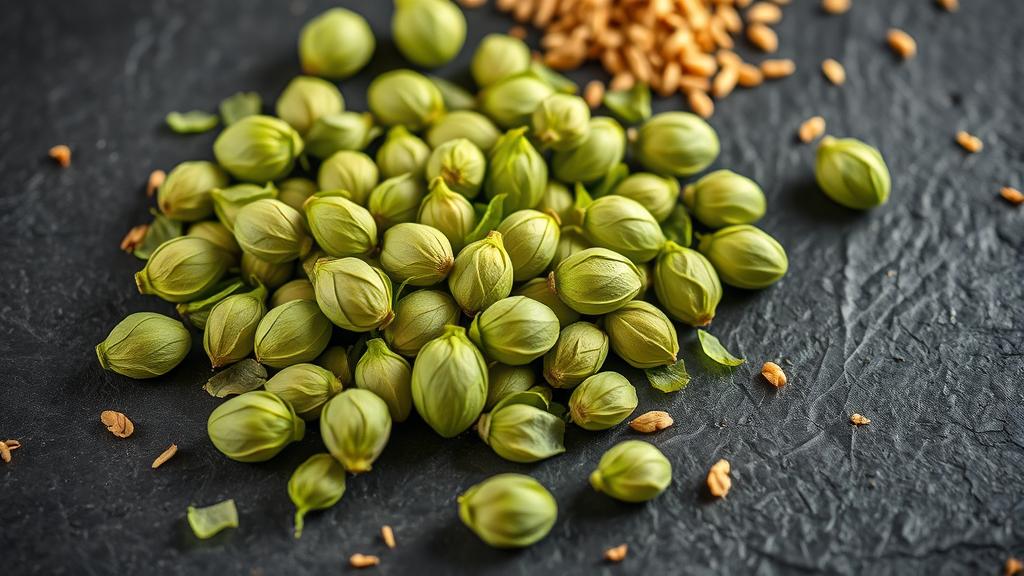
Here’s what you’ll need for a 20-litre (5 US gallon) batch:
Grains (Malt Bill)
- Pale Malt (2-Row): 4.5 kg (10 lb) — the foundation. Look for quality pale ale malt with a clean, slightly sweet profile.
- Crystal Malt (10L): 500 g (1.1 lb) — adds subtle caramel sweetness to balance the bitterness. Optional but recommended.
- Carapils (Dextrine Malt): 250 g (8 oz) — enhances head retention and body without colour.
Hops
- Bittering (60 min): 30 g (1 oz) Chinook or Columbus at ~11% alpha acid — the foundation of West Coast bitterness.
- Flavour (15 min): 15 g (0.5 oz) Cascade at ~7% alpha acid — earthy, noble notes.
- Aroma (0 min / Whirlpool): 30 g (1 oz) Cascade + 30 g (1 oz) Centennial — the signature pine and citrus character.
- Dry Hop (5 days): 30 g (1 oz) Centennial — bright, clean finish.
Other Ingredients
- Yeast: SafAle US-05 (Wyeast 1056) or WLP001 California Ale — clean, neutral fermentation.
- Water: 30 litres (8 US gallons) for mashing and sparging. Aim for soft to moderately hard water; West Coast IPAs do best without high sulphate.
- Calcium Chloride: Optional — ~150 ppm to emphasise hop flavour.
Equipment
- Brew kettle (30 litre / 8 US gallon minimum)
- Mashing vessel or cooler with false bottom
- Immersion chiller or plate chiller
- Hydrometer and thermometer
- Fermentation vessel (carboy, bucket, or conical)
- Airlock and bung
West Coast IPA rewards precision, so invest in a good thermometer. Temperature control is non-negotiable.
Step-by-Step Brew Day
1. Mashing (60–90 minutes)
Heat your mash water to 67°C (152°F). Add your crushed grains (pale malt, crystal, carapils) to achieve a mash temperature of 65–66°C (149–151°F). This slightly lower mash temperature promotes a drier, more fermentable wort — crucial for West Coast IPA.
Hold at this temperature for 90 minutes, stirring occasionally. Aim for a mash thickness of around 2.5 litres per kg of grain (1.25 qt/lb).
2. Lautering (45–60 minutes)
Raise your mash temperature slowly to 76–78°C (170–172°F) over 10 minutes for a mash-out. This improves efficiency and flow.
Run off your wort slowly into your kettle, keeping a height of about 2.5 cm (1 inch) above the grain bed. When you’ve run off roughly two-thirds of your wort, begin sparging with hot water at 76°C (170°F), continuing until you’ve collected about 30 litres (8 US gallons) of wort. Aim for an original gravity (OG) of around 1.062–1.068 (15–16.5 °Plato).
3. The Boil (60 minutes)
Bring your wort to a rolling boil and begin a 60-minute timer. The boil is where West Coast character is built.
@ 60 min (start): Add 30 g Chinook hops. This is your bittering charge — aim for around 50 IBUs. Take notes on the bitterness target; different hop varieties and storage conditions vary.
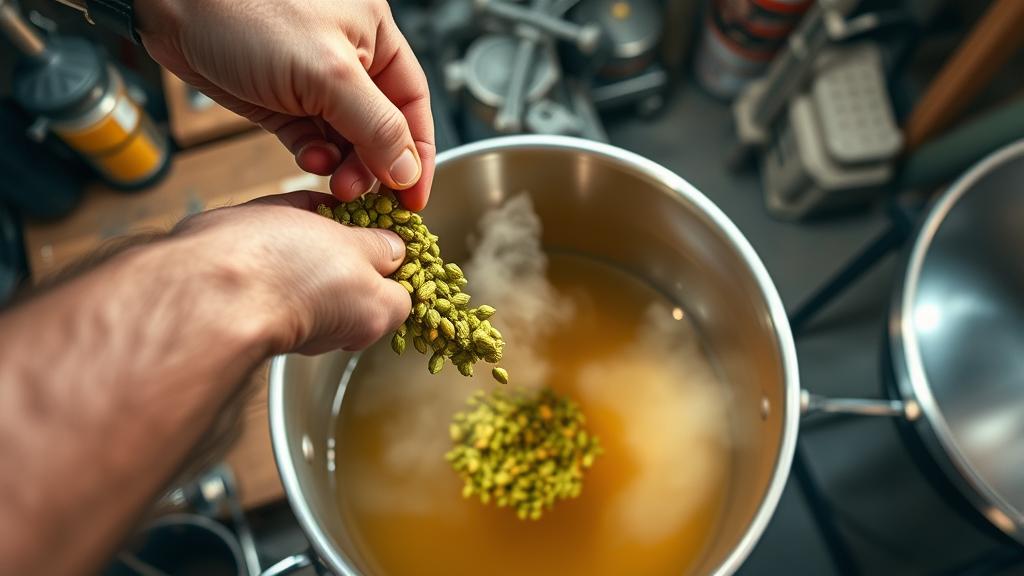
@ 15 min remaining: Add 15 g Cascade for flavour. This adds aromatic complexity without excessive bitterness.
@ 0 min (end of boil): Kill the heat and add 30 g Cascade + 30 g Centennial for the whirlpool. These are your aroma hops. Stir gently for 10 minutes to combine, then let the wort settle for 5–10 minutes. The swirling motion concentrates hop matter in the centre.
4. Cooling & Oxygenation
Chill your wort to 18–20°C (64–68°F) as quickly as possible using an immersion or plate chiller. Quick cooling helps preserve volatile hop aromatics and reduces the risk of infection.
Once cooled, transfer to your fermentation vessel and aerate thoroughly. Pitch your yeast (follow packet instructions for quantity and rehydration if using dry yeast).
Fermentation & Conditioning
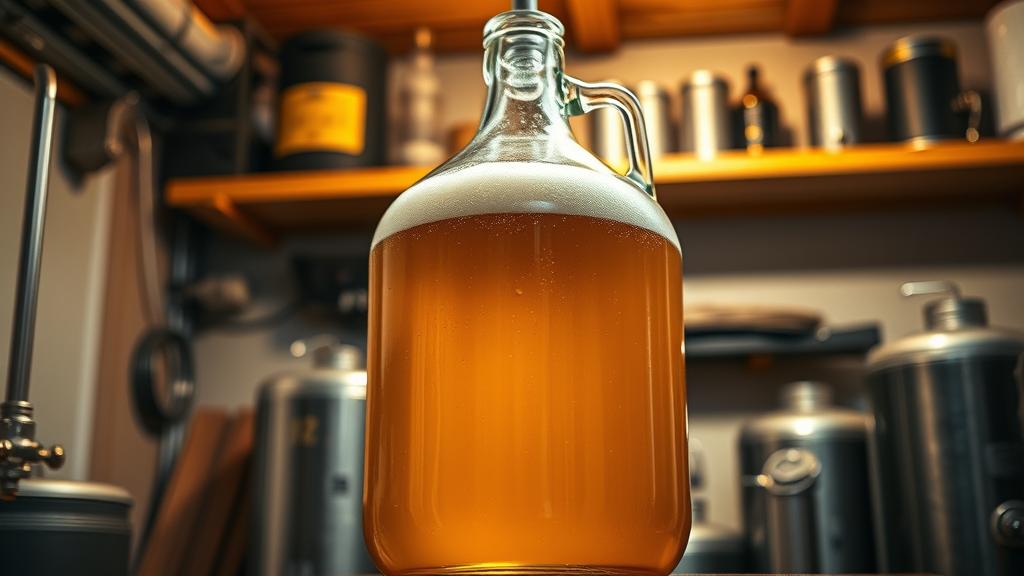
Temperature control during fermentation is crucial. SafAle US-05 and Wyeast 1056 perform best at 18–21°C (64–70°F). Anything hotter and you risk ester production that muddies the hop character. Anything cooler and fermentation stalls.
You should see visible activity within 8–12 hours. The fermentation will be vigorous for the first 5–7 days, then slow down. Unlike stouts or darker ales, you want a clean, uneventful fermentation — no wild yeast, no off-flavours.
After 10 days, when the gravity has dropped to around 1.012–1.015 (3–4 °Plato), it’s time for dry hopping. Transfer your beer to a secondary vessel or add a hop bag directly to your fermenter with 30 g of Centennial hops. Leave these in contact for 5 days at the same temperature, then remove and let it settle.
Total fermentation time: about 18–21 days from pitch to packaging.
Tasting Notes & My Honest Review
When I brewed my first West Coast IPA in this style, I was nervous. The bitterness seemed aggressive on paper. 50+ IBUs feels like a lot if you’ve spent the last five years on New England IPAs.
But the first sip changed my mind. The nose hits you with pine, citrus zest, and a hint of resin — very clean, very dry. There’s zero fruitiness or haze. The mouthfeel is crisp and snappy. The bitterness arrives mid-palate, not harsh but assertive, with a lingering dry finish that makes you want to take another sip immediately. The flavour is bright and clear, with no murk or funk.
It’s the kind of beer you can drink four of at a dinner and still be sharp. It challenges your palate. It’s honest.
The beauty of West Coast IPA is that it ages gracefully. Even without barrel ageing, bottle conditioning for 2–3 weeks at room temperature lets the flavours marry and mellow slightly. The pine notes soften, the citrus becomes more rounded, and the bitterness feels more integrated.
Pro Tips & Common Mistakes
1. Water Chemistry Matters More Than You Think
West Coast IPAs shine in soft to moderately hard water. If you have very hard water with high sulphate, your hops will taste harsh and unpleasant. Consider diluting your brewing water or using distilled water blended with tap water.
2. Don’t Skimp on Hop Freshness
Stale hops are the enemy here. Buy from a supplier with fast turnover like The Malt Miller, Geterbrewed, or BrewUK. Old hops lose their character and can taste musty or harsh.
3. Temperature Control is Non-Negotiable
A 2–3°C swing during fermentation can ruin the yeast’s clean performance. Invest in a thermowell and a temperature controller if you don’t have one.
4. Don’t Oversalt the Aroma Additions
If you add too many hops in the whirlpool and dry hop, you can push the bitterness and resin into astringency. Stick to the recipe the first time, then adjust up or down in future brews.
5. Clarity Requires Technique
Chill break and trub (the settled solids at the bottom) are your friends. A good whirlpool, followed by a slow, controlled transfer from your kettle to your fermenter, will give you brilliant clarity. If you’re getting hazes, you may be picking up yeast or proteins during the transfer.
Variations & Next-Level Experiments
Once you’ve nailed the foundation, here are ways to push the style:
- Imperial West Coast IPA: Push the OG to 1.075–1.080 (18–19 °Plato) and increase all hop charges proportionally. You get more body, more alcohol, and more hop character.
- Session West Coast: Drop the OG to 1.048–1.052 (12–13 °Plato) and reduce hop additions slightly. You get all the character at 4.5–5.5% ABV — perfect for spring and early summer.
- Cold Water Mash West Coast: For a more assertive bitterness, mash at 63–64°C (145–147°F). The lower temperature produces a drier, more fermentable wort and emphasises hop bitterness.
- Single-Hop West Coast: Pick one hop variety — Cascade, Centennial, or Chinook alone — for the entire recipe. This teaches you what each hop contributes and is humbling in the best way.
Conclusion: The Return of Honest Brewing
West Coast IPA isn’t a revolution. It’s a return to brewing fundamentals: quality grains, fresh hops, clean fermentation, and technique. No gimmicks. No hype. Just a beer that tastes like what it claims to be.
In 2026, when craft beer feels bloated with fruitiness and sweet confusion, brewing a West Coast IPA is an act of defiance. It’s saying: “I believe in clarity. I believe in bitterness. I believe in restraint.”
If you’ve never brewed one, this year is the time. The style is back, the drinkers are ready, and the brewing is straightforward enough for beginners but complex enough for veterans to explore for a lifetime.
Now go brew something clear, bitter, and brilliant.
🍺 Join the Brotherhood — Monthly brews, stories & monk wisdom
Subscribe for exclusive recipes, early brew logs, and behind-the-scenes updates straight to your inbox.