Botanical Saison Mastery: Brew Herbal & Spiced Belgian-Style Beers at Home
The craft beer world is experiencing a quiet revolution. After a decade of pastry stouts and double IPAs that ruin tomorrow’s alarm, drinkers are rediscovering balance, restraint, and genuine craftsmanship. And one style sits perfectly at the intersection of tradition, experimentation, and pure drinkability: the Belgian Saison.
But here’s the thing — Saisons aren’t just about Belgian yeast and a handful of noble hops anymore. In 2026, the most exciting brewing happening in garage breweries and craft taprooms involves herbal infusions and botanical additions that transform a classic Saison into something genuinely distinctive. Think fresh basil, thyme, chamomile, coriander — ingredients that sound more like a gourmet kitchen than a beer kettle, yet create beers that are absolutely *alive* on the palate.
I’ve been brewing Saisons for the better part of five years now. I’ve made them crisp and peppery. I’ve made them fruity. But the moment I started experimenting with botanicals — pulling inspiration from the botanical brewing revolution that’s reshaping craft beer — everything changed. Suddenly, these beers had personality. Terroir. Stories.
Here’s your complete guide to brewing Botanical Saisons at home, with the confidence and knowledge of someone who’s made every mistake in the book.
Why Saisons Are Having a Moment in 2026
Saisons have roots in Belgian farmhouse brewing, traditionally brewed by Walloon farmers as refreshment for seasonal workers. The beer was supposed to be light, efficient to brew with what was on hand, and absolutely crushable. These days, that philosophy feels revolutionary.
With lagers making their historic comeback and consumers openly tired of hype-driven extremes, Saisons offer something brilliant: complexity *without* heaviness. Low to moderate ABV. A naturally spicy, slightly tart character. Finesse. And when you layer botanicals into the mix, you get beers that feel designed for 2026 — flavour-forward, intentional, local where possible, and genuinely different from what the macro breweries are pushing.
Essential Ingredients & Equipment
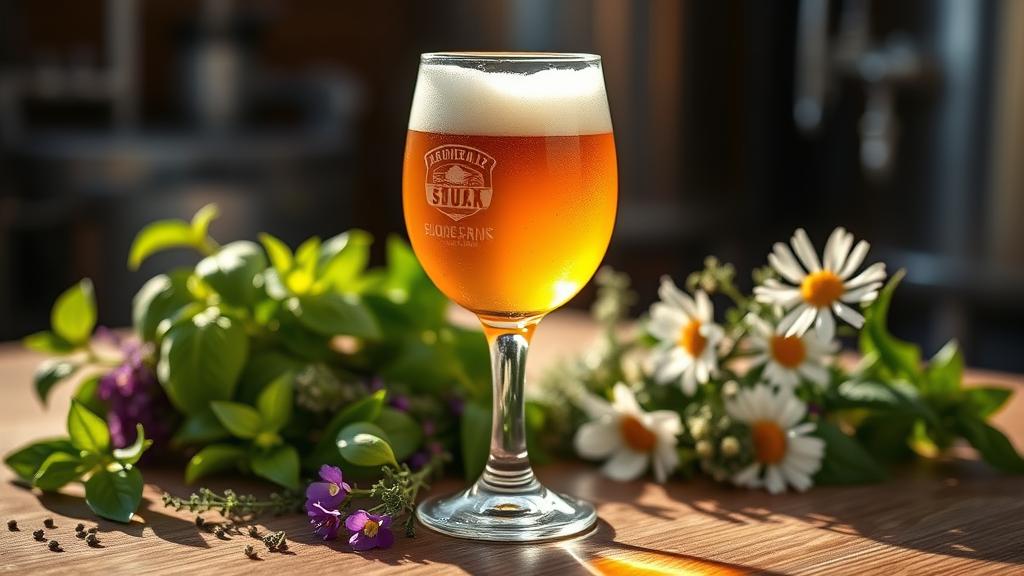
Let’s start with what goes in the kettle. A base Saison recipe is straightforward — we’re talking Pilsner malt (about 80%), some Wheat malt for body, maybe some Pils or Munich for depth. The magic happens with the botanicals.
Botanicals to Consider:
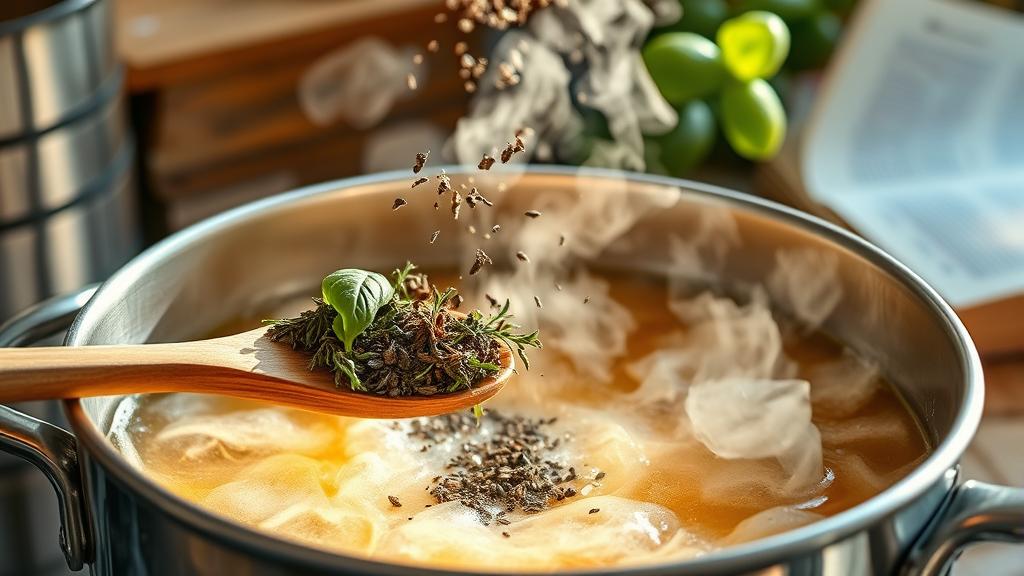
- Basil — Fresh adds bright, peppery notes. Use roughly 10-15g per 20-litre batch, added in the last few minutes of the boil or during whirlpool
- Thyme — Dried thyme is safer and more predictable (5-8g). It’s subtle, slightly woody
- Chamomile — Floral, soothing. 10-12g of dried flowers adds complexity without harshness
- Coriander Seeds — Toasted and crushed, about 8-10g gives spice and citrus notes
- Orange Peel — Dried, about 10g. Adds bright acidity and aroma
Yeast: You need a proper Saison strain. I’m loyal to Wyeast 3711 French Saison or White Labs WLP565 Belgian Saison. Both ferment warm (70–77°C / 21–25°C), produce spicy esters naturally, and handle botanicals brilliantly. Avoid temperature control if you can — Saisons *want* warmth. For detailed yeast strain specs, the BJCP Beer Style Guidelines provide comprehensive references on fermentation characteristics.
Equipment: Standard homebrewing setup, but one thing matters: get a hop net or mesh bag for the botanicals. You don’t want herb fragments in your finished beer. A 20-litre (5 US gallon) batch size is comfortable for experimentation without breaking the bank. Quality malt and hops from retailers like The Malt Miller or Geterbrewed make a measurable difference in botanical beer clarity and aroma retention.

Brew Day: Step-by-Step
1. Mash (60 minutes, 65-67°C / 149-152°F):
Infusion mash. Bring your strike water to 75°C (167°F), mix in your grist (roughly 70% Pilsner, 20% Wheat, 10% Munich), and hold at 65–67°C. The lower end produces more fermentable beer; the higher end gives body. I tend toward 66°C for the herbal angle — you want enough body to carry the botanical notes.
2. Boil (90 minutes total):
- 60 min: Add bittering hops (20-25 IBU). Magnum or Hallertau Magnum if you want clean bittering
- 15 min: Aroma hops (10g Saaz or Hallertau). Keep it subtle
- 5 min: Add your botanicals here. Whirlpool for 10 minutes
- Flameout: Chill to 65°C (149°F), let sit 20 minutes to let herb sediment settle
3. Cool & Pitch:
Get your wort down to 20°C (68°F) — cold-side discipline matters. Pitch a healthy starter of your Saison yeast. This isn’t the place for under-pitching.
Fermentation: The Real Magic
Here’s where Saisons diverge from your typical ale recipe. You’re *not* looking for clean fermentation. You want a bit of heat.
- Days 1–4: Let it rip at 22°C (72°F). Vigorous fermentation, krausen on top, the yeast doing its thing. This is normal and desired
- Day 4 onward: Gradually let the temperature rise to 27°C (81°F) if your environment allows. Many Belgian homebrewers use a belt or just let summer conditions do the work. The yeast produces more spicy esters at higher temps — this is where your peppery, clove-like character develops
- Days 10–12: Fermentation slows. Take a gravity reading. Once it’s stable, consider a secondary addition of fresh botanicals
Secondary Botanical Additions (Optional but Recommended):
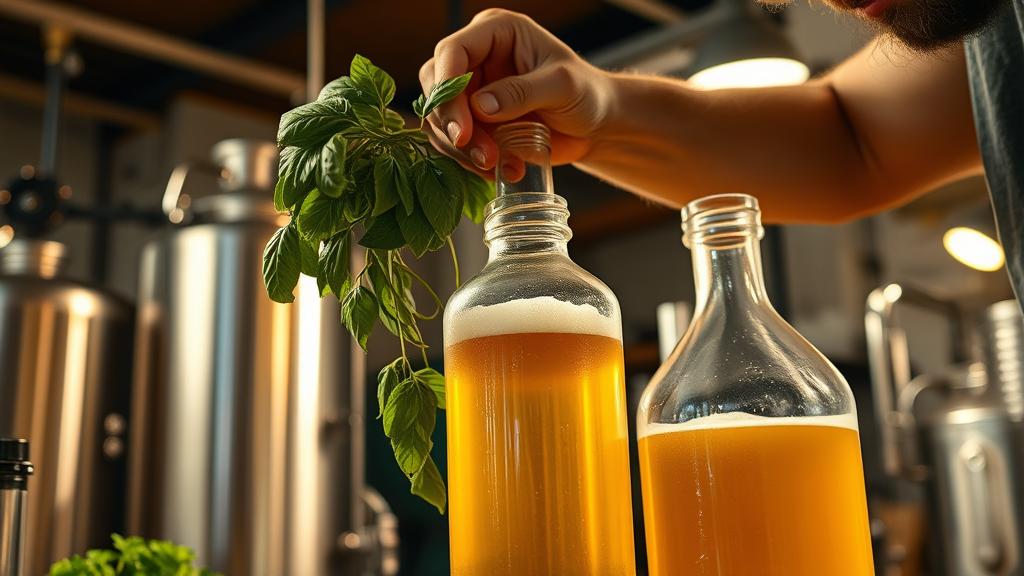
After primary fermentation, rack to a secondary carboy and add a small amount of fresh botanicals (5-8g of fresh basil, a pinch of dried thyme). Let this steep for 3–5 days. This gives you more control over the botanical character — primary additions can be lost in the vigour of fermentation, but secondary additions shine through clearly.
My honest take: I’ve made Botanical Saisons both ways. Secondary additions create a cleaner, more pronounced herb character. Primary additions are subtler, more integrated. Pick based on your intent.
Conditioning & Carbonation
Saisons dry out naturally (yeast can take gravity down to 1.005 or below), so don’t be alarmed. Bottle or keg at this point — the beer is *done*.
Bottling: Prime with 2.5 volumes of CO₂ (about 5.5g of dextrose per litre). Saisons are traditionally bottle-conditioned, and this is where they truly shine. Condition for 3–4 weeks at room temperature (around 20°C). Secondary yeast activity will add more complexity.
Kegging: Carbonate to 2.7–3.0 volumes. I prefer keg conditioning over force-carbing for Saisons — slower pressure, more subtle development. Force-carb if you’re impatient (who isn’t?), but be gentle with the botanicals. Aggressive carbonation can blow out subtle herbal notes.
Tasting Notes & Honest Assessment
Your first Botanical Saison should taste like this:
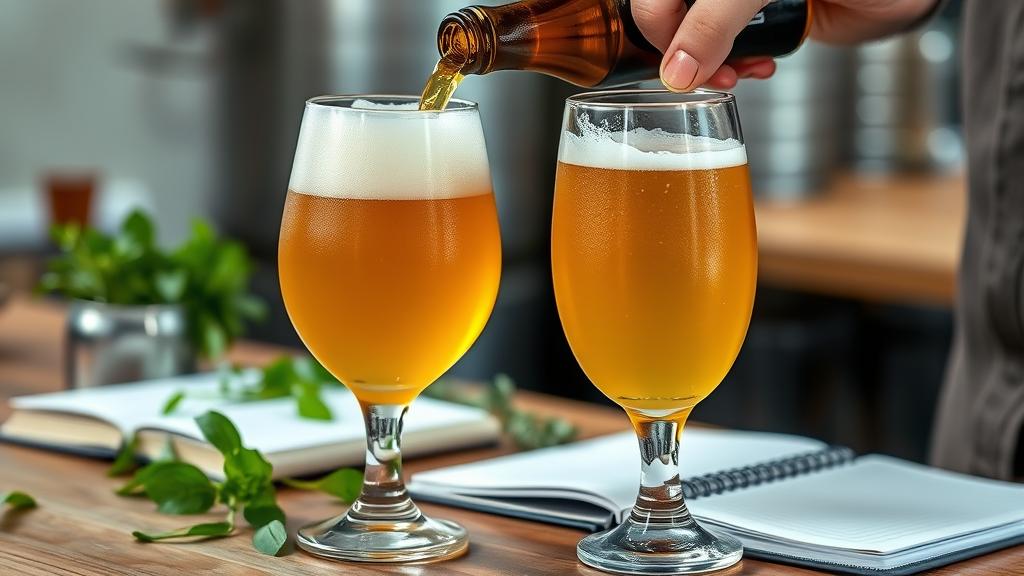
- Appearance: Golden to pale amber. Clear (you nailed that herb separation step, yes?). Fluffy, white head that lasts because of the wheat malt
- Aroma: Fruity esters (pear, sometimes banana), combined with your botanical notes. Basil should be recognizable but not dominating. Thyme should whisper. Chamomile might add a subtle floral sweetness
- Taste: Crisp, dry finish. The yeast spice (clove, pepper) should harmonize with your botanicals, not fight them. You should be able to take two, three, four pints without fatigue. This is *not* an imperial. This is a 6.2% beer that drinks like it’s 4.5%
- Mouthfeel: Light to medium. Clean. Slightly peppery burn on the back of the throat — that’s the yeast, not harshness
If your botanical Saison tastes like boiled lawn clippings, you over-added. If it tastes generic, you under-added or used the wrong botanicals. This is where understanding low-ABV brewing fundamentals comes in handy — when you’re working with lighter, more delicate beers, every gram of ingredient matters.
Pro Tips & Common Mistakes
Mistake #1: Using Fresh Botanicals Without Sanitizing
Fresh herbs carry bacteria. Always sanitise in a brief star-san dip or blanch lightly in boiling water before adding to secondary. Learn from my first batch: three weeks of beautiful fermentation ruined by a green apple acetyl character. It was an infection, and it was entirely my fault.
Mistake #2: Over-Botanizing
More isn’t better. A botanical Saison is still a *Saison*. The herb should complement the yeast character, not obliterate it. Start with 10g, taste, adjust next batch. This is why you’re a homebrewer, not a chemist.
Mistake #3: Ignoring Temperature Control
Saisons fermented at 18°C produce clean, fruity beers. Saisons fermented at 28°C produce spicy, complex monsters. Pick your lane and commit. If you can’t maintain temperature, embrace it — summer Saisons are a thing for a reason.
Pro Tip: Pair with Food
A basil-forward Botanical Saison is absolutely transcendent with Mediterranean food — feta, olives, tomatoes, grilled vegetables. A thyme Saison pairs with roasted chicken or game. Chamomile Saisons go with delicate seafood. Your botanicals should hint at how to drink it.
Variations & Next-Level Experiments
Once you’ve nailed the base Botanical Saison, the experimentation becomes genuinely fun:
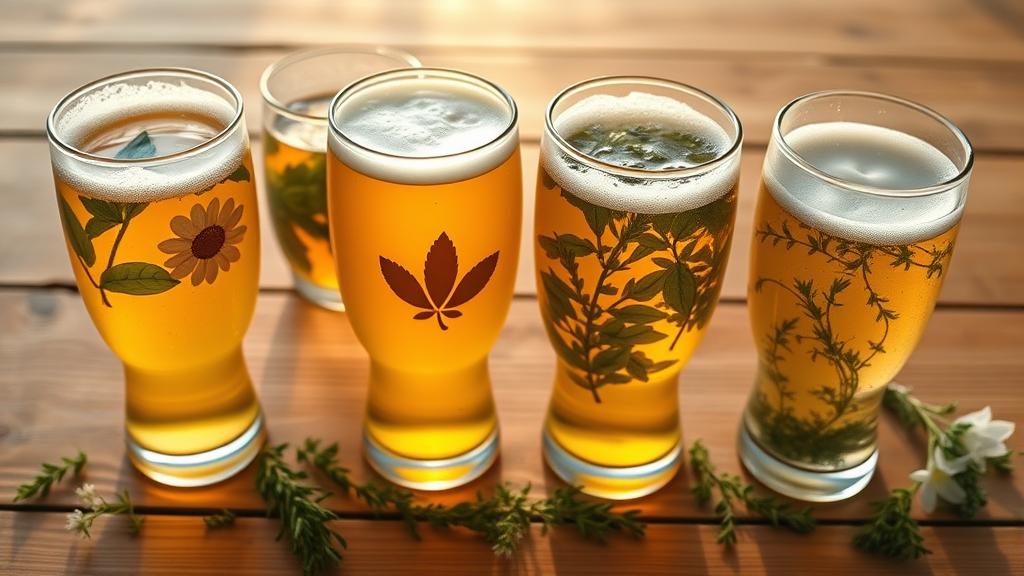
- Herbal Blend: Combine three botanicals in calculated ratios. My current house recipe is 8g basil, 4g thyme, 2g chamomile per 20L. It’s balanced, complex, and absolutely crushable
- Fruit & Herb Hybrid: Add 500g of fresh berries (blackcurrant, raspberry) and pair with complementary herbs. A raspberry-thyme Saison is genuinely stunning
- Spiced Saison: Forget fresh botanicals. Use toasted coriander, cardamom, star anise. This edges into Witbier territory but with Saison yeast intensity
- Local Botanicals: What grows near you? Wild mint? Rosemary? Forager’s Saison could be your signature brew. Just be absolutely certain of your ID before anything touches your beer
- Extended Aging: Botanical Saisons bottle-condition beautifully. Age one for six months. The botanicals will integrate further, and you’ll see new flavour layers emerge
Batch #47 in my brewing log was a “garden cleanup” Saison where I used everything fragrant in my back garden. It was a disaster — too muddled, too green. But I learned more from that disaster than from ten perfect batches. This is homebrewing at its best: embracing experimentation and spontaneity while honouring the fundamentals.
Why This Matters Right Now
In 2026, brewing a Botanical Saison isn’t just making beer — it’s making a statement. You’re stepping away from the trend-chasing madness that defined the early 2020s. You’re brewing something that tastes good, sits well in the body, and respects both tradition and innovation. You’re using local ingredients where you can (grow your own herbs, not too hard). You’re making something you’d genuinely want to share with friends on a summer evening.
The best Botanical Saison I’ve made was 18 months ago — a limited batch with fresh basil from our garden, brewed on a Saturday morning with my brother. We didn’t share it widely. We didn’t write some grandiose tasting note. We just drank it slowly, over several weeks, and talked about how proper craftsmanship feels effortless when it’s done right.
That’s the goal. Not hype. Not alcohol percentage. Just good, honest, thoughtful beer.
Final Thoughts
Botanical Saisons represent the future of homebrewing: intention over extremism, balance over imbalance, story over metrics. Your first batch might not be perfect. Your second will be better. By your fifth batch of Botanical Saison, you’ll have found your expression, your botanical signature, and you’ll understand why Belgian farmers were on to something brilliant 200 years ago.
Brew this summer. Be patient. Be methodical. But most importantly, be curious.
Have you brewed a botanical Saison? What botanicals worked? What failed spectacularly? Leave your experience in the comments — real brewers sharing real results is how we all improve.
🍺 Join the Brotherhood — Monthly brews, stories & monk wisdom
Subscribe for exclusive recipes, early brew logs, and behind-the-scenes updates straight to your inbox.