Mojito Beer Mastery: Brewing Herbaceous Cocktail-Inspired Ales at Home
2026 has brought something refreshing to the homebrew bench: the rise of cocktail-inspired beers. Not the saccharine fruit bombs of years past, but clean, sessionable ales that borrow the soul of classics—mojito, margarita, spritz—and translate them into something genuinely drinkable at 4–5.5% ABV. Fresh basil, lime zest, mint, thyme: these aren’t garnishes anymore. They’re honest ingredients in honest beer.
I first tried this after stumbling through Instagram on a June afternoon, seeing craft breweries in London and Brighton suddenly posting mojito-beer flights. It looked pretentious at first. Then I tasted one: a pale ale with real lime, fresh basil, and just enough bitterness to balance the herbal lift. I drank three. And so I started experimenting at home.
This isn’t a gimmick. It’s the natural evolution of how we brew now—beyond pastry sours and adjunct chaos, back to technique and flavour balance. Here’s how I brew them.
Why Mojito Beer Matters in 2026
The trend is real. According to recent drink trends analysis, consumers—especially younger adults in the UK—are moving toward lighter, more sessionable beers with aromatic herbs, fruit, and refreshment at the forefront. Gone are the days of forcing down an 8% dessert sour packed with lactose. In its place: a 4.5% ale that tastes like a drink, not a dessert course.
This aligns with the broader 2026 theme: drinkability and connection. People aren’t chasing extreme flavours anymore. They’re chasing the feeling of sitting outdoors on a warm evening with a drink they actually want to finish.
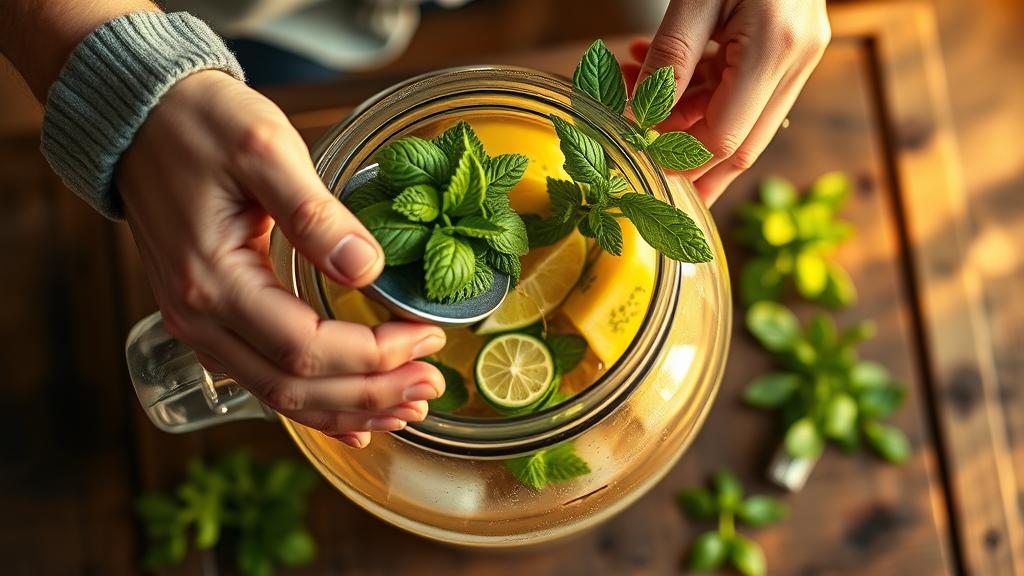
What makes a mojito beer work is restraint. The base must be clean—a well-executed pale ale or blonde ale, nothing too bitter, nothing muddled. The herbs and citrus are the feature, not the fix for a poorly made beer. This is why technique matters more than novelty. It’s similar to how brewers approach herbal ale brewing with garden botanicals—when botanicals are the feature, the base must shine.
Ingredients & Equipment
For a 20-litre batch, you’ll need a pale ale base that’s slightly lower in IBU than a traditional West Coast IPA. I target around 30–35 IBU, enough for structure and balance, but not so much that it overpowers the herbs.
Malt Bill (for a clean pale base)
- 3.5 kg Pale Malt (2-row or Maris Otter for British style)
- 0.5 kg Munich Malt (10 L) — adds subtle sweetness
- 0.25 kg Carapils — for head retention (important with herbal additions)
Hops
- 15g Challenger or East Kent Goldings at 60 min (bittering)
- 10g Cascade or Citra at 15 min (aroma)
- No whirlpool hops — keep it clean
Botanicals (the stars)
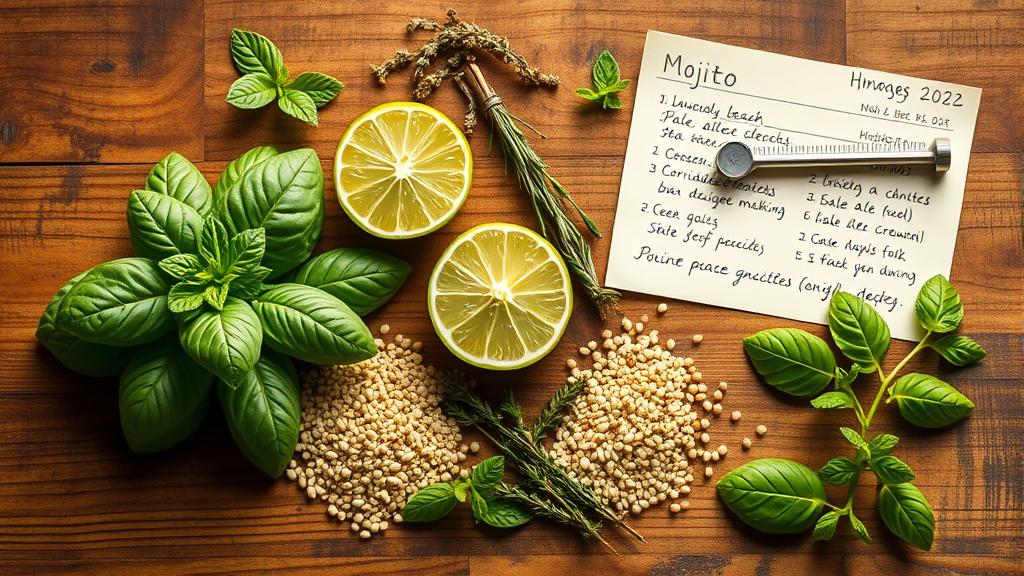
- 15g dried basil (food-grade, not medicinal)
- 10g dried thyme
- Zest of 3 fresh limes (added post-boil in secondary)
- Optional: 5g dried chamomile for floral lift
For botanicals, sourcing is crucial. I’ve had success with Joseph Flach (wholesale-grade dried herbs) and Mimea (speciality brewing botanicals). Food-grade dried herbs from a supermarket work in a pinch, but professional suppliers offer cleaner, more consistent flavour.
Yeast
- Wyeast 1056 (American Ale) or SafAle US-05 — clean, neutral attenuation
- Pitched at 18–20°C for a slower, crisper fermentation
Water & Equipment
- 20 litres of tap water (no major adjustments needed for this style)
- Standard 20L fermenter, airlock
- Fine-mesh steeping bag for secondary additions (herbs & zest)
- Bottling bucket with priming sugar (or keg if you have one)
The equipment is straightforward. What matters is keeping everything clean—oxidation ruins delicate herbal notes. I use a The Malled Miller Oxi-action sanitiser for extra peace of mind during secondary additions.
Step-by-Step Brew Day
Mash & Sparge
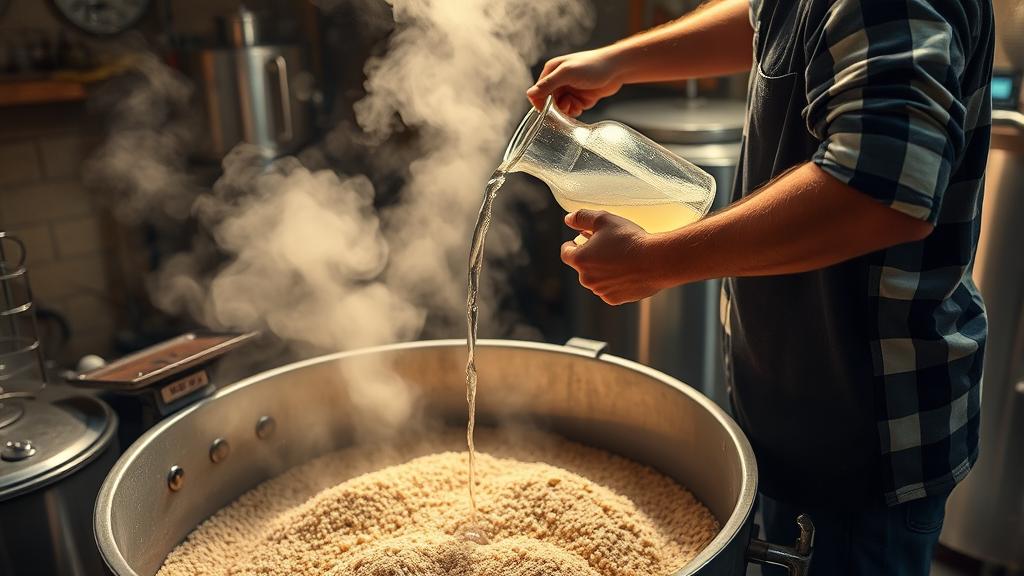
- Heat 50 litres of water to 66°C (151°F).
- Crush your grains (about 4.25 kg total) and rest for 10 minutes.
- Dough in at 65°C, aiming for a mash of 54°C (129°F). Rest for 90 minutes, stirring every 15.
- Sparge with 51°C (124°F) water until you’ve collected 28 litres.
The lower mash temperature (compared to traditional ales) is intentional—it promotes fermentability, so you end with a drier, crisper finish. This lets the herbs shine without the beer tasting thin.
Boil
- Bring wort to a rolling boil. Add 15g Challenger or East Kent Goldings at the start (60-minute mark).
- At 15 minutes, add 10g Cascade (or Citra if you prefer a citrus-forward character).
- At 5 minutes, you can add a small pinch of salt (0.2g) — mojito tradition, but optional. I skip it, since lime and botanicals provide enough salt perception.
- At flame-out, turn off heat and let it cool to below 25°C. This takes about 30 minutes in a cold-water bath.
The 60-minute bittering charge sets the structure. The 15-minute charge is for aroma, but it’s subtle—we don’t want aggressive citrus hops. We want the fresh lime and basil to lead.
Fermentation (Primary, 10–12 days)
- Cool to 18–20°C. Pitch your yeast (rehydrate US-05 if using dry yeast).
- Ferment at 18°C for 10–12 days. At this cooler temperature, Ale yeast works slowly, producing fewer esters and a cleaner profile.
- When gravity drops to 1.008–1.010 (measured with your hydrometer), you’re ready for secondary.
Secondary Fermentation & Herbal Additions (5–7 days)
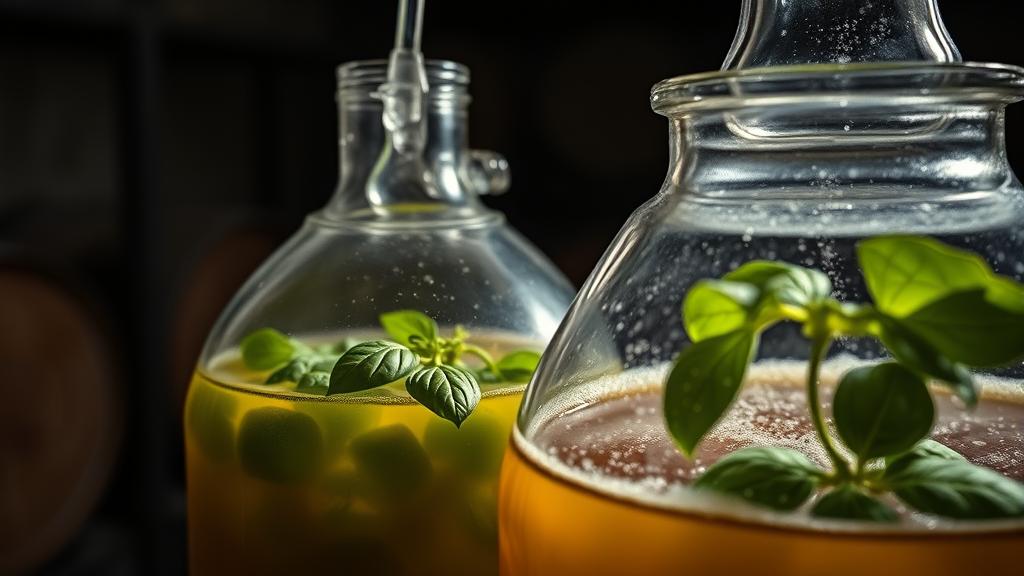
This is where the magic happens. You’ll rack to a secondary fermenter and add your fresh botanicals.
Preparing Botanicals
- Weigh 15g of dried basil and 10g of dried thyme.
- Place them in a fine-mesh steeping bag. Do not boil—heat destroys delicate herbal oils. Infuse cold or lukewarm.
- Zest 3 fresh limes (avoid the white pith—it’s bitter) and add to the bag.
- Sanitise the bag and any tools with Star-San or similar.
Racking & Infusion
- Siphon your beer from the primary into the secondary, leaving the trub behind.
- Gently lower the herbal bag into the secondary.
- Seal the secondary with an airlock. A small amount of fermentation will continue (residual yeast will clean up any oxygen introduced during the transfer).
- Let it sit at cellar temperature (13–16°C) for 5–7 days. Taste at day 5: if the herbs feel fresh and integrated, you’re done. If they feel raw, give it another 2 days.
Timing is critical here. I’ve over-steeped basil before and ended up with a soapy, medicinal beer. Under-steep, and the herbs don’t shine. Five to seven days is the sweet spot for my palate—yours may vary.
Conditioning & Carbonation
- After secondary, transfer to a bottling bucket (or purge your keg with CO₂).
- Add 100g of dextrose (corn sugar) dissolved in 100ml of boiled water for bottle priming. This gives you about 2.3 volumes of CO₂—perfect for a crisp carbonation that lifts the herbal aromatics.
- Bottle in clean 500ml or 330ml bottles, cap, and leave in a warm room (18–21°C) for 2 weeks.
- Then move to the fridge. The beer is ready to drink immediately, but improves over 4–6 weeks as the herbal notes settle and integrate.
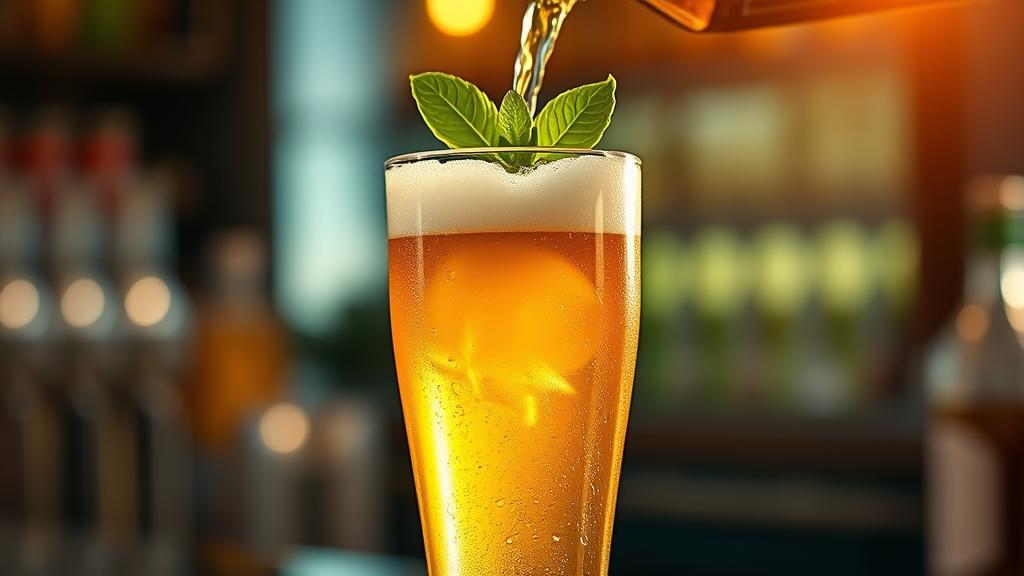
If you keg: force-carb to 2.4 volumes of CO₂ and serve cold at 4–6°C. Chill glassware—mojito beer shines in a tall glass with ice (though at home, I skip the ice to avoid dilution).
Tasting Notes & Honest Review
My first batch: golden-amber in colour, dense head with staying power (thanks to the Carapils). The nose is immediate—fresh basil and lime zest leap out. The first sip is clean: the pale malt base is clear, slightly sweet but not cloying. Then the herbs arrive—basil is prominent, thyme is subtle, lime rides underneath, bright and lifting. The finish is dry and herbal, with no oxidation or harshness. ABV sits around 4.7%, so you can drink two or three without regret.
Where it excels: on a warm evening, outdoors, in company. It’s a conversation beer, not a solo meditation. It pairs naturally with light food—fish, salad, grilled chicken, seafood—without demanding attention.
Where it falls short: if you’re seeking bold hop character or extreme flavour, this isn’t your beer. It’s restrained by design. And if your palate doesn’t gravitate toward herbs, you won’t understand the appeal.
Pro Tips & Common Mistakes
Mistakes I’ve Made
- Over-steeping herbs: Dried basil left for 10+ days turns soapy and medicinal. Stick to 5–7 days max. Taste at day 5.
- Using ground herbs instead of whole: Ground releases bitter dust. Use whole leaves or zest only.
- Adding herbs during the boil: Heat destroys the delicate oils. Always add in secondary.
- Oxidising during secondary transfer: Gentle siphoning. No splashing. Oxidation kills the fresh herbal character.
- Over-carbonating: Too much CO₂ blows the herbal notes to shreds. Aim for 2.2–2.4 volumes.
Pro Tips
- Freeze-dry your lime zest first: If you want more lime character without extra liquid, dry your zest in a low oven (50°C / 122°F for 3–4 hours) before adding to secondary. It concentrates flavour without dilution.
- Experiment with timing: Add basil for days 1–3 of secondary, thyme for days 4–7. This staggered infusion lets each herb reveal itself.
- Consider a cold steep: For even more delicate herbal character, prepare an ice bath and cold-steep your botanicals in a small volume of finished beer for 24 hours, then blend back in. This preserves volatile oils.
- Serve in glassware that traps aroma: A tulip glass or wine glass works better than a pint. The herbal aromatics open up.
- Age it gently: Unlike hoppy IPAs, this beer doesn’t improve dramatically over time. Drink within 3 months of packaging. For comparison, see how Berliner Weisse and other summer sours are similarly best fresh.
Variations & Next-Level Experiments
Once you’ve nailed the base, here are some directions worth exploring:
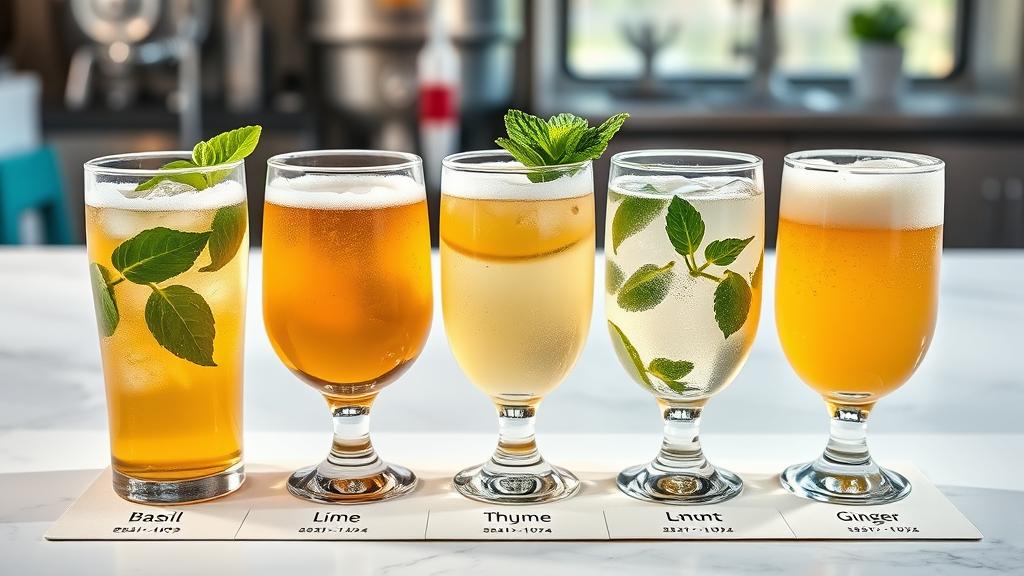
Thyme & Lemon (The Mediterranean)
- Skip the basil. Use 15g dried thyme and zest of 3 lemons instead of limes.
- Add 5g dried chamomile for floral depth.
- Brew the same pale ale base. The result is more herbal, slightly drier, with a tea-like elegance.
Mint & Ginger (The Spiced Refresher)
- Use 10g dried peppermint and 10g fresh ginger (sliced thinly, then dried or used fresh in secondary).
- Reduce lime to 1 lime zest (ginger can overpower).
- This one skews toward a ginger-beer character—sessionable but warming.
Margarita-Style (Agave & Citrus)
- Brew the same pale ale but add a small amount of agave nectar (50g) to the mash. This adds subtle sweetness and slightly boosts ABV to 5%.
- Use lime and a pinch of sea salt (0.3g) in secondary.
- Optional: add 5g dried coriander seed for spice.
- Serve with a thin rim of salt on the glass (mojito tradition).
The key with all variations: keep the base clean and the additions restrained. A cocktail-inspired beer isn’t a dumping ground for ingredients. It’s a considered translation of a classic drink into beer form. This philosophy mirrors citrus wheat ale brewing, where restraint defines elegance.
Conclusion: The Monk’s Perspective
Medieval monks brewed with what grew around the monastery—herbs, fruits, grains from the cloisters. They didn’t call it “cocktail-inspired” or trend-chase. They simply made beer that fit their lives and seasons.
Mojito beer is that philosophy in 2026 form. It’s honest, restrained, and rooted in place—your kitchen, your garden, your taste. It doesn’t pretend to be something it’s not. It’s not a dessert. It’s not a showpiece. It’s a thoughtfully made beer that tastes like refreshment. Much like the principles of lager brewing mastery, technique and patience elevate simple ingredients into something remarkable.
Try it. Start with the base recipe. Taste at day 5 of secondary. Adjust. Bottle. And sit outside on an evening like tonight, a cold glass in hand, and see if there’s not something to appreciate about a beer that knows its place.
Brew well.
🍺 Join the Brotherhood — Monthly brews, stories & monk wisdom
Subscribe for exclusive recipes, early brew logs, and behind-the-scenes updates straight to your inbox.