Summer 2026 has been a masterclass in the rise of fruit beer — and honestly, it’s been brilliant to watch. After years of traditional ale dominance, the market data is screaming: UK homebrewers and drinkers alike are craving something different. Fresh. Tart. Berry-forward. This post walks you through everything I’ve learned brewing strawberry and raspberry ales at home, the techniques that work, and why this trend isn’t going anywhere.
Why Fruit Beers Are Dominating 2026
The numbers don’t lie. According to BJCP style guidelines, fruit beers are expanding in scope. Tesco reported a 250% surge in fruit beer sales last year, and industry analysts predict the global fruit beer category will hit $433 million by 2030. But beyond the spreadsheets, there’s something genuinely compelling happening: generational shift. According to CAMRA research and YouGov, 43% of drinkers choose fruit beers purely for taste, with strawberry and raspberry claiming the top spots. And here’s the kicker — 55% say they’re more likely to buy fruit beer when the weather warms up.
From my garage brewery perspective, the appeal is obvious. Strawberry and raspberry ales are light, refreshing, and inherently drinkable — they’re the summer pint that pulls people who might never touch a traditional IPA. Gen Z and younger millennials especially favour European-style fruit beers for their crisp, approachable character. That’s gold if you’re brewing for friends or yourself.
Choosing Your Fruit & Flavour Profile
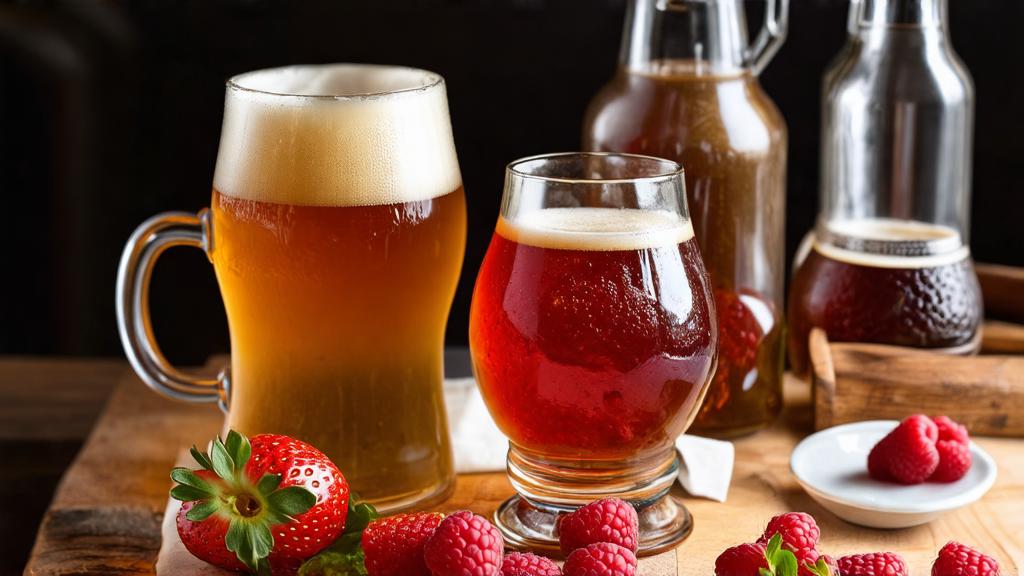
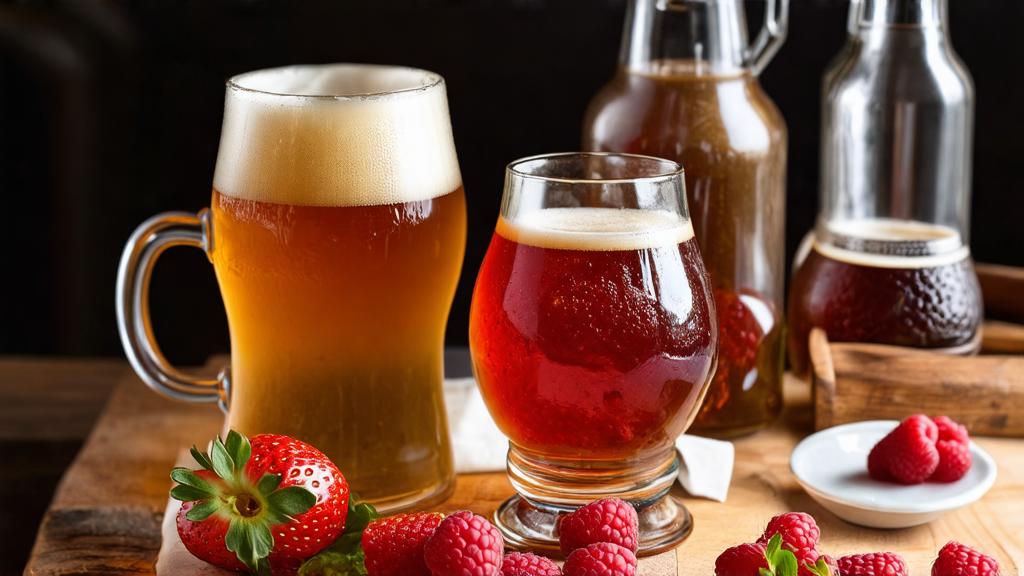
Not all berries behave the same in a fermentation vessel, so this matters. Strawberry tends to deliver a clean, slightly sweet character — it integrates well and doesn’t overpower. Raspberry is more assertive, bringing tartness and a grassy undertone that can pair beautifully with a wheat beer base or a crisp pilsner. Cherry, which the analysts say is growing fastest at 5.1% CAGR, offers stone-fruit depth — more complex, slightly astringent, demanding respect.
For my brewing, I’ve landed on a simple hierarchy:
- Base Style: Wheat beer (Hefeweizen) or blonde ale for strawberry; witbier or Berliner Weisse for raspberry
- Fruit Ratio: 500-800g (1-2 lbs) fresh fruit per 5-litre batch — less is not always more
- Addition Timing: Secondary fermentation or post-boil, never during the mash (you’ll lose volatile esters)
- Variety: British-grown strawberries (available June-August, sourced from local suppliers) or frozen raspberries work equally well
I’ve experimented with puree, whole fruit, and even frozen berries left to defrost slowly in secondary — the frozen route minimises infection risk and actually concentrates flavour as the fruit breaks down.
Brewing Method: Step-by-Step Fruit Ale Process
Days 1-7: Brew Day & Primary Fermentation
Start with a clean, simple grain bill. For a strawberry ale, I brew a basic blonde ale (70% pale malt, 20% wheat malt, 10% crystal malt). Mash at 65°C (149°F) for 60 minutes, sparge, and boil with modest bittering hops (15-20 IBU). The goal is neutral — you want the fruit to shine, not compete with aggressive hop character. Cool to 18-20°C (64-68°F), pitch a clean ale yeast (English ale or Belgian wit yeast work brilliantly), and ferment for 5-7 days until gravity stabilises.
Days 7-14: Fruit Addition & Secondary Fermentation
This is where precision matters. Sanitise your fruit thoroughly — wash under cold water, pat dry, and either crush lightly or leave whole. Transfer your primary beer to a secondary vessel (demijohn or bucket), add the fruit, and seal with an airlock. The residual yeast and sugars in the berries will trigger a gentle secondary fermentation over 7-10 days. You’ll see activity within 24 hours — don’t panic, that’s expected.
Temperature is critical here. Keep secondary between 15-18°C (59-64°F) — too warm and you’ll over-extract tannins; too cold and fermentation stalls. My garage in August typically hits 19-20°C, so I’ve had to invest in a basic temperature controller to maintain stability. HomeBrewTalk forums have been invaluable for temperature control troubleshooting.
Days 14-21: Conditioning & Clarity
Once activity dies (usually 7-10 days into secondary), you have a choice: bottle or keg. For bottling, I siphon off carefully to avoid disturbing the fruit sediment at the bottom, then bottle with 2.5g priming sugar per litre for 2.5 volumes of CO₂. Condition at room temperature (18-20°C) for 2-3 weeks. The result should be crystal clear, bright ruby or pink, with a soft, natural carbonation.
For kegging, I’ve found that cold conditioning for 5-7 days at 2°C helps the fruit settle faster, and a gentle burst of CO₂ after transfer keeps oxidation at bay.
Fermentation & Conditioning Secrets

The biggest pitfall I’ve encountered is rushing conditioning. Fruit beers benefit from patience. The berry flavour develops and integrates over time; pushed too early to the tap, the beer tastes thin and disjointed. Three weeks minimum from bottling to drinking — longer if you can manage it.
Temperature fluctuation also kills these beers. Strawberry ales are especially sensitive to warm conditioning, which can push the beer toward vinegary or solvent notes. If your garage or garden shed swings wildly between 12°C and 22°C in August, your conditioning will be uneven. Summer fermentation in the UK requires serious temperature management — insulation, ice baths, or a basic fermentation chamber make the difference.
One more thing: clarity. Fruit particles and suspended yeast can cloud a fruit beer. If you want crystal clarity, try secondary with a muslin bag around your fruit, or rack the beer twice — once after primary, then again before bottling. It takes time but yields a professional-looking result.
Tasting, Blending & Next-Level Experiments

My first strawberry ale was sweeter than intended — I’d added 700g of fruit to a 5-litre batch and under-attenuated the base beer. The second attempt, using only 500g and letting fermentation fully complete, was brighter and more balanced. Lesson learned: less fruit, higher attenuation, better results.
Raspberry, meanwhile, rewards experimental thinking. I’ve blended a dry Berliner Weisse with a raspberry secondary and achieved a crisp, slightly sour, deeply berry-driven ale that absolutely sings with food — soft cheeses, summer salads, even chocolate. That taught me that fruit beers aren’t just aperitifs; they’re food-pairing weapons.
For next-level experiments, try blending berries — strawberry and raspberry together at 60/40 split creates a harmonious complexity. Or add a touch of hibiscus to the secondary for colour and floral notes. Some madness: a strawberry ale with a tiny addition of black peppercorn in the last week of conditioning. Sounds odd. Tastes brilliant. Botanical additions are having a moment in craft beer, and fruit is the perfect platform for them.
Common Mistakes & Pro Tips
Mistake #1: Using Fruit Juice Instead of Fresh Fruit
I tried this once. The beer tasted thin, artificially sweet, and lacked body. Fresh or frozen berries contain fibre, tannins, and pectin that add texture and integration. Juice is convenient but inferior. Stick with the real thing.
Mistake #2: Over-Sanitising Your Fruit
Boiling fruit kills wild yeast and enzymes — you’re throwing away part of what makes it interesting. A cold water rinse and a soak in dilute (no-rinse) sanitiser is enough. Trust it.
Mistake #3: Bottling Too Early
Patience. I’ve bottled at gravity 1.004 thinking fermentation was done, then watched the bottles fizz up dangerously in week two. Final gravity should sit at 1.002 (or lower) for 5 consecutive days before bottling.
Pro Tip #1: Use a Hydrometer Before Secondary
Know your starting gravity in secondary. A strawberry secondary that starts at 1.050 residual suggests unfinished primary — investigate before adding fruit.
Pro Tip #2: Reserve Some Fruit for Late Addition
I now hold back 20% of fruit and add it in the final week of conditioning (bottle or keg). It refreshes the nose and adds vibrancy to the final pour. Game-changer.
Pro Tip #3: Invest in Soft Temperature Control
A £40 ink bird thermostat and a £60 freezer turns any garage into a brewery. Summer conditioning without temperature swings is absolutely worth it.
Why This Trend Resonates (And Why You Should Brew It)
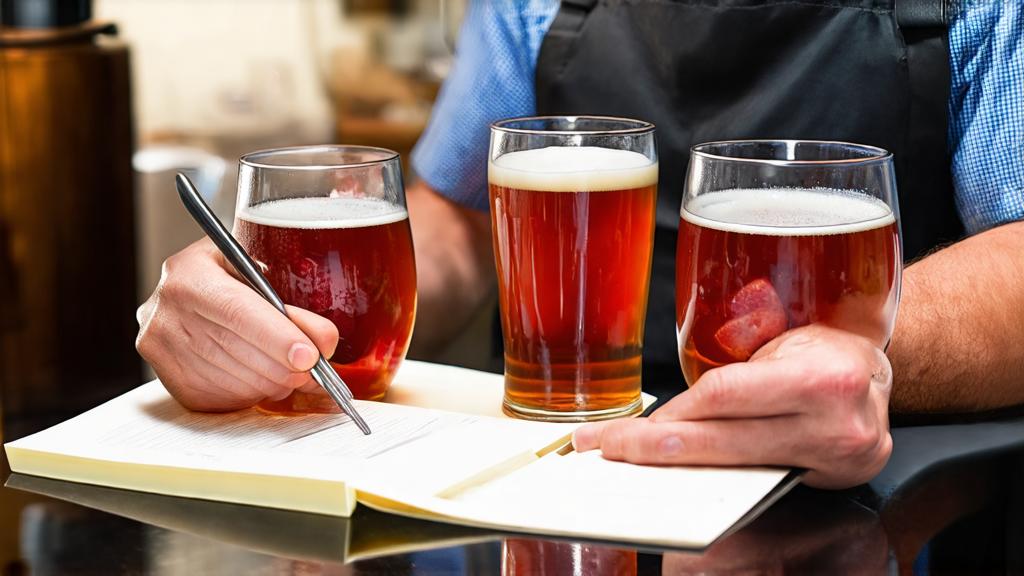
Here’s the honest truth: fruit beers matter because they’re inclusive. A friend who doesn’t normally drink beer will reach for a strawberry ale. A serious homebrewer will respect a well-executed raspberry Berliner Weisse. The trend isn’t a fad — it’s a recalibration toward flavour-first brewing that, personally, I’m here for.
From a practical standpoint, these brews are also forgiving. If your water profile is slightly off or your temperature control isn’t perfect, a fruit-forward ale masks minor flaws. It’s a gateway into more ambitious brewing, and it absolutely crushes at barbecues and garden parties.
The market data backs this: UK supermarket sales are up 250%, generational data shows Gen Z gravitating toward fruit beers, and the category is projected to grow 4.7% annually through 2030. If you’re serious about homebrewing, these aren’t just nice summer projects — they’re essential skills.
Wrapping Up: Your Summer Fruit Ale Awaits
I started 2026 thinking fruit beers were a novelty. Three strawberry and two raspberry batches later, I’m convinced they’re the future of approachable homebrewing. The techniques are simple, the results are rewarding, and the response from non-brewing friends is almost always enthusiastic.
If you’ve never brewed a fruit beer, now’s the time. We’re in the sweet spot of the season — fresh berries (or excellent frozen alternatives) are still available, temperatures are warm enough for reliable fermentation, and you’ll have conditioning time before autumn. Start simple: a basic blonde ale plus 600g of strawberries. Trust the process. Condition properly. Then invite friends over and watch them understand, finally, why you spend weekends in the garage with a thermometer and a hydrometer.
The trend is real. The quality is attainable. The payoff is delicious.
🍺 Join the Brotherhood — Monthly brews, stories & monk wisdom
Subscribe for exclusive recipes, early brew logs, and behind-the-scenes updates straight to your inbox.