White IPA Mastery: Brew Witbier-Hops Fusion at Home
Why White IPA Is the Trending Hybrid for 2026
If you’ve been browsing craft beer shelves lately, you’ve probably noticed something curious: hazy, pale golden beers with distinctly Belgian character but with serious hop punch. That’s White IPA, and it’s quietly becoming one of the most exciting styles for homebrewers in 2026.
White IPA sits at the intersection of two worlds. It takes the clove, banana, and coriander spice of a Belgian witbier and marries it with the citrus, pine, and floral notes of an American-style IPA. It’s approachable for new brewers (the Belgian yeast handles a lot of the flavour work), yet complex enough to satisfy seasoned hopheads. And unlike pure IPAs, which can be one-dimensional if you’re not careful, White IPAs have this wonderful depth that keeps evolving as they cool.
The style gained traction in craft breweries over the past few years, but it’s homebrewers who are really pushing the boundaries now. This is the perfect time to experiment with it, and I’m going to walk you through exactly how to brew a beautiful, balanced White IPA in your kitchen or garage.
Ingredients & Equipment for White IPA
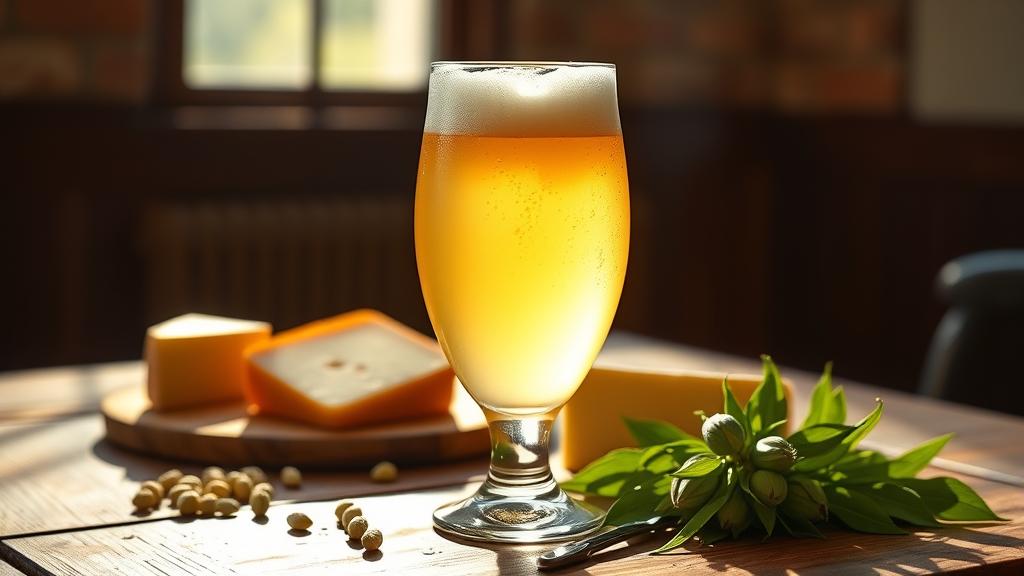
The ingredient list for a solid White IPA is straightforward, but the ratios matter. You’re balancing malt sweetness with spice and hop bitterness, so precision is your friend.
Base Malts & Grains
Start with pale malt as your foundation (around 60-70% of your grist). Pale malt gives you clean fermentability and a light colour. Add 15-20% wheat malt for that cloudy, hazy appearance and silky mouthfeel that witbiers are famous for. The wheat proteins create the characteristic haze and add a subtle grainy sweetness.
For complexity, include 5-10% oat malt (optional but recommended). Oats add creaminess without darkening the beer. A small percentage (5%) of coriander seeds and dried orange peel can be added at the end of the boil, though be cautious—witbier spice character is subtle, not dominating. Let your Belgian yeast do the heavy lifting here.
Hops
White IPA is where you get to have fun with hop selections. I recommend a two-pronged approach:
- Bittering hops (60-minute boil): A clean, bold variety like Magnum or Warrior to set a solid 30-40 IBU foundation
- Flavour & aroma hops: Citra, Amarillo, or Centennial for citrus and floral notes that complement the Belgian spice rather than clash with it. Add at 15 minutes, then again at flame-out
- Dry-hopping: This is essential for White IPA. 25-30g (0.9 oz) of Citra or Amarillo added to secondary fermentation will punch up the aroma without muddying the witbier character
Avoid overly piney or resinous hops—you want brightness, not aggression. Dry-hopping technique is crucial here to capture those delicate aromas.
Yeast
Choose a Belgian witbier yeast strain (Wyeast 3944, SafAle WB-06, or similar). Belgian yeasts ferment fast, produce those characteristic phenols and esters, and tolerate the slightly higher temperature range (18-22°C / 64-72°F) that works beautifully for White IPA. Don’t use a clean American ale yeast—you’ll lose the witbier soul of this beer.

Step-by-Step Brew Day
White IPA brewing follows a standard ale-brewing path, but a few tweaks optimise the final result.
1. Mash (if all-grain)
Mash your pale malt, wheat malt, and oats at 66°C (151°F) for 60 minutes. This temperature produces a slightly sweet wort that balances the hop bitterness later. Stir every 15 minutes to ensure even heat. Sparge with 75°C (167°F) water until you’ve collected your target volume (typically 23-25 litres / 6-6.5 gallons for a 5-gallon batch with some headroom).
2. Boil
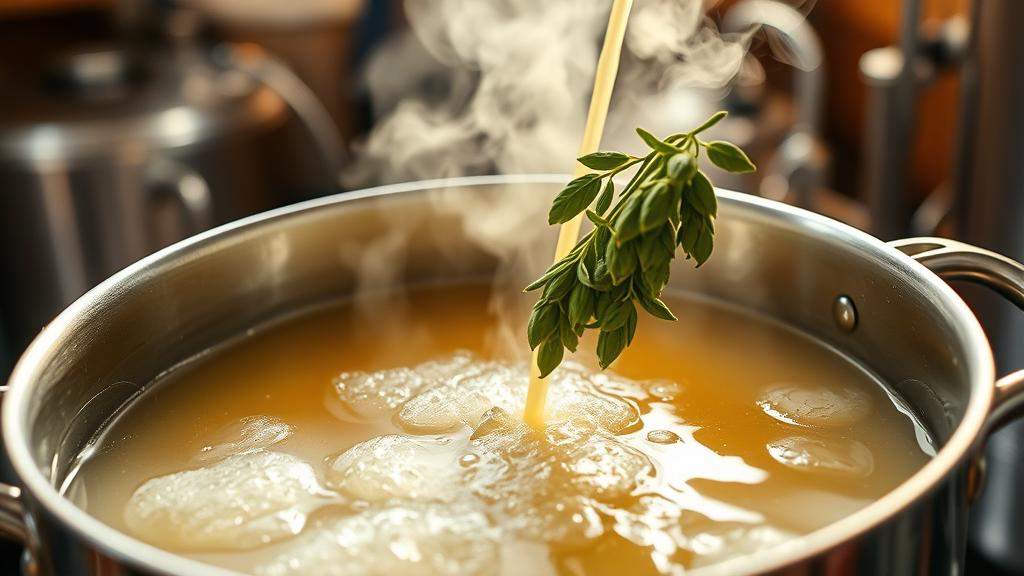
Bring your wort to a rolling boil. Add bittering hops immediately and set your timer for 60 minutes. At 15 minutes remaining, add your first charge of flavour hops (Citra or Amarillo). At 5 minutes, add coriander seeds and dried orange peel if using. At flame-out, add a final aroma hop charge and whirlpool for 10 minutes to settle the break material.
3. Cool & Pitch
Cool your wort to 18-20°C (64-68°F) using an immersion chiller (aim for under 30 minutes). Transfer to your fermentation vessel, take a gravity reading (should be around 1.045-1.055), and pitch a good healthy starter of Belgian witbier yeast. Yeast washing is a great way to reuse quality strain repeatedly.
4. Fermentation
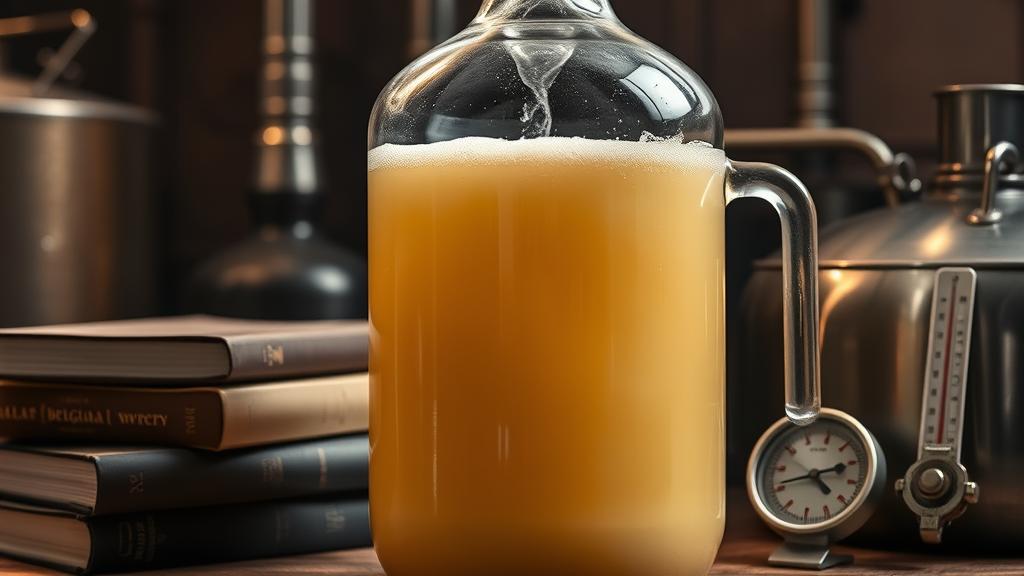
Keep your fermenter at 18-20°C. Belgian yeasts are vigorous fermenters, and you’ll see active fermentation within 12 hours. Maintain this temperature throughout fermentation—warmer temps (21-24°C) will produce more phenolic character, cooler temps more muted witbier notes. Fermentation typically completes in 7-10 days. Don’t rush it; patience rewards you here.
Fermentation & Dry-Hopping
Once primary fermentation slows (gravity drops to around 1.010), it’s time for dry-hopping. This is where White IPA stands apart from traditional witbiers. Transfer your beer to a secondary fermenter or add dry hops directly to your primary (if using a conical fermenter with a dump port to avoid excessive oxidation).
Add 25-30g (0.9 oz) of your chosen aroma hops (Citra is my preference for its bright citrus and lychee notes) and let them sit at fermentation temperature for 3-5 days. The active yeast environment helps extract aromatic compounds efficiently. Remove the hops after 5 days to avoid picking up grassy, vegetal notes.
Cold condition your beer at 0-4°C (32-39°F) for 7-10 days after dry-hopping. This precipitation stage clarifies the beer, tightens the head, and lets flavours integrate. Pressure fermentation at controlled temperatures is ideal if you have the equipment, though standard fermentation works beautifully too.
Tasting Notes & My Honest Review
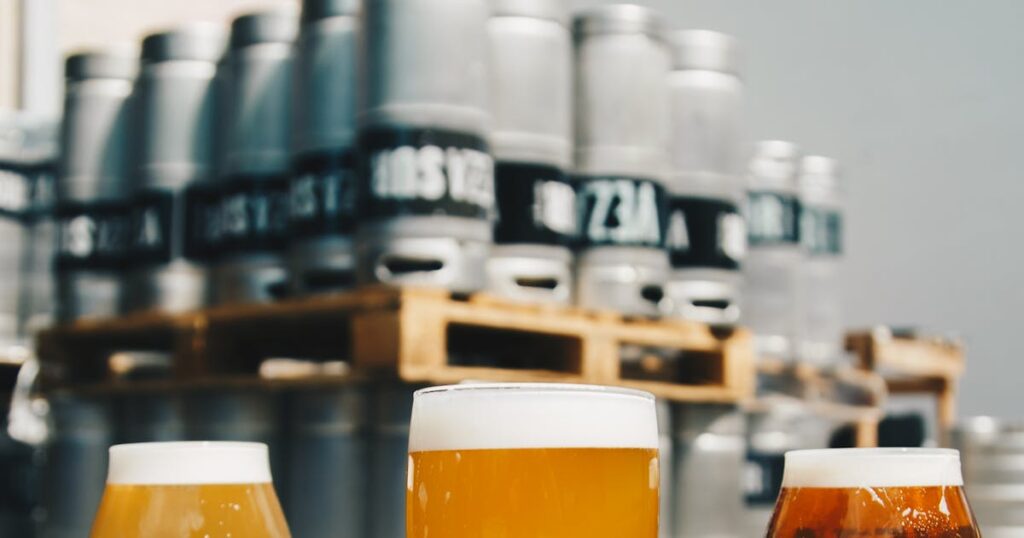
When you crack open a properly brewed White IPA, you should get an immediate assault of citrus aroma—think grapefruit, tangerine, and a hint of herbal spice. The head should be thick and persistent, white or cream-coloured, sitting proudly atop a pale golden, hazy pour.
On the palate, White IPA walks a delicate line. The mouthfeel is creamy and full (thanks to wheat and oats), but the hop bitterness cuts cleanly through the malt sweetness. You’ll taste clove and banana early, followed by a citrus and floral mid-palate, finishing with a dry, slightly peppery aftertaste. The alcohol should hide seamlessly in a 6-7% ABV version—crisp enough for summer, robust enough to satisfy.
The danger zone is over-spicing or over-hopping. If your White IPA tastes like a witbier with hops bolted on, or like a harsh IPA with a hint of banana, you’ve lost the balance. A proper tasting flight alongside a reference witbier and a clean IPA will show you exactly where the style sits and how your interpretation compares.
Pro Tips & Common Mistakes
Mistake 1: Over-Carbonation
Belgian beers naturally produce CO₂ during fermentation, and witbier yeasts are particularly vigorous. When bottle-conditioning, use 2.0-2.3 volumes of CO₂ (roughly 100-120g / 3.5-4.2 oz of cane sugar per 20 litres / 5 gallons). Aim for a creamy, persistent head, not a geyser.
Mistake 2: Ingredient Imbalance
White IPA lives or dies by balance. If your OG is too high (above 1.060), the sweetness overpowers the hops. If you skimp on bittering, the beer tastes muddy and under-defined. Stick to the ratios: 60% pale malt, 15-20% wheat, 5-10% oats, 30-40 IBUs of bittering, 25-30 IBUs of flavour.
Pro Tip 1: Temperature Control
Belgian yeasts produce more phenols at warmer temperatures. If you want a more traditional witbier character (spice-forward), ferment at 20°C (68°F). If you want more hop expression and less clove, ferment at 18°C (64°F). This single variable dramatically changes your beer’s profile.
Pro Tip 2: Water Chemistry Matters
White IPA benefits from balanced water. If your local water is very soft, add a pinch of gypsum (CaSO₄) to enhance the hop bitterness. If it’s very hard, a small amount of lactic acid can help dial in clarity. Burton-style water profiles work beautifully for White IPA.
Variations & Next-Level Experiments
Once you’ve nailed the base recipe, there’s room for play.
Spiced Variation: Increase coriander and orange peel, add a touch of cinnamon or cardamom in the last 2 minutes of the boil. This pushes the beer toward a more traditional witbier aesthetic but keeps the hop bite.
Low-ABV Version: Reduce your OG to 1.040 and use a clean German pilsner yeast instead of Belgian. You’ll get a session-weight hazy beer with gentler phenols—perfect for a summer session.
Fruit Forward Twist: Add 250-500g (0.5-1 lb) of fresh or frozen apricots at the start of secondary fermentation. The fruit adds complexity without muddying the witbier-hop balance. Fruit integration techniques are critical to avoid a cloying result.
Conclusion: Your White IPA Awaits
White IPA is the perfect gateway into advanced brewing. It’s approachable for newcomers (Belgian yeast and basic grain bills), yet intricate enough to keep you experimenting for years. It’s trending for a reason: the style is genuinely delicious when done right, and it bridges the gap between two worlds that homebrewers love.
Start with the base recipe, dial in your fermentation temperature, and trust the Belgian yeast to deliver character. Once you’ve brewed one, you’ll understand why so many brewers are obsessed. This is a beer that rewards precision and patience, and it’s unquestionably worth your next batch.
What will your White IPA look like? Will you go spice-forward, or let the hops sing? The style is flexible, and that’s its superpower. Experiment, taste, tweak, and brew again. That’s the whole point.
🍺 Join the Brotherhood — Monthly brews, stories & monk wisdom
Subscribe for exclusive recipes, early brew logs, and behind-the-scenes updates straight to your inbox.