Why Yuzu Beer is 2026’s Hottest Brewing Trend
If you’ve been following craft beer trends closely this year, you’ve probably noticed something extraordinary happening in breweries across the UK and beyond: Japanese yuzu citrus is having a moment. And not just in sake bars or high-end restaurants—homebrewers are catching on fast.
Yuzu is a bumpy, knobbled Japanese citrus fruit that tastes nothing like a lemon or lime. It’s more sophisticated, with floral and herbal notes underneath the citrus tartness. It’s the kind of ingredient that makes beer taste like something you’ve never experienced before, even if you’ve been brewing for decades. In 2026, this trend has exploded beyond the realm of craft breweries into home garages and garden sheds across the UK.
I’ve been experimenting with yuzu for the past few months, and I’m convinced it’s the next big gateway into advanced homebrewing. Here’s why—and how you can master it yourself.

What Makes Yuzu Different (and Why It Works in Beer)
Yuzu (pronounced “YOU-zoo”) is a winter citrus fruit originally from East Asia, but it’s been cultivated in Japan for centuries. The flavour profile is complex: imagine a cross between lemon, grapefruit, and mandarin orange, but with a floral, almost herbal undertone that’s subtly reminiscent of jasmine or bergamot.
What makes yuzu brilliant for brewing is twofold. First, the juice itself has a lower pH (around 2.8–3.0) compared to lemons, so it integrates into beer with more nuance. Second, the skin contains volatile oils that add dimension without overwhelming the palate. When you add yuzu to a light, crisp ale—particularly a saison or wheat beer—you get complexity that feels both familiar and utterly fresh.
The best homebrewers I’ve spoken with compare it to the kind of breakthrough moment you get when you first use Norwegian Kveik yeast or discover wild fermentation techniques—it’s a tool that opens doors to styles and flavours you didn’t know were possible.
Sourcing Yuzu: The Practical Challenge
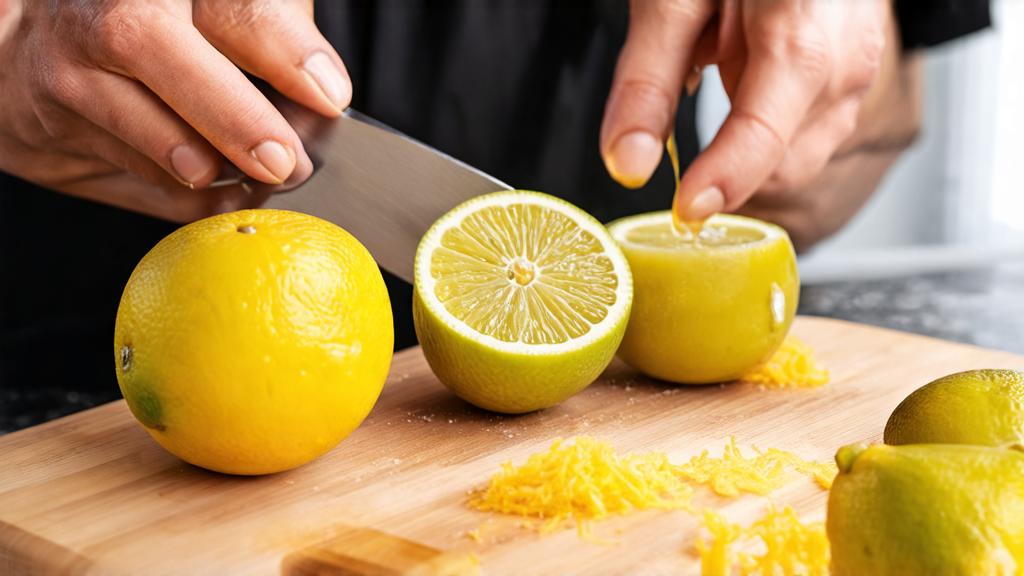
Here’s the honest bit: yuzu isn’t at your local Tesco. Not yet, anyway. You’ll need to source it online or from specialist Asian grocers. In the UK, websites like Japan Centre, Sous Chef, and various Turkish/Asian import specialists stock fresh yuzu during the winter months (November–March). You can also order frozen yuzu juice online, which works just as well for brewing.
For a 20-litre (5.3 US gallon) batch, I typically use 500–750 ml (17–25 fl oz) of yuzu juice added post-fermentation. A single fruit yields roughly 40–50 ml (1.4–1.7 fl oz) of juice, so plan on 10–15 fruits for a decent batch. At roughly £1.50–£2 per fruit, it’s an investment—but you’re making something genuinely unique, and that’s worth it.
The Brew Day: A Step-by-Step Guide
I brew my yuzu ale as a light saison-style beer—a farmhouse ale that pairs brilliantly with Japanese citrus. Here’s my proven method:
Ingredients (20 litres)
- 4 kg (8.8 lbs) Pilsner malt
- 0.5 kg (1.1 lbs) Munich malt
- 0.25 kg (0.55 lbs) Wheat malt
- 20 IBU bittering hops (Hallertau or Saaz—something noble and delicate)
- 15 g (0.5 oz) Saaz or Hallertau at 15 minutes before flameout
- Belgian Saison yeast (Wyeast 3724 or similar)
- 500–700 ml (17–24 fl oz) fresh yuzu juice, added post-fermentation
- Water: aim for a soft, Pilsen-style profile (5 g calcium chloride, 2 g sodium chloride per 25 litres)
The Process
- Mash: 65°C (149°F) for 60 minutes. This temperature favours clean fermentation—exactly what you want for yuzu to shine.
- Sparge: Step up to 76°C (169°F) and sparge slowly. Target OG of 1.052–1.056.
- Boil: 60 minutes. Bittering addition at 60 minutes, aromatic addition at 15 minutes. No late-stage hopping—yuzu is delicate.
- Chill: Cool to 19°C (66°F) and pitch your Saison yeast. Fermentation will kick off quickly.
- Fermentation: Let it run for 10–14 days at 19–20°C (66–68°F). Saison yeast will generate fruity esters naturally.
- Cold Condition: Once gravity stabilises (check SG), rack to a secondary and cold condition at 8°C (46°F) for 7–10 days to drop yeast.
- Add Yuzu: Siphon off yuzu juice directly into the secondary. Let it integrate for 5–7 days before bottling or kegging.
The key is patience. Yuzu needs time to integrate without tasting harsh or green. If you add it to warm wort or directly to primary fermentation, it can taste medicinal.
What You’ll Taste: My Honest Notes
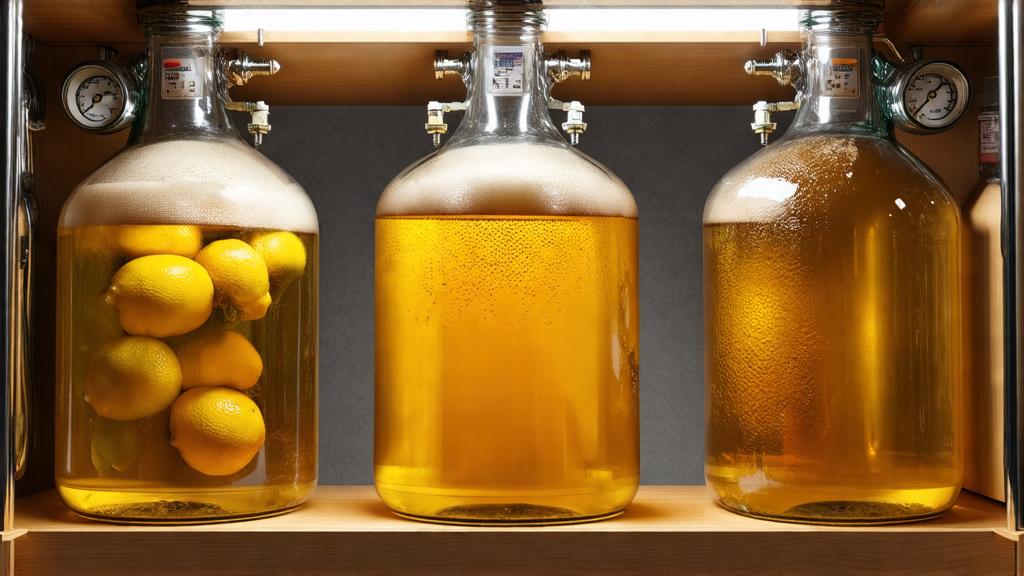
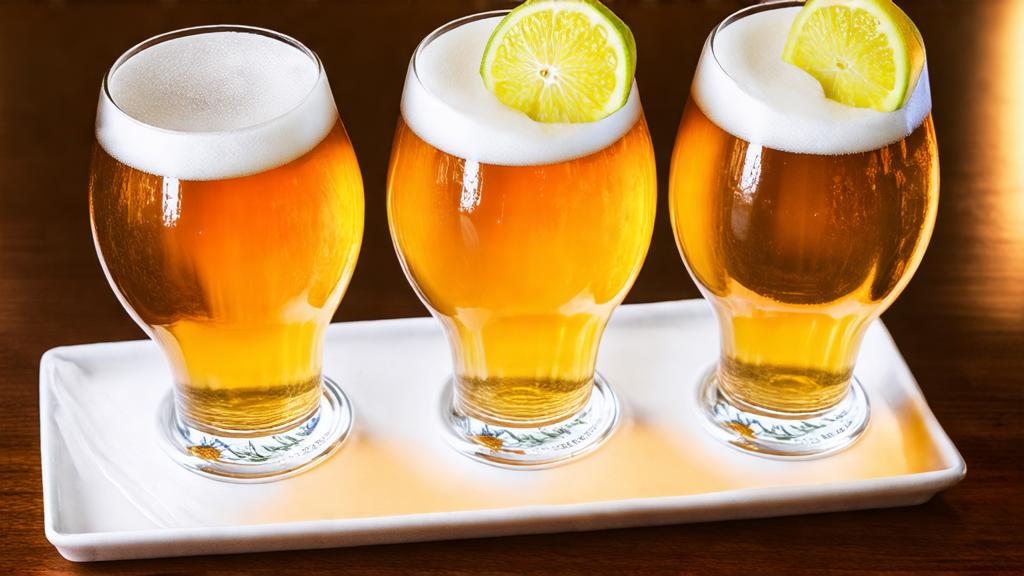
I’ve now brewed five batches of yuzu ale, and the results are consistently stunning. Appearance: bright golden, crystal clear if you’ve done your job on clarification. Aroma: immediate floral citrus—yuzu’s herbal undertone comes through first, followed by subtle peach from the Saison yeast. On the palate: dry, crisp, with a clean citrus bite that lasts without becoming sharp. Finish: mineral, slightly herbal, with a whisper of bitterness that makes you want another sip.
ABV typically lands around 5.5–6.0%, which is sessionable for summer but substantial enough to justify the brewing effort. It pairs brilliantly with light Asian cuisine—particularly sushi, pad thai, and anything with ginger or lemongrass.
The standout quality is this: yuzu ale tastes like nothing you’ve ever homebrewed before, even if you’ve been doing this for twenty years. That’s rare.
Pro Tips & Common Mistakes
❌ Don’t Use Too Much Yuzu
I’ve seen homebrewers get excited and dump 1–1.5 litres into a 20-litre batch. The result is thin, medicinal, and drinkable but forgettable. Start at 500 ml and adjust upward if you want more intensity.
✅ Use Fresh Juice, Not Concentrate
Concentrate is heavily processed and loses the floral notes that make yuzu special. Spend the extra on fresh fruit.
✅ Pair Yuzu with Delicate Yeasts & Hops
Belgian Saison yeast, Kveik, and clean lager strains work beautifully. Avoid highly attenuative or phenolic yeasts (like some Belgian triples) that will fight the citrus.
❌ Don’t Rush Secondary Conditioning
Yuzu needs 5–7 days to integrate. If you bottle too early, it’ll taste harsh and separate.
✅ Experiment with Blends
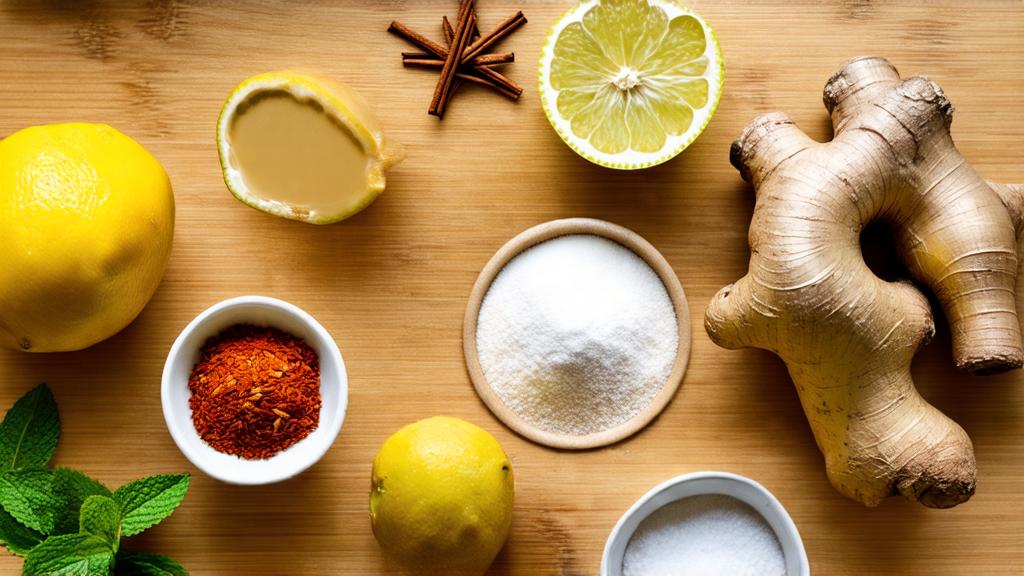
Try blending yuzu with subtle spices like green cardamom or white pepper for next-level complexity. A tiny pinch of fresh ginger also works magic.
Variations & Next-Level Experiments
Once you’ve nailed the basic yuzu saison, the possibilities expand wildly:
- Yuzu Berliner Weisse: A light, tart base (SG 1.025–1.030) with yuzu juice and a touch of lactic acid conditioning. Refreshing, chuggable, complex.
- Yuzu & Sake Hybrid: Brew a rice lager base and inoculate with both brewing yeast and sake koji mould. This is experimental territory—refer to koji fermentation guides for guidance.
- Yuzu & Tea Ale: Add a small amount of hojicha (roasted Japanese green tea) alongside yuzu. The roasted notes add depth and prevent the beer from tasting one-dimensional.
- Yuzu Barrel-Aged Expression: If you’re fortunate enough to have access to a small oak vessel or oak cubes, aging yuzu ale in oak for 6–12 months creates something truly special.
The beauty of yuzu is that it’s a bridge ingredient. It works in traditional British ales, continental lagers, and experimental mixed-fermentation styles. The ingredient itself is your limitation—not the brewing technique.
Why Yuzu Matters in 2026
Beer in 2026 is having an interesting moment. The hype cycle has cooled. Drinkers are tired of £8 cans and gimmicky 9% “one-and-done” beers. What they want now is something genuine—flavourful, but not exhausting. A beer you’d actually drink more than once.
Yuzu represents exactly that impulse. It’s not a gimmick. It’s a serious ingredient with real complexity. Learning to brew with yuzu isn’t about trend-chasing; it’s about developing skills in fruit integration, secondary fermentation, and subtle flavour balance that will make you a better brewer overall.
That’s why this trend matters. It signals a return to craftsmanship, thoughtfulness, and genuine flavour. The best brewing trends aren’t about new ingredients—they’re about what those ingredients teach you.
Final Thoughts: Start Small, Think Big
I recommend brewing one small 10-litre experimental batch before committing to a full 20-litre brew. Use a basic blonde ale recipe, add a modest amount of yuzu juice, and taste along the way. You’ll develop an intuition for the ingredient that no article—including this one—can teach you.
Yuzu brewing is 2026’s most interesting frontier in homebrewing. It’s accessible, it’s serious, and it opens doors to flavours and techniques that elevate your entire brewing practice. Get sourcing that yuzu. Your next batch is waiting.
🍺 Join the Brotherhood — Monthly brews, stories & monk wisdom
Subscribe for exclusive recipes, early brew logs, and behind-the-scenes updates straight to your inbox.