The 2026 Global Lager Renaissance: Why World-Class Styles Are Made at Home
If you’ve been sleeping on lager brewing, it’s time to wake up. The 2026 World Beer Awards just dropped, and they’ve delivered a wake-up call that reverberated through the brewing world: lager isn’t boring. In fact, it’s a global renaissance of diversity, complexity, and craft that’s challenging everything we thought we knew about the “simple” style.
Last week, the World Beer Awards crowned Bavik Super Pils from Belgium as World’s Best Lager—but here’s the truly humbling part: the competition honoured exceptional lagers from eight different countries, spanning everything from crisp Czech pilsners to deep black German schwarzbiers. And most of these winning breweries? They’re small, dedicated operations that could’ve been homebrewers themselves. That matters. Because if they can nail these styles at scale, so can you.
The real story isn’t just about what won medals. It’s about what those wins reveal: lager represents 62% of the North American beer market, yet craft beer culture has spent decades chasing IPAs, wild sours, and barrel-aged monsters. Meanwhile, the lager world—rooted in centuries of European technique and now embraced globally by forward-thinking brewers in China, Canada, and beyond—has been quietly evolving into something worth obsessing over. This is the year to catch up. And the best place to start? Your own brewery.
What the Awards Tell Us About Lager in 2026
The 2026 World Beer Awards isn’t your typical “best beer in the world” competition. It focuses on beers you can actually buy, judges everything blind, and casts its net globally—making it infinitely more interesting than award shows skewed toward American or European breweries. And what it revealed this year is stunning: classic European lager styles are thriving everywhere.
Let’s break down what won:
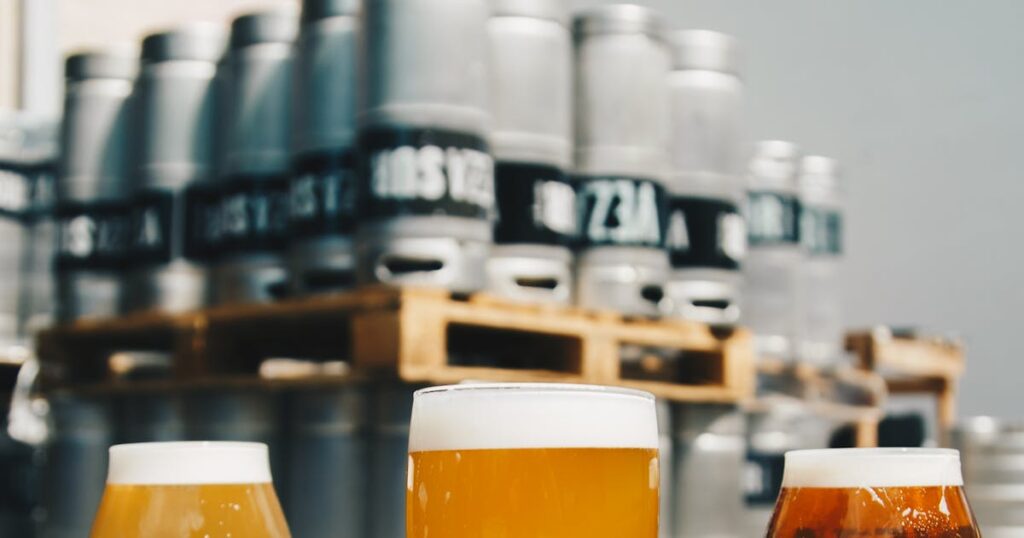
- Bavik Super Pils (Belgium): World’s Best Lager. 100% malt, aroma hops, extended cold maturation. Crisp, dry, hop-forward.
- Hiddenseer Winterbock (Germany): World’s Best Bock. Rich, strong, full-bodied malt profile.
- Alfa Edel Pils (Netherlands): World’s Best Classic Pilsener. 5% ABV, spring water, house yeast, subtle and precise.
- Waima Craft Beer Golden Crow Pilsner (China): World’s Best Czech Style Pale. 5.8% ABV, global brewing challenging European dominance.
- Tesila Schwarzbier (China): World’s Best Dark Lager. Deep colour, roasty malts, clean crisp finish.
- Estrella Levante Reserva 60 (Spain): World’s Best Dortmunder. Bolder take on a classic German style.
- Granville Island Island Lager (Canada): World’s Best Helles/Münchner. Soft, malt-forward, balance over aggression.
- Blue Mountain Light Lager (Canada): World’s Best Light Lager. Proof that light doesn’t have to mean boring.
Notice the pattern? These aren’t trendy, over-hopped experimentations. They’re refined takes on classics—each one rooted in technique, temperature control, and restraint. And every single style here is within reach for a home brewer willing to invest in proper lager brewing mastery.
Why This Matters for Home Brewers Right Now
Here’s the uncomfortable truth: most home brewers shy away from lagers. Why? Temperature control, longer fermentation times, and the pervasive myth that lagers are somehow “simpler” or less rewarding than ales. But that myth is shattered.
If you’ve been reading pressure fermentation guides or dabbling with kveik yeast, you already know that modern homebrewing has tools the Bavarian brewmasters of the 1800s didn’t have. Temperature control strips, fermentation chambers, and access to world-class lager strains mean that brewing Bavik-quality pilsner from a garage in London (or anywhere) isn’t just possible—it’s attainable.
The 2026 World Beer Awards aren’t telling you to brew mass-market lager. They’re telling you that the world’s best brewers are competing on the same ground: precision, technique, and respect for tradition. Those are home-brewer virtues.
The Five Styles You Should Brew Next
Let’s get practical. If you’re ready to join the global lager renaissance, start here—with the five award-winning styles that played centre stage at the 2026 competition:
1. Czech-Style Pale (Pilsner)
Waima Craft Beer’s Golden Crow took World’s Best Czech Style Pale, and for good reason. Czech pilsners sit at 5–5.8% ABV, use noble hops (Saaz, Hallertau), and demand precision in water chemistry and mash temperature. The result is delicate, herbal, and dangerously drinkable. If you’re used to bold hoppy ales, this style will challenge your palate in the best way.
Home brewing tip: Use proper water chemistry—Czech pilsners need low mineral content and slightly acidic pH (around 5.3–5.4) for proper hop character extraction.
2. German Schwarzbier (Black Lager)
Tesila’s Schwarzbier proved that dark doesn’t mean heavy. This style is all about contradiction: deep black colour, roasty malt presence, but a crisp, clean, and drinkable finish. At 4.5–5.5% ABV, it’s the thinking drinker’s dark beer—complex but not cloying.
3. German Helles (Munich-Style Pale Lager)
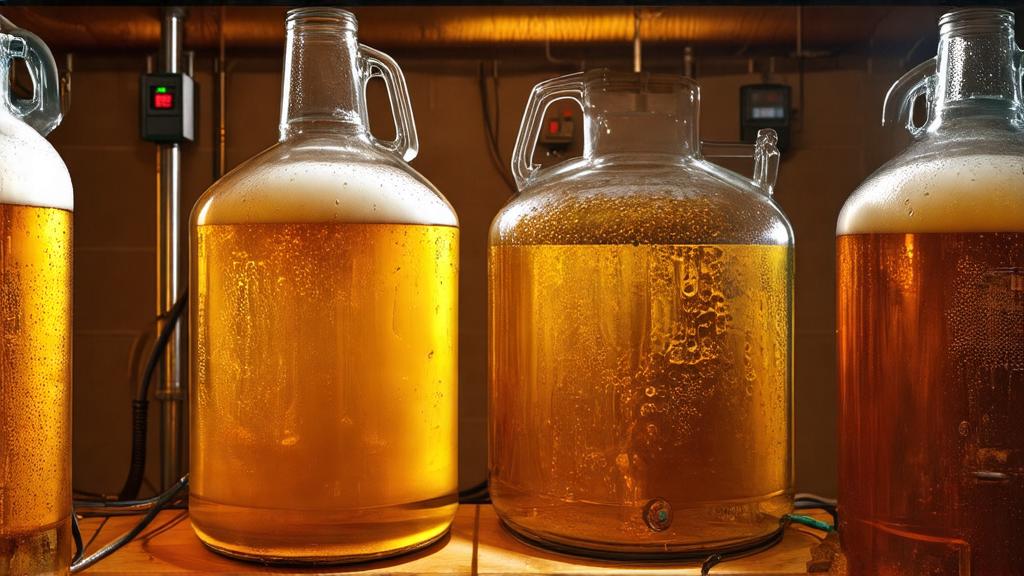
Granville Island’s Island Lager took World’s Best Helles. This is the thinking person’s “light” beer—pale golden, malt-forward, soft, and incredibly food-friendly. Unlike mass-market light lagers, a proper Helles has body, character, and balance. It’s refreshing without being insubstantial.
4. Bock (Strong Malt Lager)
Hiddenseer’s Winterbock claimed World’s Best Bock—a rich, warming style at 6.5–8% ABV. If you want to prove to yourself that lagers can be complex and rewarding, brew a bock. The extended cold maturation, the malt development, and the subtle warmth make it worth the patience.
5. Belgian Pilsner
Bavik Super Pils is World’s Best Lager—full stop. Belgian brewers took the pilsner template and refined it into something deeply elegant: 100% malt, aroma hops, extended cold maturation. It’s not “Belgian wild and funky”—it’s Belgian precision. Belgian pilsners taught European brewers how to make “simple” styles sing.
The Technical Reality: What You’ll Need
Brewing award-quality lagers at home isn’t about magic. It’s about:
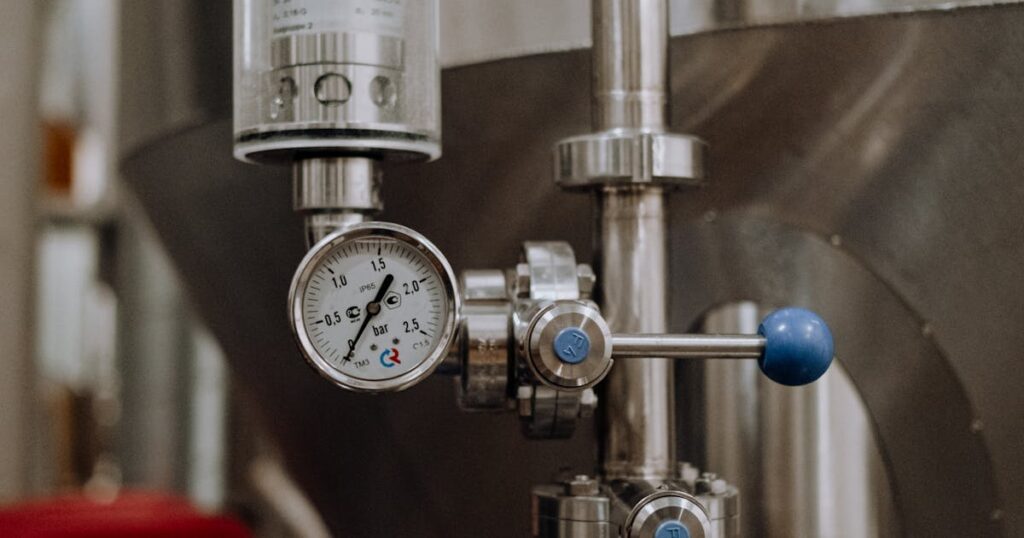
- Temperature control: A fermentation chamber or cool basement (ideally 10–14°C for most lagers).
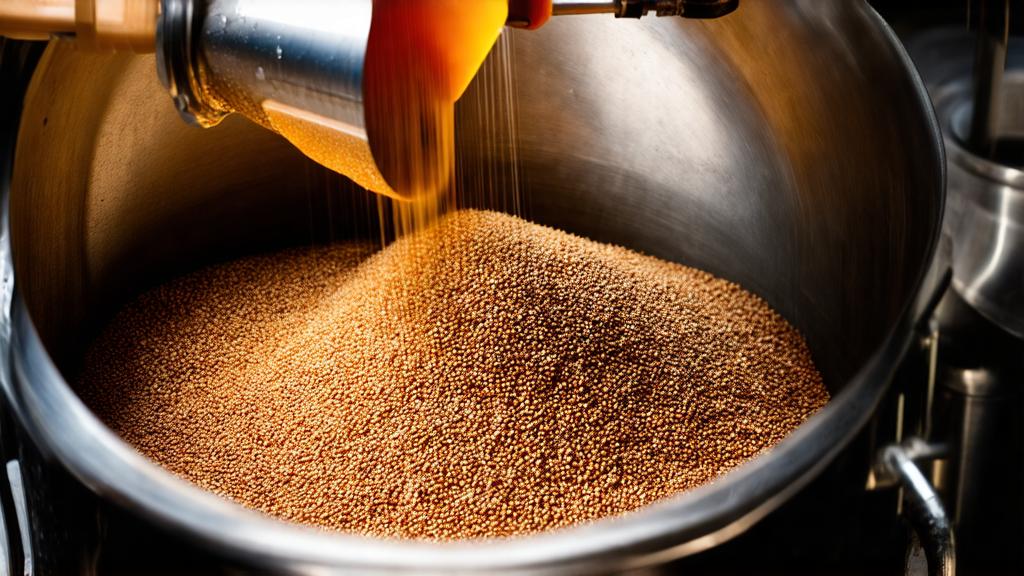
- Patience: Expect 3–4 weeks fermentation + 2–4 weeks cold conditioning. This isn’t quick.
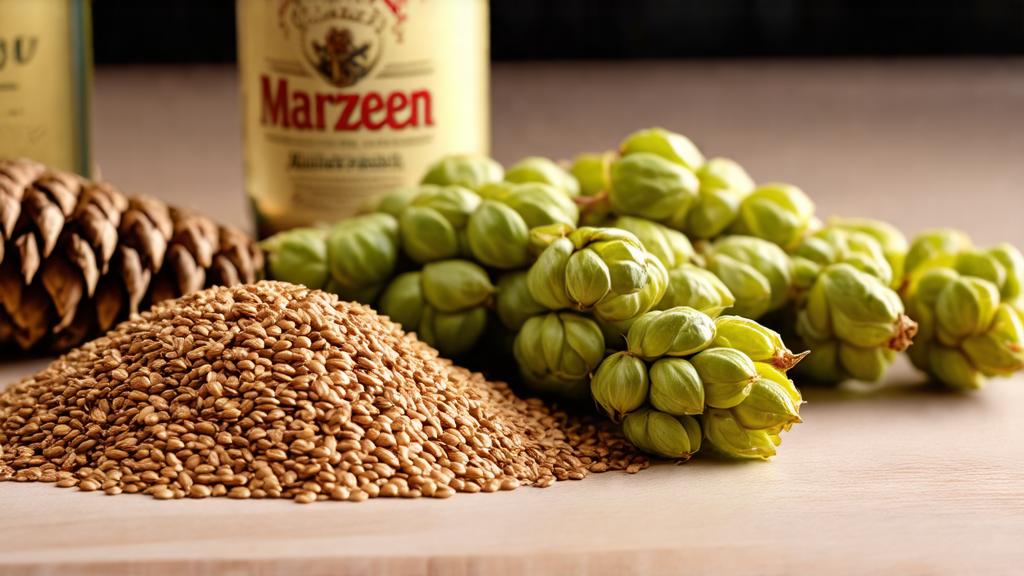
- Quality yeast: Fresh lager strains from reputable suppliers (White Labs, Wyeast, Fermentis).
- Water chemistry knowledge: Understand mineral profiles. A water chemistry guide isn’t optional—it’s foundational.
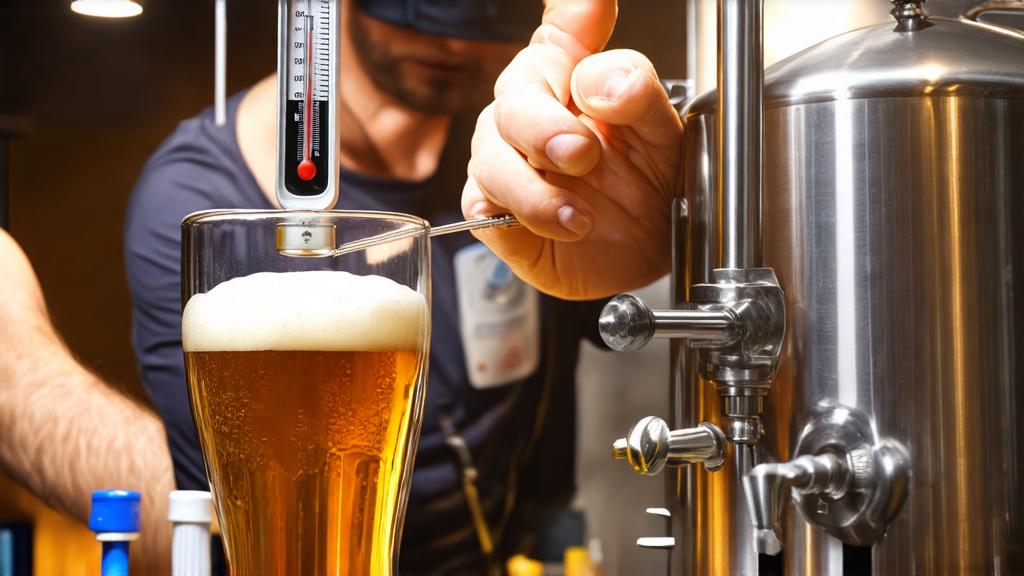
- Proper equipment: Precision thermometer, pH strips, and ideally a refractometer.
Is this more demanding than dumping a Belgian tripel and hoping for magic? Yes. Will it teach you more about brewing technique than anything else you can do? Absolutely.
Global Lager Styles Worth Exploring Beyond the Awards
The 2026 World Beer Awards highlighted eight styles, but the lager world goes deeper. If you’re serious about joining the renaissance, consider:
- Dortmunder (Export Lager): Breweries like Estrella Levante are reimagining this Bavarian-German hybrid—more body than a pilsner, more snap than a helles.
- Maibock: Spring’s gentle strong lager, pale and malty, sitting at 6.5–8% ABV.
- Kellerbier: Unfiltered, unpasteurised, served fresh from the cellar. This is where German brewing shows its roots.
- Japanese-style Rice Lager: Rice lagers (koji fermentation variants) are the frontier of lager innovation—global brewers proving the style can evolve without abandoning its soul.
The Monk’s Path: Patience, Precision, and Craft
There’s a reason the Benedictine monasteries of Bavaria pioneered lager brewing in the 15th century. This style rewards patience, precision, and respect for process. You can’t rush a proper lager. You can’t cut corners on water chemistry or temperature control. You can’t ferment it warm and hope for the best.
But when you crack open a beer you’ve aged for three months—a beer that sits alongside Bavik Super Pils, Hiddenseer Winterbock, and the 2026 World Beer Awards champions—you’ll understand why the world’s best brewers choose this path.
The 2026 global lager renaissance isn’t a fad. It’s a return to first principles: technique, restraint, and the pursuit of perfection through repetition. Start small. Pick one style. Brew it three times. By the third batch, you’ll know more about lager brewing than 90% of the beer-drinking world.
Your Next Brew Day
If you’re ready to start, don’t overthink it. Pick a Czech pilsner or a German helles as your entry point. Build a fermentation chamber if you don’t have one. Source a fresh lager yeast. Dial in your water chemistry. And commit to the timeline—you can’t shortcut the cold conditioning.
In three months, you’ll have a beer that sits proudly alongside the 2026 World Beer Awards winners. Not because you’re as experienced as Bavik or Hiddenseer, but because you’ve respected the craft enough to do it right.
The global lager renaissance is here. Are you ready to join it?
🍺 Join the Brotherhood — Monthly brews, stories & monk wisdom
Subscribe for exclusive recipes, early brew logs, and behind-the-scenes updates straight to your inbox.