There’s a quiet magic in patience. A beer sealed with a cork, set aside in a cool dark space, left to evolve for five years — that’s not just aging. That’s a form of meditation. It’s saying: “I made this. I trust it. I can wait.”
Cellaring beer — collecting and ageing craft brews strategically in a home cellar — is one of homebrewing’s most rewarding but least practised disciplines. It’s not about hoarding. It’s about intention. It’s about understanding that some beers improve with time the way a monk’s faith deepens through silent contemplation.
I discovered this by accident. Ten years ago, I brewed a 9% barleywine and bottled it, then completely forgot about it in a shelf behind my fermentation carboy. When I rediscovered it five years later, I was stunned. The harsh alcohol had mellowed into a honeyed warmth. The malt had deepened into fig and sherry notes. A beer I’d considered just “strong” had become something genuinely profound.
That moment changed how I brew. Not every beer needs cellaring. But the ones that do — the barleywines, the Russian imperial stouts, the bottle-conditioned ales — they become time machines. Open one today, then a bottle from the same batch in three years, and you’re experiencing beer transformation in real time.
Here’s what I’ve learned about building and maintaining a proper beer cellar, and why you should consider starting one too.
Why Cellaring Matters: The Patient Brewer’s Advantage
Most beer, honestly, is meant to be drunk fresh. Your crisp session IPAs, your pilsners, your pale ales — they’re best within 3-6 months of bottling. The hops fade. The freshness diminishes. That’s not a flaw; that’s their design.
But certain beer styles are literally engineered to improve over time. They contain higher alcohol levels (typically 8% ABV or above), robust malt profiles, and often live yeast in the bottle. As they age in the right conditions, chemical reactions occur: alcohol softens into smoothness, rough edges become nuanced flavours, the yeast continues its work creating complexity. This is why barleywines in particular are prized for cellaring.
A 2006 study published in the Journal of the American Society of Brewing Chemists found that bottle-conditioned beers with residual yeast showed significantly improved flavour stability when aged at consistent cool temperatures. The living yeast actually scavenges residual oxygen, protecting the beer from oxidation — a mechanism commercial breweries rely on as well. As noted by the American Homebrewers Association, this is one of the best-documented advantages of proper cellaring.
For homebrewers, this means something profound: a beer you brew today can become a completely different — and often better — beer if you’re willing to wait. Your 2026 vintage barleywine could be the showstopper at a dinner party in 2030.
Which Beers Are Worth Cellaring
Not every beer belongs in a cellar. Here’s my practical guide to deciding what’s worth the space:
Absolute Yes
- English Barleywines (9-12% ABV): These are the gold standard of cellaring. They’re built for it. The low-attenuating yeast strains leave residual sweetness that caramelizes beautifully over time. I’ve tasted a 15-year-old barleywine that tasted like liquid sherry with a hint of candied orange peel.
- Russian Imperial Stouts (9-11% ABV): Similar reasoning. The roasted malt character becomes coffee, chocolate, and bourbon leather notes. Three years minimum; ten years can be magnificent.
- Bottle-Conditioned Beers with Live Yeast: Especially Belgian styles like Trappist ales, Gueuze, and strong Flemish browns. The yeast keeps working. CAMRA (Campaign for Real Ale) specifically recommends cellaring these styles, and for good reason.
- Sour and Wild Beers: Lambics and spontaneous fermentation brews improve dramatically over time. A harsh young gueuze can become beautifully balanced after 3-5 years, as explored in depth in wild fermentation guides.
Conditional Yes
- Strong Ales (7.5-9% ABV): Depends on malt profile and hopping. English-style strong ales will cellar well. Aggressive hoppy IPAs? No — the hops will fade into stale papery notes.
- Wheat Wine and Barley Wine Hybrids: If they’re well-made and alcohol-forward, yes. If they’re light and frivolous, drink fresh.
Absolute No
- Session ales and lagers (anything under 6% ABV)
- Heavily hopped beers meant for fresh hop character (all IPAs, most pale ales)
- Sours made without live culture (they won’t evolve)
- Beer with poor oxygen barrier (swing-top bottles, poor caps)
Setting Up Your Cellar: Temperature, Light, and Storage
A proper beer cellar doesn’t need to be a climate-controlled wine cave. A cupboard will do. What matters is consistency.
Temperature
This is non-negotiable. Aim for 50-60°F (10-15°C) for dark beers and barleywines; 45-50°F (7-10°C) for sours and wild beers.
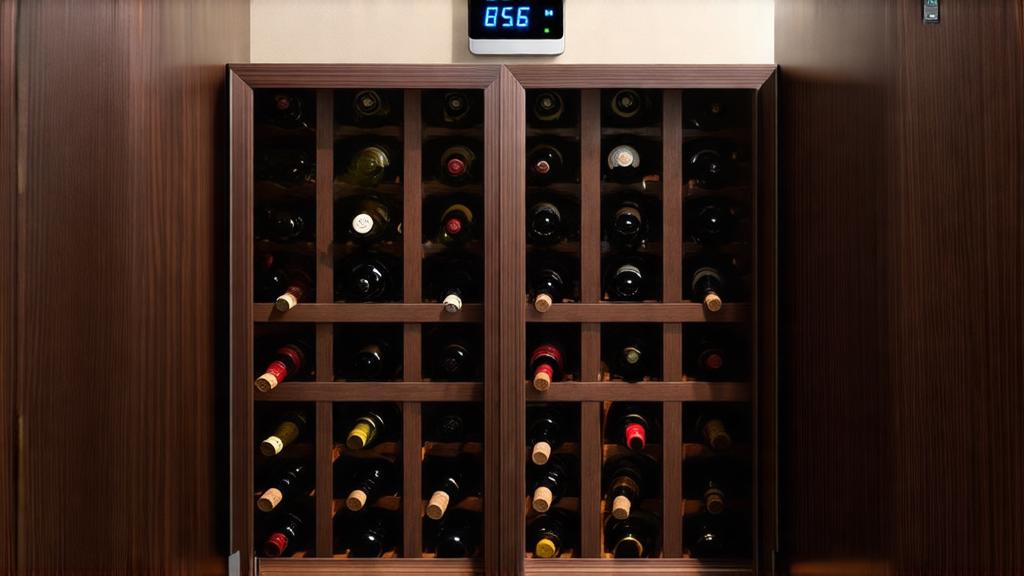
Temperature fluctuation is worse than being slightly warmer. A cellar that varies 30°F between seasons will age beer four times faster than one held steady at 60°F. Expansion and contraction pump oxygen in and out of the bottle. I use a simple plug-in wine cooler (roughly £80-150 / €95-180) set to 55°F, with a digital thermometer to monitor drift.
Light
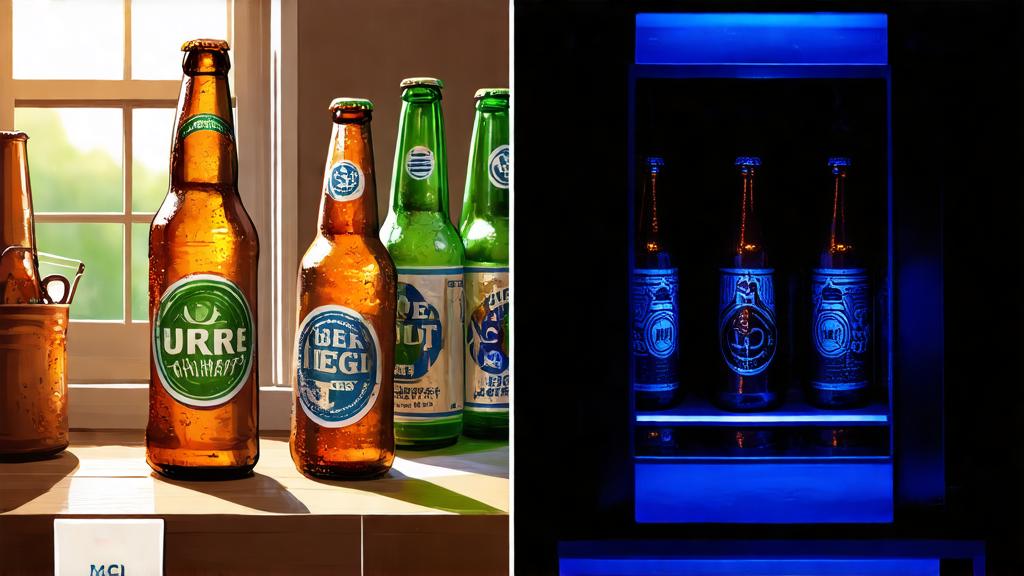
This is where most people fail. UV light breaks down iso-alpha acids (hop compounds) into 3-methyl-2-butenyl mercaptan — the exact chemical that makes beer “skunky.” One day of direct sunlight can ruin a vintage bottle. As detailed in resources from BeerAdvocate’s cellaring forum, this is the single most-ignored rule.
Store all bottles in complete darkness. A cupboard, a closet, a basement corner — anywhere light doesn’t reach. Brown glass helps (it filters some UV), but clear or green bottles are vulnerable.
Position: Horizontal or Vertical?
This matters only for cork-sealed bottles. Keep corked bottles horizontal. The beer stays in contact with the cork, keeping it moist and preventing it from drying out and shrinking (which lets oxygen in). Twist-cap bottles? Vertical or horizontal — doesn’t matter. I store mine upright to save space.
Building Your Vintage Inventory: Labelling and Tracking
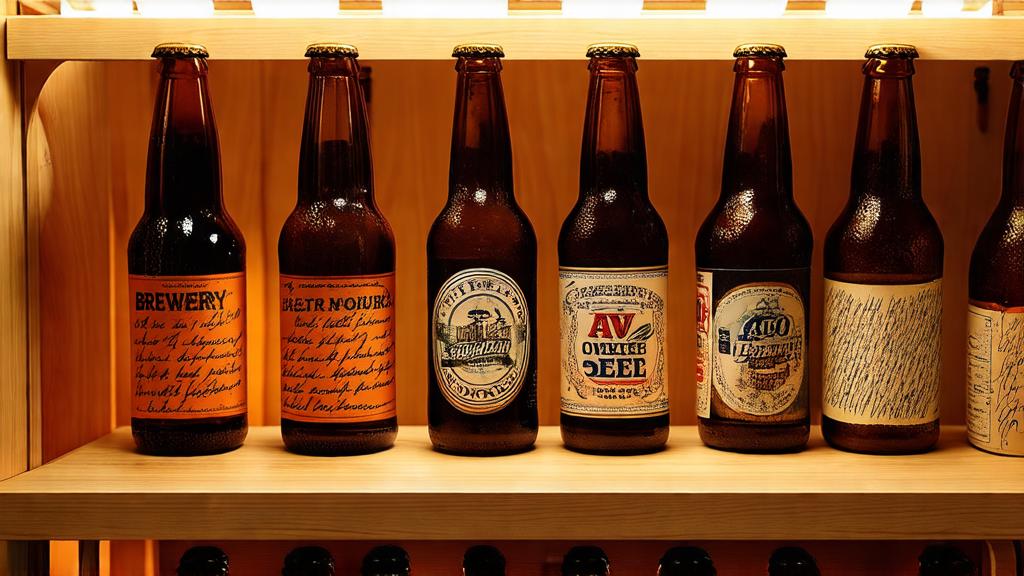
After six months, you’ll forget what’s in those bottles. Seriously.
Label every bottle with:
- Beer name
- Brewery or your name (if homebrewed)
- Vintage year (the year you bottled it, not brewed it)
- ABV
- Brief tasting note from when fresh (e.g., “Rich malt, peppery, 8.5%”)
- Your initials and date bottled
Use a label maker or handwrite on masking tape wrapped around the bottle’s neck. I keep a spreadsheet (honestly, a Google Sheet) that lists every bottle, including which bottles I’ve opened for vertical tastings. This connects directly to my practice of sensory analysis for homebrewers, where detailed notes become data.
Over time, this becomes a record of your tastings, your predictions (which ones improved?), and a map of your cellar’s evolution. I’ve tasted barleywines from 2015, 2018, and 2021 side-by-side and written detailed notes on how each aged differently. It’s become a discipline, almost scientific. And it’s deeply satisfying.
The Vertical Tasting: Opening Your Cellar
This is where cellaring becomes ceremony.
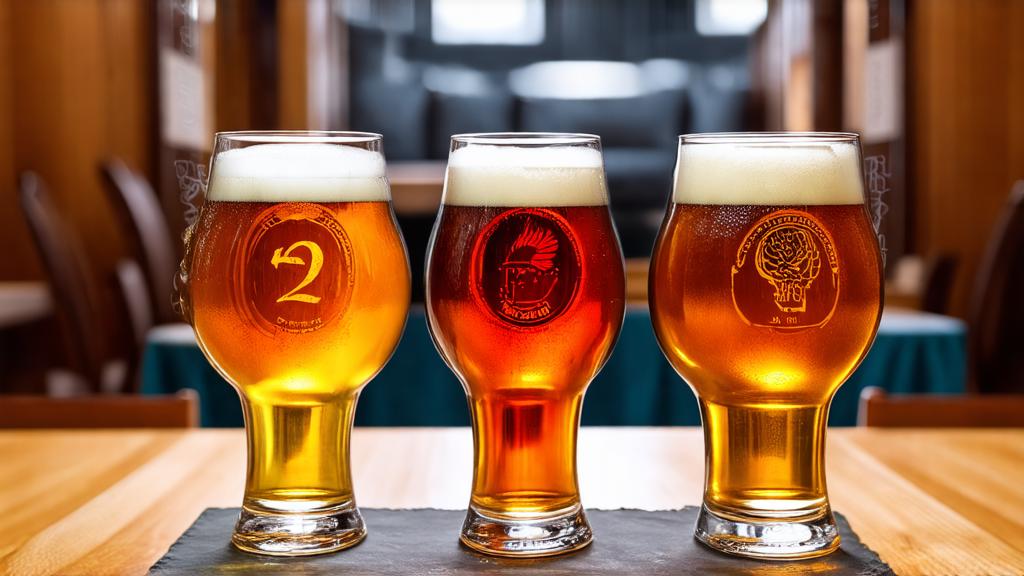
A “vertical tasting” means sampling the same beer across multiple vintages — 2018, 2020, 2022, for example — to watch how it’s evolved. It’s the whole point of cellaring.
Here’s how to do it properly:
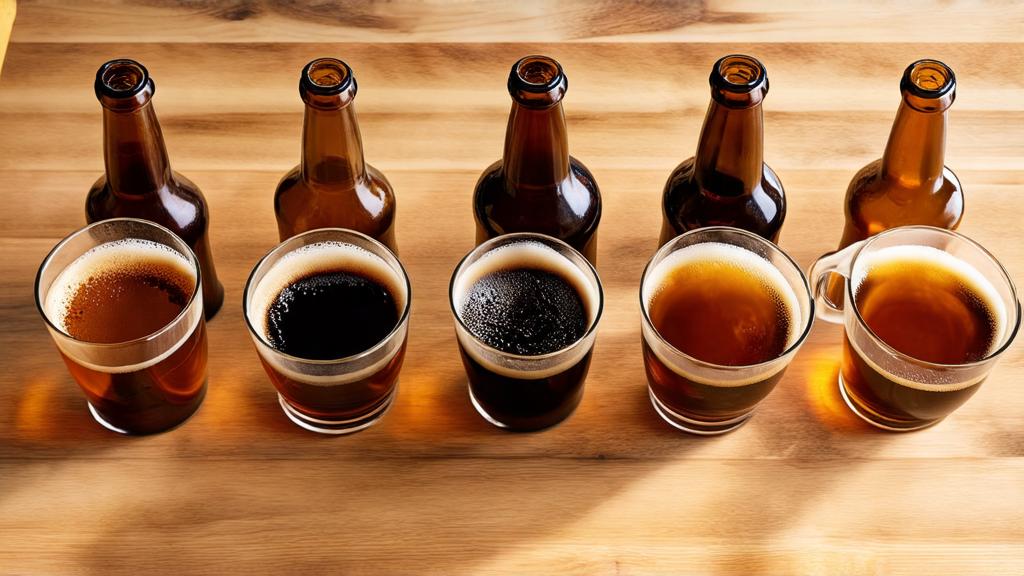
- Use clean glassware — ideally identical glasses so the colour comparison is accurate
- Pour in order from oldest to youngest — your palate needs to work up to higher alcohol
- Observe the colour progression — you’ll see a barleywine deepen from amber to copper to dark mahogany
- Note the aroma evolution — hops fade, malt deepens, alcohol mellows into sherry or fruit notes
- Taste side-by-side — compare them directly. The older beer’s smoothness versus the younger’s sharpness is dramatic
- Write it down — update your spreadsheet with detailed notes
I did this recently with a 2016 barleywine I’d brewed. Opened the 2016, 2019, and 2022 bottles in succession. The 2016 was like velvet — all malt sweetness, caramel, fig. The 2019 was a bridge, still showing some alcohol heat but with complex middle notes. The 2022 was sharp, harsh, exciting but unfinished. That progression is exactly what you’re building toward when you cellar.
Common Cellaring Mistakes (and How to Avoid Them)
1. Storing Upright When You Should Be Horizontal
Cork-sealed barleywines and strong ales need horizontal storage. The cork dries out if the beer isn’t touching it, and a dried cork lets oxygen slip in. This understanding is central to bottle conditioning best practices.
2. Temperature Fluctuation
Cycling between 40°F and 70°F is worse than staying at 65°F consistently. Expansion and contraction pump oxygen in and out of the bottle. Find the coolest, most stable place available.
3. Light Exposure
One sunny windowsill afternoon and your vintage beer tastes like skunk. Keep them dark, always.
4. Storing the Wrong Beers
A 2026 West Coast IPA will not improve. It will taste stale and bitter in two years. Be honest about what’s cellaring-worthy. If it’s not high-ABV and malt-forward, drink it fresh.
5. Opening Bottles at the Wrong Temperature
A 15-year barleywine deserves respect. Open it at around 55°F and let it warm up slowly in the glass. The flavour opens up more as temperature rises. Cold kills nuance.
Making the Long Game Worth It
Cellaring isn’t for impatience. It’s the opposite. It’s choosing to make something, set it aside, and trust that time will do the work. That’s profoundly different from modern life, which rewards speed and instant gratification.
I’ve been cellaring for a decade now, and my greatest reward isn’t opening a perfect 2016 barleywine. It’s the moment — usually five or six years in — when I open a bottle I’d almost forgotten about, and it tastes exactly like I hoped it would. Better, actually. Beer I made, beer I waited for, beer that became something more than its humble ingredients.
That’s why homebrewers cellar. Not to show off (though opening a 12-year-old homebrew for guests is pretty spectacular). We do it because it teaches patience. It teaches trust. It teaches that some of the best things in life can’t be rushed.
Start small. Brew a barleywine or imperial stout, bottle it properly, keep three bottles cool and dark. In five years, open one. See what it becomes. I think you’ll understand why I’ve dedicated a shelf — and a spreadsheet — to this beautiful, patient hobby.
🍺 Join the Brotherhood — Monthly brews, stories & monk wisdom
Subscribe for exclusive recipes, early brew logs, and behind-the-scenes updates straight to your inbox.