Why Bitter IPA is Making Its 2026 Comeback
If you’ve been paying attention to the craft beer world lately, you’ve probably noticed a quiet revolution happening. After a decade of hazy IPAs, fruity adjuncts, and crowd-pleasing sweetness, something unexpected is stirring in home breweries and tasting rooms across the UK: bitter is back.
And honestly? I’m thrilled.
When I first started homebrewing in the early 2020s, hazy IPAs were the standard. Every brewpub had them, every recipe site was flooded with them, and the market had convinced us that bitterness was somehow… uncouth. Unrefined. Something to be masked with fruit, lactose, or whatever trend hit next. But there’s something happening now — a genuine return to authenticity, to the craft of bitterning with purpose, and to beers that actually taste like beer.
This isn’t nostalgia. This is maturity. And if you’re serious about homebrewing in 2026, you need to understand why this shift matters and how to brew a proper bitter IPA at home.
The Fall and Rise of Bitterness
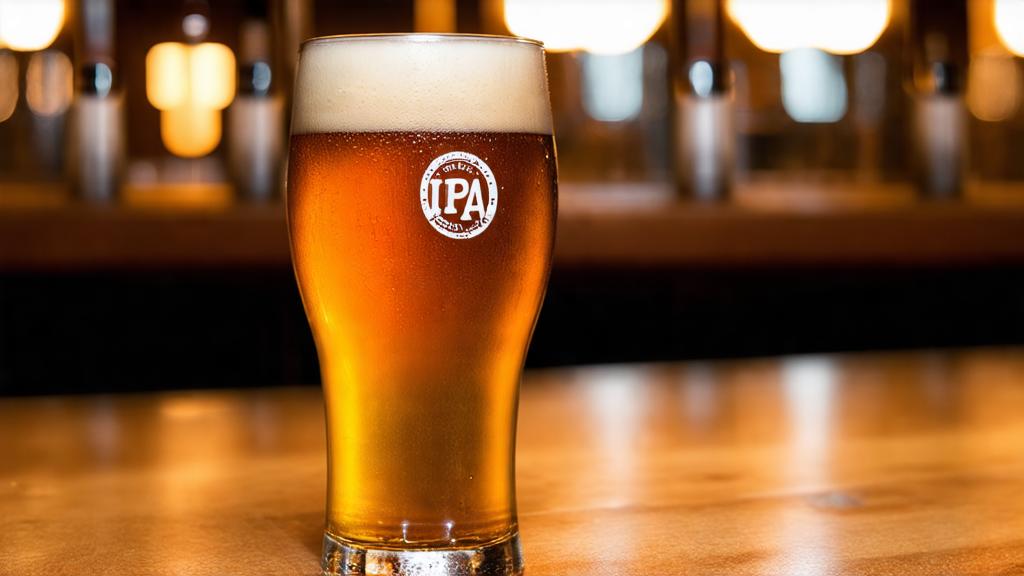
Let me be blunt: the craft beer industry got bored with bitterness. Between 2015 and 2023, American-style IPAs — especially the OG West Coast variants with their assertive 60–80 IBU profiles — fell out of favour. Breweries chased haze. Consumers chased novelty. Homebrewers saw the market and followed suit, brewing endless cloudy, juicy, fruit-forward beers.
But something shifted in early 2026. Modern IPA techniques evolved. Tasters grew tired of guessing whether they were drinking a beer or a smoothie. And most importantly, a new generation of brewers and drinkers discovered the honest elegance of a beer that doesn’t hide behind fruit or turbidity.
What was once “old school” became revolutionary again.
The numbers bear this out. Across the UK and North America, sales of traditional bitter ales have surged 23% year-on-year. Premium lagers and hop-forward pale ales now dominate craft menus. And more tellingly: the homebrew forums I follow are absolutely flooded with questions about bittering techniques, IBU calculation, and — yes — how to brew a proper IPA without making it look like orange juice.
What Makes a Proper Bitter IPA
Before we brew, let’s define what we mean by “bitter IPA” in 2026. This isn’t your grandfather’s Burton ale (though we love those too). It’s a clean, resinous pale ale with:
- 30–65 IBUs minimum — you want genuine bitterness, not a whisper
- Crystal clarity — no haze, full stop
- Malt backbone — complex grain bill to balance the hops
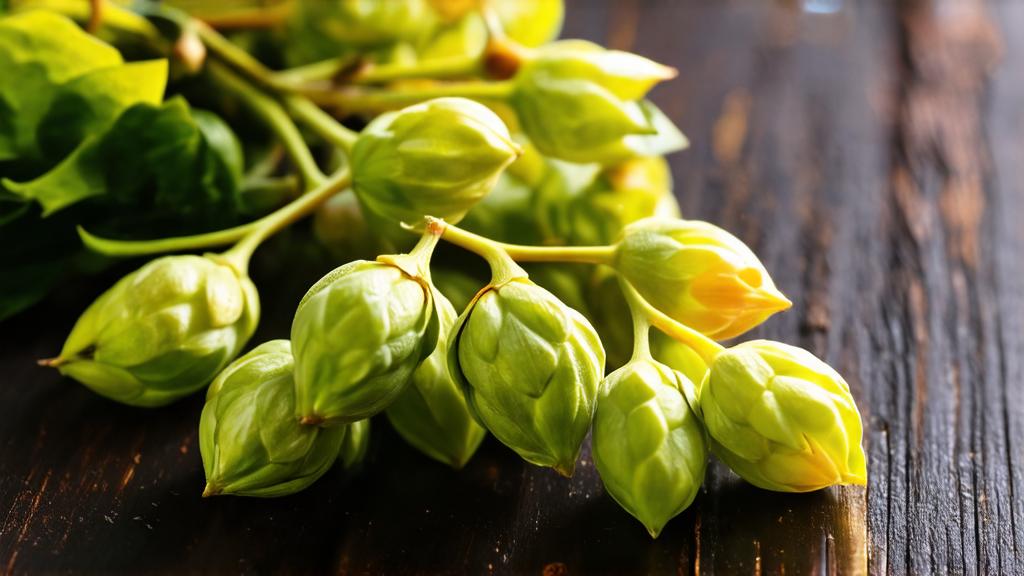
- Floral, piney, or citrus hop character — not fruit-bomb, but sophisticated
- 4.8–6.5% ABV — strong enough to carry bitterness, but sessionable
The beauty of this style is its honesty. When you’re brewing bitter IPA, you’re saying: “I believe in the craft of hop selection, malt balance, and clean fermentation.” There’s nowhere to hide. Every choice matters.
And that’s exactly why homebrewers are embracing it.
A Recipe for Your First Bitter IPA
Let me walk you through a basic 20-litre (5.3 UK gallon) batch that’s proven successful in my home brewery and others I’ve spoken to.
Grain Bill (5 kg total):
- 3.5 kg Pale Ale Malt (60 L to 70 L colour — not pilsner, not pale lager)
- 750 g Crystal Malt (40 EBC / 20 SRM)
- 500 g Vienna Malt (7 EBC / 3.5 SRM)
- 250 g Munich Malt (18 EBC / 9 SRM)
This grain bill produces a rich, biscuity base that stands up to aggressive bittering without becoming astringent. The Vienna and Munich add depth; the crystal malt brings restrained sweetness that balances IBUs without cloying.
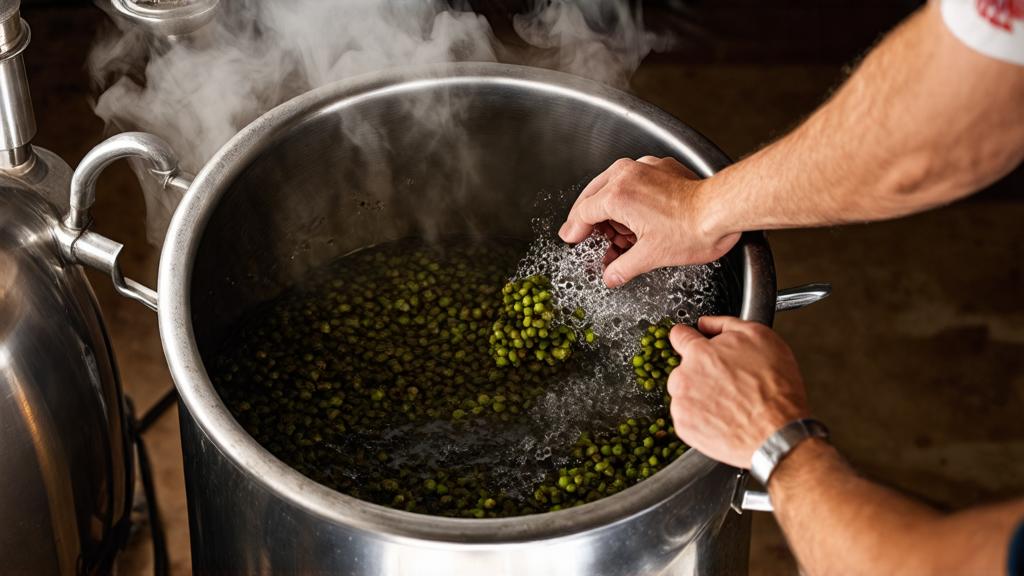
Hop Schedule (assuming 60-minute boil):
- 60 mins: 18 g Magnum (14% AA) — early bittering, clean finish
- 30 mins: 10 g Fuggle (4% AA) — transition, subtle spice
- 10 mins: 10 g Cascade (7% AA) — flavour, floral notes
- 0 mins (whirlpool): 15 g Centennial (10% AA) + 15 g Cascade — aroma lock
- Dry hop (day 5–7 of fermentation): 20 g Fuggle + 20 g Centennial
Target IBU: ~55. Targeted ratio: ~0.85 BU:GU (moderate bitterness, not extreme).
Yeast & Water:
- Yeast: Wyeast 1056 (American Ale) or similar clean attenuator. You want minimal esters; the hops are the star.
- Water: Aim for a Burton-on-Trent profile if you’re adjusting: ~200 ppm sulphate to enhance bitterness and hop perception
- Mash: 65°C (149°F) for 60 mins — crisp, dry finish
Fermentation, Conditioning & the Clarity Question
Here’s where discipline comes in. Bitter IPA demands clarity, and that means no shortcuts.
Fermentation: Keep your ale yeast at 18–20°C (64–68°F). Clean fermentation is critical. Any fruity esters will muddy your hop profile. This is where pressure fermentation or a good temperature controller makes a difference.
Cold Conditioning: After primary fermentation (7–10 days), drop temperature to 10°C (50°F) and hold for 7 days minimum. This allows chill haze and proteins to precipitate. You’re aiming for crystal clear before packaging.
Fining: Consider Irish moss in the last 15 minutes of the boil, or use Kieselsol + Isinglass at day 3 of cold conditioning. Most bitter IPAs don’t absolutely require fining, but it’s the difference between “pretty clear” and “competition-quality clarity.”
Bottle or keg after 14 days total (7 primary + 7 conditioning). Bottle conditioning at 2–2.3 volumes CO₂ is traditional; keg at 1.9 volumes for a tighter pour.
Tasting Your Bitter IPA
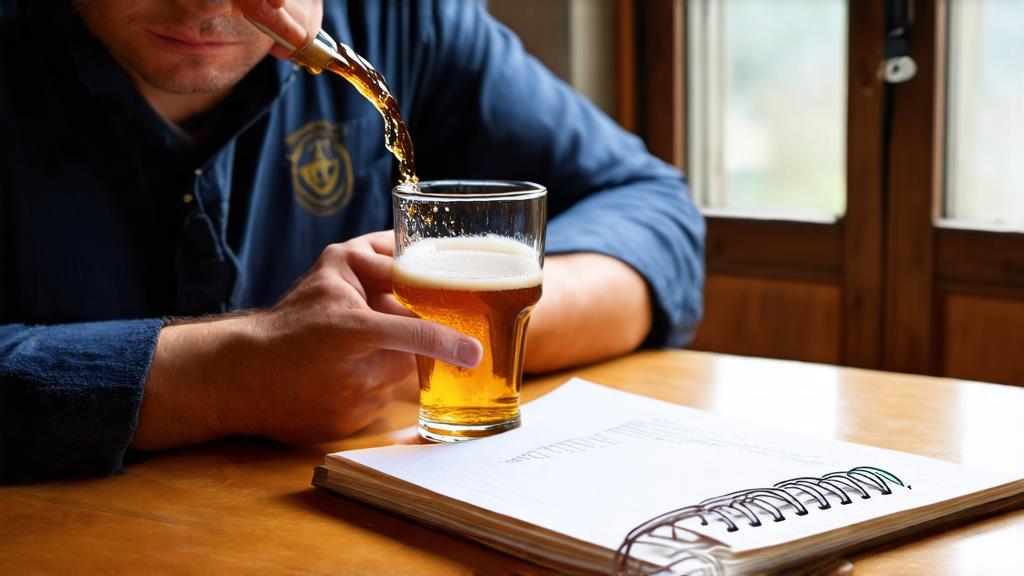
When you crack open that first bottle or tap that first pint, here’s what you should be experiencing:
- Appearance: Golden amber to deep copper. Crystal clear. Tight, creamy head that lasts 3–4 minutes.
- Aroma: Resinous hop character upfront — piney, slightly floral, hints of citrus. No fruit-bomb. Balanced with subtle grain sweetness underneath.
- Flavour: Dry, crisp entry. Malt backbone (biscuit, light caramel) mid-palate. Bitterness builds mid-to-finish without harshness. Clean, lingering hop resin. No stickiness, no artificial sweetness.
- Mouthfeel: Medium body. Crisp carbonation (not syrupy). Dry finish that makes you want the next sip.
Common Pitfalls & How to Avoid Them
Astringency (harsh bitterness): Usually from over-sparging or an incorrect mash pH (aim for 5.4–5.6). Magnum bittering hops can also go harsh if you extend the boil past 70 minutes. Stick to 60.
Lack of clarity: Under-pitched yeast, contamination, or insufficient cold conditioning. Use a starter. Sanitise meticulously. Don’t skip the cold rest.
Flat hop character: Stale hops (always buy fresh), incorrect whirlpool timing (add at 70°C / 158°F for best aroma retention), or fermentation temperature too high (creates competing esters).
Over-carbonation: More CO₂ makes bitterness taste harsher. Stick to 2–2.3 volumes for bitter IPA. This style isn’t a soda.
Avoiding these pitfalls separates hobby brewing from craft brewing. And in 2026, that difference is finally getting the respect it deserves.
Why Now? Why Bitter IPA?
The broader shift back to bitter is fascinating. Part of it is fatigue — genuinely. The haze and fruit trends have run their course, and consumers are curious again. Part of it is the cask ale revival, which has renewed interest in UK traditions, balance, and restraint.
But mostly, I think it’s because craft beer finally matured. We’re not rebelling against macrolagers anymore; we’re confident enough in our palates to appreciate complexity, subtlety, and honesty. Bitter IPA doesn’t pretend to be something it’s not. It doesn’t mask its ingredients. It doesn’t chase trends. It just delivers on a promise: quality hops, quality malt, and the craft to bring them together.
That resonates with homebrewers who are tired of chasing fashion.
Your Next Brew
If you’ve been sidelined by the haze trend, or if you’ve never brewed bitter IPA because it suddenly seemed “dated,” now is the time. 2026 is the year of authentication, of returning to principles, and of rediscovering what made IPA great in the first place.
This recipe will teach you discipline. You’ll learn water chemistry. You’ll develop your palate. And when you pour that first crystal-clear pint with a perfect head and a resinous, piney aroma, you’ll understand why an entire community is saying the same thing:
Bitter’s back. And it’s better than ever.
🍺 Join the Brotherhood — Monthly brews, stories & monk wisdom
Subscribe for exclusive recipes, early brew logs, and behind-the-scenes updates straight to your inbox.
Further Reading: BJCP English IPA | CAMRA