Black Pilsner Mastery: Brewing Crisp Dark Lagers at Home in 2026
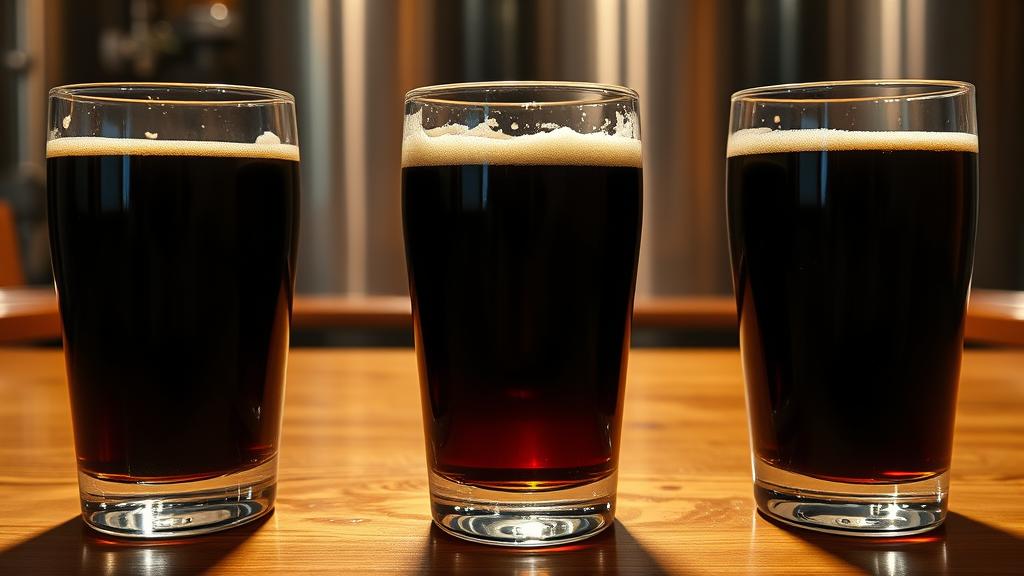
If you’ve been following craft beer trends closely, you’ve probably noticed something curious creeping onto bar menus and brewery tap lists: pilsners that are… black. Not stout-black. Not porter-black. But a deep, glossy amber-to-black that catches light like dark honey, topped with a pillowy white head that refuses to quit.
This isn’t a gimmick. It’s Schwarzpilsner — a German style that’s been quietly brewing for decades but is having its moment in 2026. And unlike many trending styles that fade as quickly as they arrive, this one has staying power because it solves a problem every serious homebrewer faces: how do you brew something bold enough to be interesting but crisp enough to be drinkable?
I’ve been experimenting with black pilsner for three batches now, and I want to walk you through everything — the why, the how, and the honest reality of whether it actually works.
Why Black Pilsner Matters in 2026
Here’s the thing about beer trends: they don’t happen in a vacuum. They emerge because something shifts in what people actually want to drink.
For the past five years, homebrewing has been locked in a cycle of more, more, more. Bigger IPAs. Fruitier sours. More adjuncts. More adjuncts layered on top of other adjuncts. It’s been glorious fun, but it’s also exhausting. A growing number of brewers — myself included — started feeling like the pendulum had swung too far in the direction of “maximum flavour, maximum complexity.”
Enter the lager renaissance. 2026 is genuinely the year of premium lagers, and within that category, breweries and homebrewers are exploring every dimension of the style. Standard pilsners. Pilsners with noble hops. Pilsners with lager yeast variation. And black pilsner — a version that gives you the darkness and malt complexity you crave without sacrificing the crisp, dry finish that makes pilsners so crushable.
For homebrewers, this is revolutionary. You get complexity without sacrificing approachability. You get visual drama without gimmickry.

Understanding Schwarzpilsner Style
Let’s be clear about what we’re actually brewing here. Black pilsner isn’t a dark lager masquerading as a pilsner. It’s a pilsner first — defined by its crisp, clean, dry finish — with the colour and subtle roast complexity of dark malts integrated into that framework.
Style guidelines (via BJCP) slot this under German Pilsner variants, typically sitting at:
- ABV: 4.5–5.5% (solid drinking beer, not a sipper)
- IBUs: 20–40 (moderate bitterness, balanced)
- Colour: 17–30 SRM (where the magic happens — deep amber to black)
- Finish: Bone-dry, crisp, clean. No sweetness. No roasted heaviness.
The trick is balancing two competing demands: dark malt character without the astringency or heaviness that normally comes with roasted grains. This is where ingredient selection and technique matter enormously.
Ingredients & Equipment
For a 20-litre (5.3 US gallon) batch:
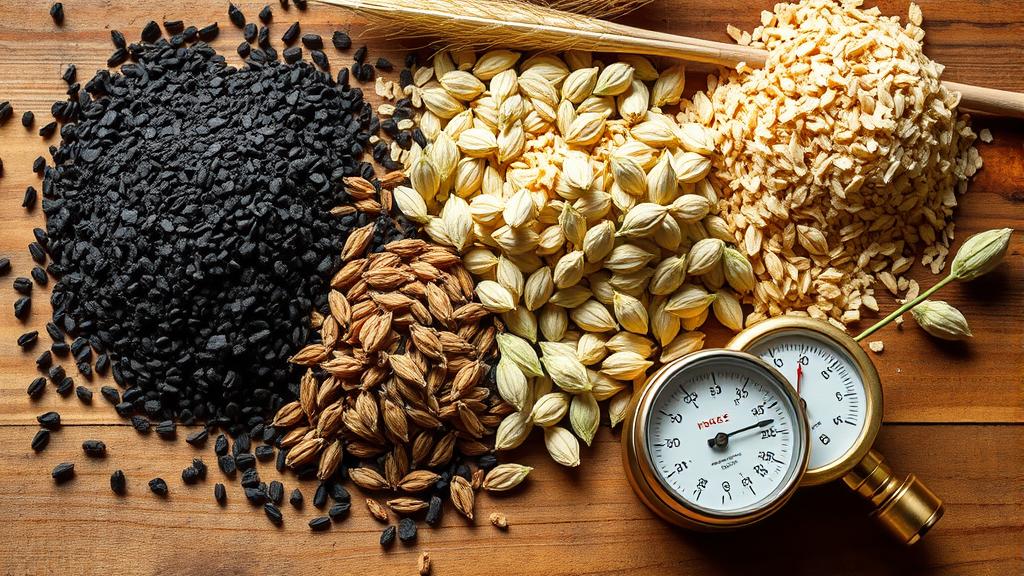
Grain Bill
- 3.5 kg (7.7 lbs) Pilsner Malt: Base malt. Use a quality continental pilsner — Dingemans or Weyermann work brilliantly.
- 500 g (1.1 lbs) Dark Crystal Malt (120 EBC): Adds colour and subtle sweetness without harshness.
- 250 g (0.55 lbs) Carafa Special III: German dehusked black malt. This is critical — dehusked malts lack the astringency that ruins black beers. Don’t skip this step or substitute with English black malt.
- 100 g (0.22 lbs) Chocolate Malt: Minimal amount for subtle roast complexity.
Hops
- 20 g Tettnang (60 min): German noble hop. Provides clean, floral bittering. Target 25–30 IBUs.
- 10 g Hallertau (10 min): Subtle spice, herbal notes in the finish.
Yeast
SafLager W-34/70 or Wyeast 2308 Munich Lager — both are versatile, clean lager yeasts that won’t introduce off-flavours. Pitch at 1 million cells per ml of wort per degree Plato.
Water
Schwarzpilsner benefits from slightly elevated sulphate (like a Burton water profile). Understanding Burton water chemistry will help you dial in the crispness. Target:
- Calcium: 200–250 ppm
- Sulphate: 300–400 ppm
- Chloride: 50–100 ppm
Equipment Notes
You’ll need standard all-grain equipment, but temperature control is non-negotiable for lager brewing. A fermentation fridge or temperature-controlled chamber is essential. Lagers demand precision in ways ales don’t.
Step-by-Step Brew Day
- Mash In (66°C / 151°F): Strike your water to 66°C and add grain. You’re aiming for a thin infusion. Black pilsner’s colour comes from dark malts, not from mash temperature, so a single-step mash works fine. Hold for 60 minutes.
- Mash Out (77°C / 170°F): Raise to 77°C and hold 10 minutes to stop enzyme action.
- Lautering: Sparge with water at 77°C until you’ve collected 25 litres of wort at your target gravity (around 1.050).
- Boil: 90-minute boil. Add Tettnang at 60 minutes (bittering). Add Hallertau at 10 minutes (finish). No whirlpool — keep it clean and simple. Chill rapidly to 10°C (50°F).
- Pitch Yeast: Aerate thoroughly (oxygen is critical for lager yeast). Pitch your prepared lager culture. Initial fermentation temperature: 10°C.

Fermentation & Conditioning
This is where black pilsner separates itself from amateurs and pros.
Primary Fermentation (Days 1–10): Start at 10°C. Raise 1°C per day until you reach 12°C by day 3. Hold at 12°C for the remaining primary. Lager yeast is slow — don’t panic if it takes 12–14 days to finish (gravity should be stable around 1.010–1.012).
Diacetyl Rest (Days 11–14): Raise temperature to 16°C for 3–4 days. This allows the yeast to reabsorb diacetyl (butter character) that developed during cold fermentation. This step is essential for clean flavour.
Cold Conditioning (Weeks 3–6): Drop to 2–4°C and hold. Lagers demand time. Pressure fermentation techniques can speed this up, but traditional lagering is worth it here. Six weeks is standard; eight weeks is better. The cold allows yeast and proteins to drop out, and gives the flavour profile time to mellow and integrate.
Tasting Notes & My Honest Review
After three batches, here’s what I’ve learned.
Batch 1 (Rushed conditioning, 3 weeks): A mess. Diacetyl like a cinema popcorn machine. The colour was gorgeous, but the flavour profile was muddled — too much roast bite, no integration. I learned my lesson immediately.
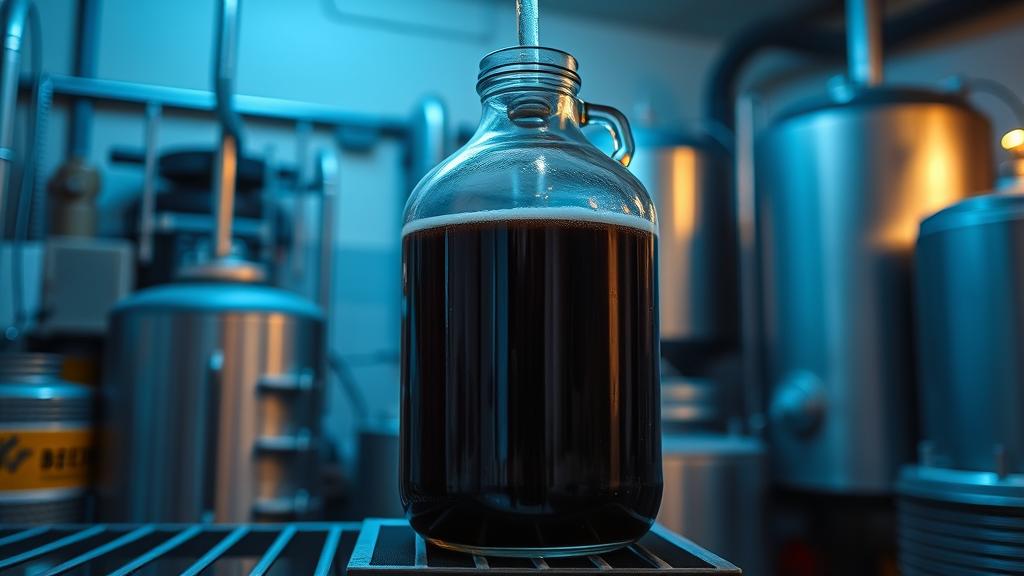
Batch 2 (Proper lagering, 8 weeks): Night and day. The colour remains deep and inviting. The first sip hits with clean, crisp pilsner character — noble hops, slight herbal finish. Then comes the dark malt — not aggressive, but present. Subtle roast, hint of chocolate without sweetness. The finish is dry, almost austere. It’s a beer that makes you take another sip to understand what you just tasted.
Batch 3 (Alternative yeast, Munich Lager): Slightly fuller body, marginally more malt complexity, but honestly — W-34/70 was cleaner. Stick with it unless you prefer a softer finish.
The honest reality: black pilsner won’t excite everyone. It’s not a showoff beer. It’s a thinking beer. It’s the kind of thing you pour for someone and watch their expression shift from confusion to understanding.
Pro Tips & Common Mistakes
Do This
- Use dehusked black malts. Carafa Special III or Midnight Wheat. Regular black malt will make your beer astringent and unpleasant.
- Don’t skip the diacetyl rest. Lagers demand it. Non-negotiable.
- Lager properly. Eight weeks at 2–4°C. No shortcuts. The flavour integration is everything.
- Manage water chemistry. Water profile mastery makes the difference between a good black pilsner and an excellent one.
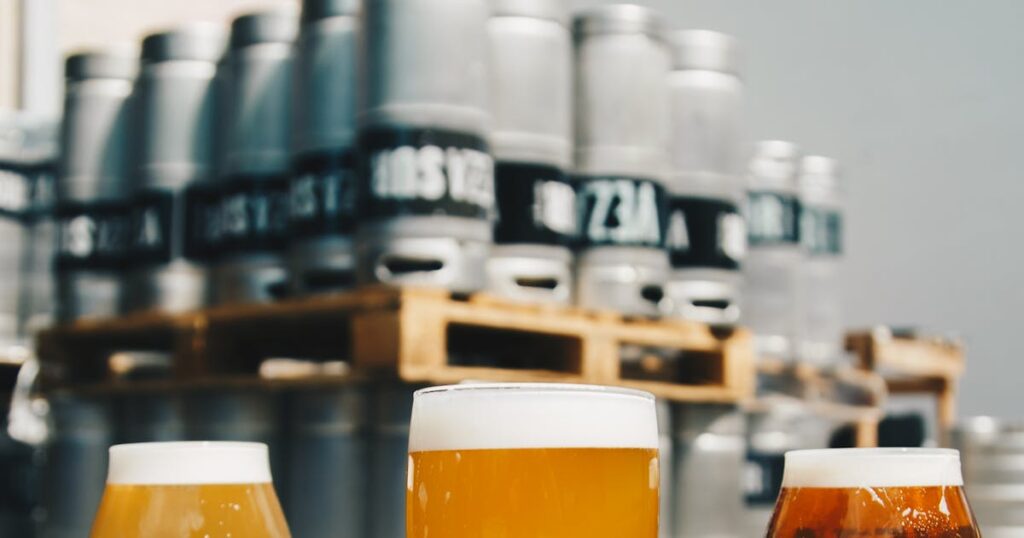
- Taste comparatively. Arrange a beer flight with a standard pilsner alongside your black pilsner to appreciate the subtlety of what you’ve made.
Don’t Do This
- Don’t overdo dark malts. More isn’t better. 350–400g total is the sweet spot. Go over 500g and you’ll lose pilsner character entirely.
- Don’t ferment warm. Lagers fermented at ale temperatures taste like confused ales. Keep it cold.
- Don’t use English dark malts. They’re designed for bitterness and harsh character. German dehusked malts are gentler and more appropriate.
- Don’t package too early. A black pilsner that’s been cold-conditioned properly will clear naturally. Rushing this ruins the visual appeal.
Variations & Next-Level Experiments
Once you’ve nailed the basic recipe, there’s room to play:
- Spelt or rye addition: Substitute 10% of the pilsner malt with spelt or rye for a slightly herbaceous, complex edge. Emerging styles favour grain diversity, and schwarzpilsner takes this well.
- Higher ABV version: Push to 6–7% by adding more pilsner malt. The drinker has no idea it’s stronger until the second glass.
- Noble hop rotation: Experiment with Saaz or Spalt instead of Hallertau for different finish character.
- Cold infusion: After cold conditioning, try infusing 20g of cold-steeped spruce tips for a subtle herbal complexity.
Conclusion
Black pilsner isn’t a novelty. It’s a mature beer style that deserves serious attention from homebrewers who want complexity and crispness in the same glass. It demands patience — eight weeks of proper lagering isn’t a suggestion, it’s a requirement. But the payoff is a beer that surprises people, challenges assumptions about what a dark beer can be, and proves that craft brewing in 2026 is about subtlety as much as boldness.
If you’ve been intimidated by lager brewing, schwarzpilsner is actually a good entry point because the dark malts provide some forgiveness for minor temperature fluctuations. Start with the recipe above, commit to the timing, and taste the difference proper technique makes.
I’d love to hear about your results. Send me notes from your first black pilsner batch — what worked, what didn’t, whether the two-month wait felt worth it.
🍺 Join the Brotherhood — Monthly brews, stories & monk wisdom
Subscribe for exclusive recipes, early brew logs, and behind-the-scenes updates straight to your inbox.